
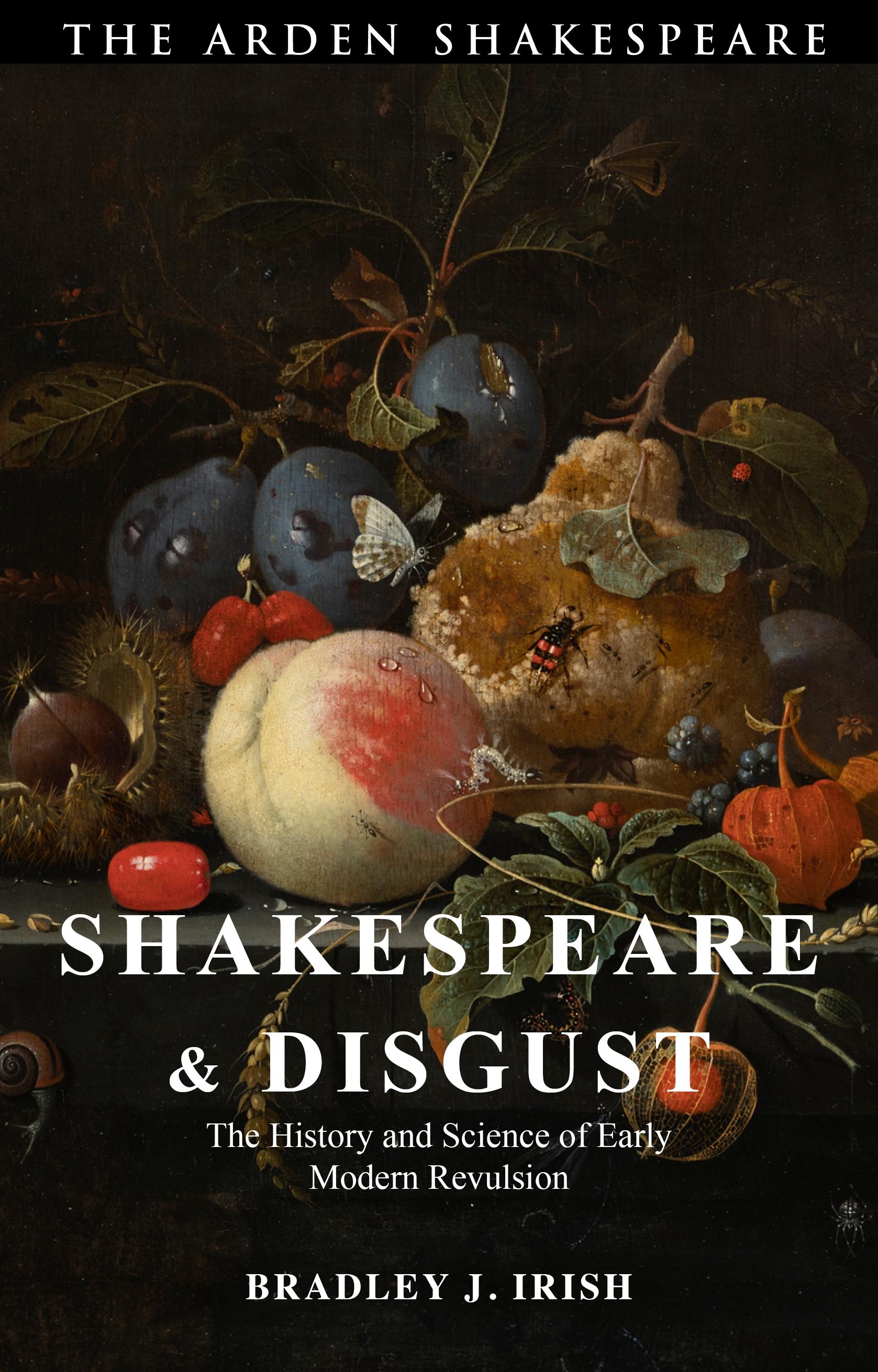
Drawing on both historical analysis and theories from the modern affective sciences, Shakespeare and Disgust argues that the experience of revulsion is one of Shakespeare's central dramatic concerns. Known as the 'gatekeeper emotion', disgust is the affective process through which humans protect the boundaries of their physical bodies from material contaminants and their social bodies from moral contaminants. Accordingly, the emotion provided Shakespeare with a master category of compositional tools – poetic images, thematic considerations and narrative possibilities – to interrogate the violation and preservation of such boundaries, whether in the form of compromised bodies, compromised moral actors or compromised social orders.
Designed to offer both focused readings and birds-eye coverage, this volume alternates between chapters devoted to the sustained analysis of revulsion in specific plays (Titus Andronicus, Timon of Athens, Coriolanus, Othello and Hamlet) and chapters presenting a general overview of Shakespeare's engagement with certain kinds of prototypical disgust elicitors, including food, disease, bodily violation, race and sex disgust. Disgust, the book argues, is one of the central engines of human behaviour – and, somewhat surprisingly, it must be seen as a centrepiece of Shakespeare's affective universe.
Designed to offer both focused readings and birds-eye coverage, this volume alternates between chapters devoted to the sustained analysis of revulsion in specific plays (Titus Andronicus, Timon of Athens, Coriolanus, Othello and Hamlet) and chapters presenting a general overview of Shakespeare's engagement with certain kinds of prototypical disgust elicitors, including food, disease, bodily violation, race and sex disgust. Disgust, the book argues, is one of the central engines of human behaviour – and, somewhat surprisingly, it must be seen as a centrepiece of Shakespeare's affective universe.
Pay easily by card, Klarna, Apple Pay or Google Pay. Not happy? You always have a 14-day money-back guarantee. Read more in our terms. If you have any questions, email us at hello@memmo.org.
Memmo makes studying easier – wherever you are in the world. We bring your course books and smart study tools together in one place: summaries, quizzes, podcasts and flashcards. Plus Ted, your study buddy who answers anything you wonder. Over 50,000 students already study here – built to help you learn faster and stress less.