
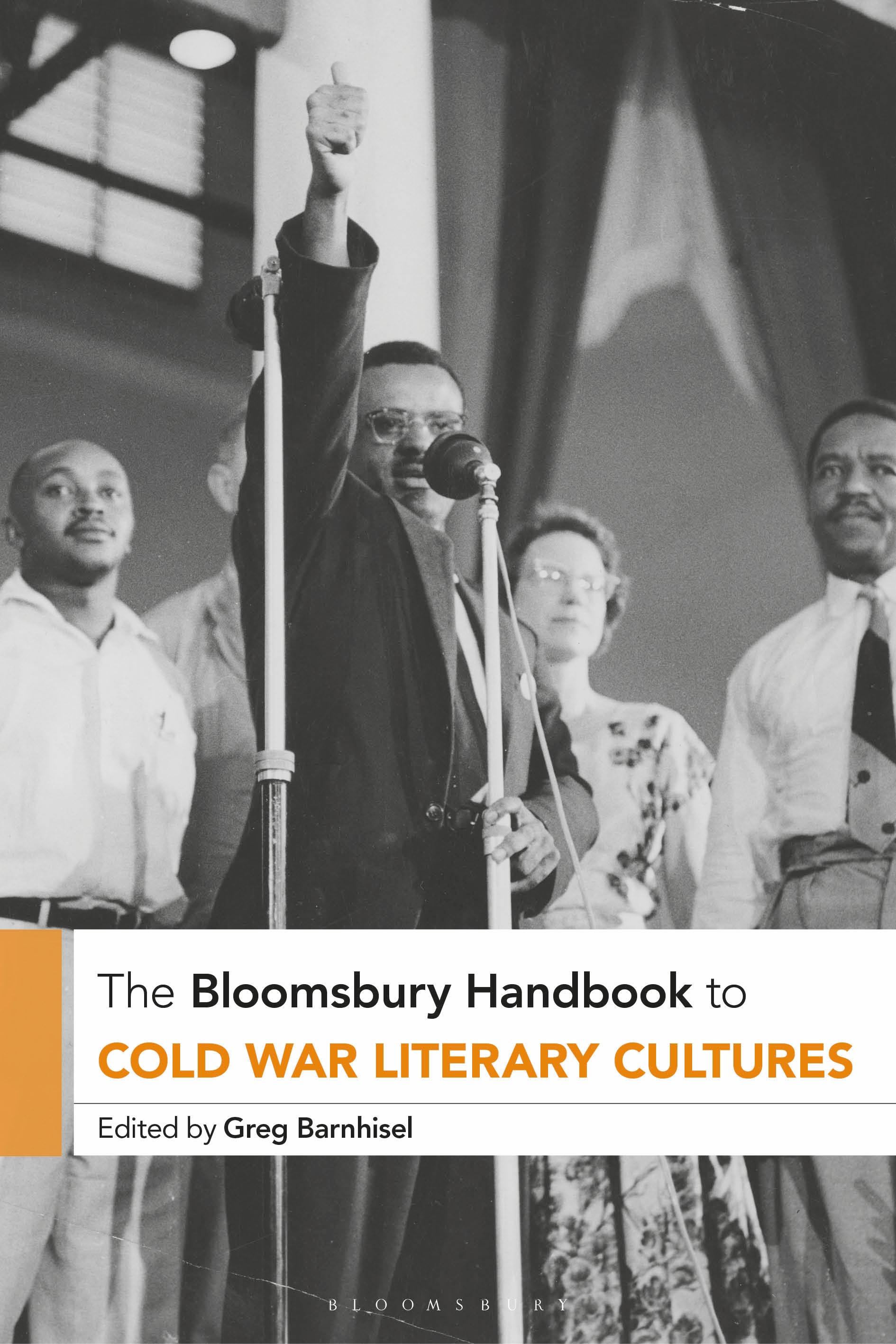
Adopting a unique historical approach to its subject and with a particular focus on the institutions involved in the creation, dissemination, and reception of literature, this handbook surveys the way in which the Cold War shaped literature and literary production, and how literature affected the course of the Cold War. To do so, in addition to more 'traditional' sources it uses institutions like MFA programs, university literature departments, book-review sections of newspapers, publishing houses, non-governmental cultural agencies, libraries, and literary magazines as a way to understand works of the period differently.
Broad in both their geographical range and the range of writers they cover, the book's essays examine works of mainstream American literary fiction from writers such as Roth, Updike and Faulkner, as well as moving beyond the U.S. and the U.K. to detail how writers and readers from countries including, but not limited to, Taiwan, Japan, Uganda, South Africa, India, Cuba, the USSR, and the Czech Republic engaged with and contributed to Anglo-American literary texts and institutions.
Pay easily by card, Klarna, Apple Pay or Google Pay. Not happy? You always have a 14-day money-back guarantee. Read more in our terms. If you have any questions, email us at hello@memmo.org.
Memmo makes studying easier – wherever you are in the world. We bring your course books and smart study tools together in one place: summaries, quizzes, podcasts and flashcards. Plus Ted, your study buddy who answers anything you wonder. Over 50,000 students already study here – built to help you learn faster and stress less.