
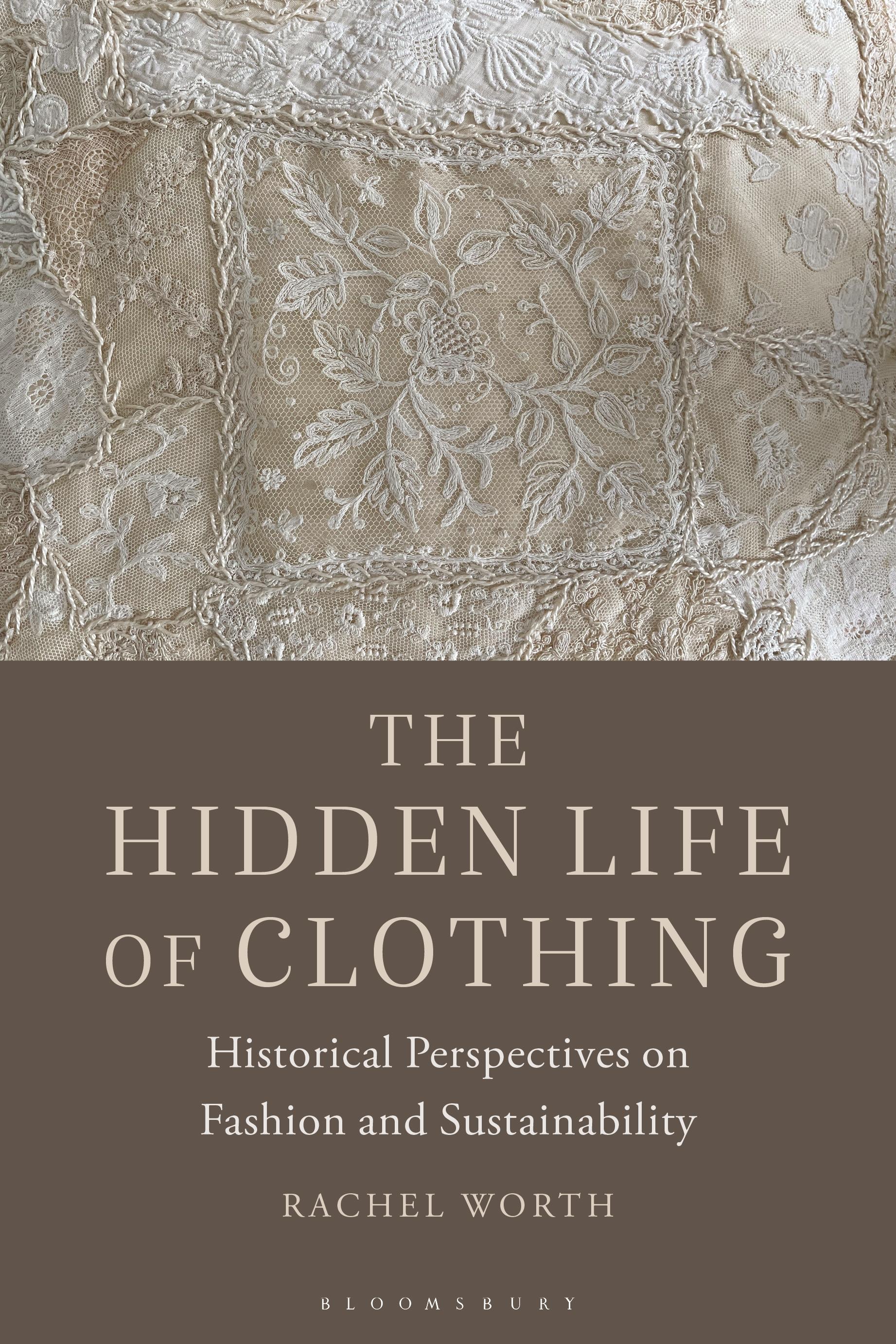
Since the democratisation of the clothing industry in the early 19th century, buyers have become increasingly disconnected from the creative and human aspects of the production of clothing. Arguably clothing is now valued less for its aesthetic qualities or because of the hours spent in its making, but more for the extent to which it serves current 'fashion'.
In a climate of increasing anxiety about the environmental and social impact of the contemporary global fashion industry, Rachel Worth suggests that, rather than seeking solutions only in the present, looking to history can assist in understanding better the challenges consumers face today in making decisions about the contents of their wardrobes, which, in turn, will impact on the nature of the future global fashion industry. She does not seek to offer simplistic historical solutions to contemporary problems, but explores ways in which it might be possible to bridge divides between knowledge of the past, current individual choice, and possible directions for future action.
The more we know about our clothes, the less likely it is that we will wear an item of clothing only a few times before replenishing it with newer purchases that are 'on trend'. By taking ownership of our personal clothing choices rather than feeling pressurised to respond to sophisticated marketing and to 'influencers', this book suggests how we might rethink our wardrobes in philosophical and practical ways in order to create a sense of order and beauty in our lives and to wrest control back from the increasing chaos of seemingly endless choice that perpetuates unsustainable, impersonal and fast fashion.
In a climate of increasing anxiety about the environmental and social impact of the contemporary global fashion industry, Rachel Worth suggests that, rather than seeking solutions only in the present, looking to history can assist in understanding better the challenges consumers face today in making decisions about the contents of their wardrobes, which, in turn, will impact on the nature of the future global fashion industry. She does not seek to offer simplistic historical solutions to contemporary problems, but explores ways in which it might be possible to bridge divides between knowledge of the past, current individual choice, and possible directions for future action.
The more we know about our clothes, the less likely it is that we will wear an item of clothing only a few times before replenishing it with newer purchases that are 'on trend'. By taking ownership of our personal clothing choices rather than feeling pressurised to respond to sophisticated marketing and to 'influencers', this book suggests how we might rethink our wardrobes in philosophical and practical ways in order to create a sense of order and beauty in our lives and to wrest control back from the increasing chaos of seemingly endless choice that perpetuates unsustainable, impersonal and fast fashion.
Pages: 216
Category: Kultur-, Genus- & Postkoloniala studier
e-ISBN: 9781350180956
Shipping weight: 1.2 kg
Ships in: 1-2 days
Pay easily by card, Klarna, Apple Pay or Google Pay. Not happy? You always have a 14-day money-back guarantee. Read more in our terms. If you have any questions, email us at hello@memmo.org.
Memmo makes studying easier – wherever you are in the world. We bring your course books and smart study tools together in one place: summaries, quizzes, podcasts and flashcards. Plus Ted, your study buddy who answers anything you wonder. Over 50,000 students already study here – built to help you learn faster and stress less.