
Shortlisted for the Association of Dress Historians Book of the Year Award, 2024
In 2022, it was reported that plus-sizes accounted for nearly twenty percent of all women's apparel sales in the United States and was one of the industry's few growth sectors. For many, this news seemed to herald a remarkably inclusive turn for an industry that long bartered in exclusivity. Yet the recent success of plus-size fashion obscures a rather complicated history–one that can be traced back over a century, and which illuminates the fraught relationship between fashion, fat, and weight bias in American culture.
Although many regard fat as a malady of the present, in the early twentieth century it was estimated that more than one-third of American women classified as “overweight.” While modern weight bias had yet to fully cement itself in the American imaginary, the limitations of mass garment manufacturing coupled with the ascendent slender beauty ideal had already relegated larger women to fashion's peripheries. By 1915, however, fashion forecasters predicted that so-called “stoutwear” was well positioned to become one of the most lucrative subsectors of the burgeoning ready-to-wear trade. In the years that followed, stoutwear manufacturers set out to create more space for the fat woman in fashion but, in doing so, revealed an ancillary motivation: that of how to design fat out of existence altogether.
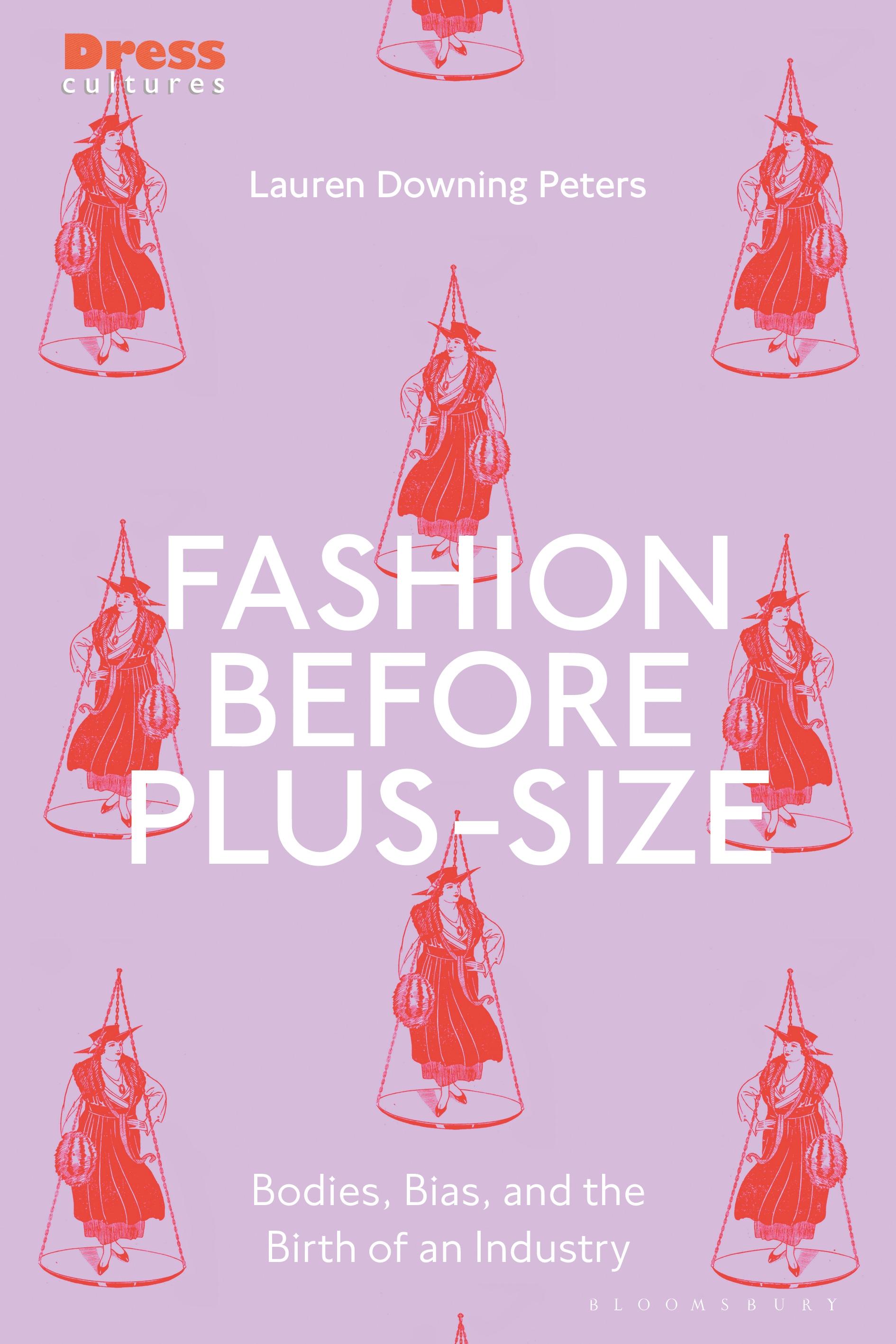
Fashion Before Plus-Size considers what came “before” plus-size fashion while also shedding new light on the ways that the fashion industry not only perpetuates but produces weight bias. By situating stoutwear at the confluence of mass manufacturing, beauty ideals, standardized sizing, health discourse, and consumer culture, this book exposes the flawed foundations upon which the contemporary plus-size fashion industry has been built.
In 2022, it was reported that plus-sizes accounted for nearly twenty percent of all women's apparel sales in the United States and was one of the industry's few growth sectors. For many, this news seemed to herald a remarkably inclusive turn for an industry that long bartered in exclusivity. Yet the recent success of plus-size fashion obscures a rather complicated history–one that can be traced back over a century, and which illuminates the fraught relationship between fashion, fat, and weight bias in American culture.
Although many regard fat as a malady of the present, in the early twentieth century it was estimated that more than one-third of American women classified as “overweight.” While modern weight bias had yet to fully cement itself in the American imaginary, the limitations of mass garment manufacturing coupled with the ascendent slender beauty ideal had already relegated larger women to fashion's peripheries. By 1915, however, fashion forecasters predicted that so-called “stoutwear” was well positioned to become one of the most lucrative subsectors of the burgeoning ready-to-wear trade. In the years that followed, stoutwear manufacturers set out to create more space for the fat woman in fashion but, in doing so, revealed an ancillary motivation: that of how to design fat out of existence altogether.
Fashion Before Plus-Size considers what came “before” plus-size fashion while also shedding new light on the ways that the fashion industry not only perpetuates but produces weight bias. By situating stoutwear at the confluence of mass manufacturing, beauty ideals, standardized sizing, health discourse, and consumer culture, this book exposes the flawed foundations upon which the contemporary plus-size fashion industry has been built.
Pages: 216
Category: Kultur-, Genus- & Postkoloniala studier
e-ISBN: 9781350172562
Shipping weight: 1.2 kg
Ships in: 1-2 days
Pay easily by card, Klarna, Apple Pay or Google Pay. Not happy? You always have a 14-day money-back guarantee. Read more in our terms. If you have any questions, email us at hello@memmo.org.
Memmo makes studying easier – wherever you are in the world. We bring your course books and smart study tools together in one place: summaries, quizzes, podcasts and flashcards. Plus Ted, your study buddy who answers anything you wonder. Over 50,000 students already study here – built to help you learn faster and stress less.