
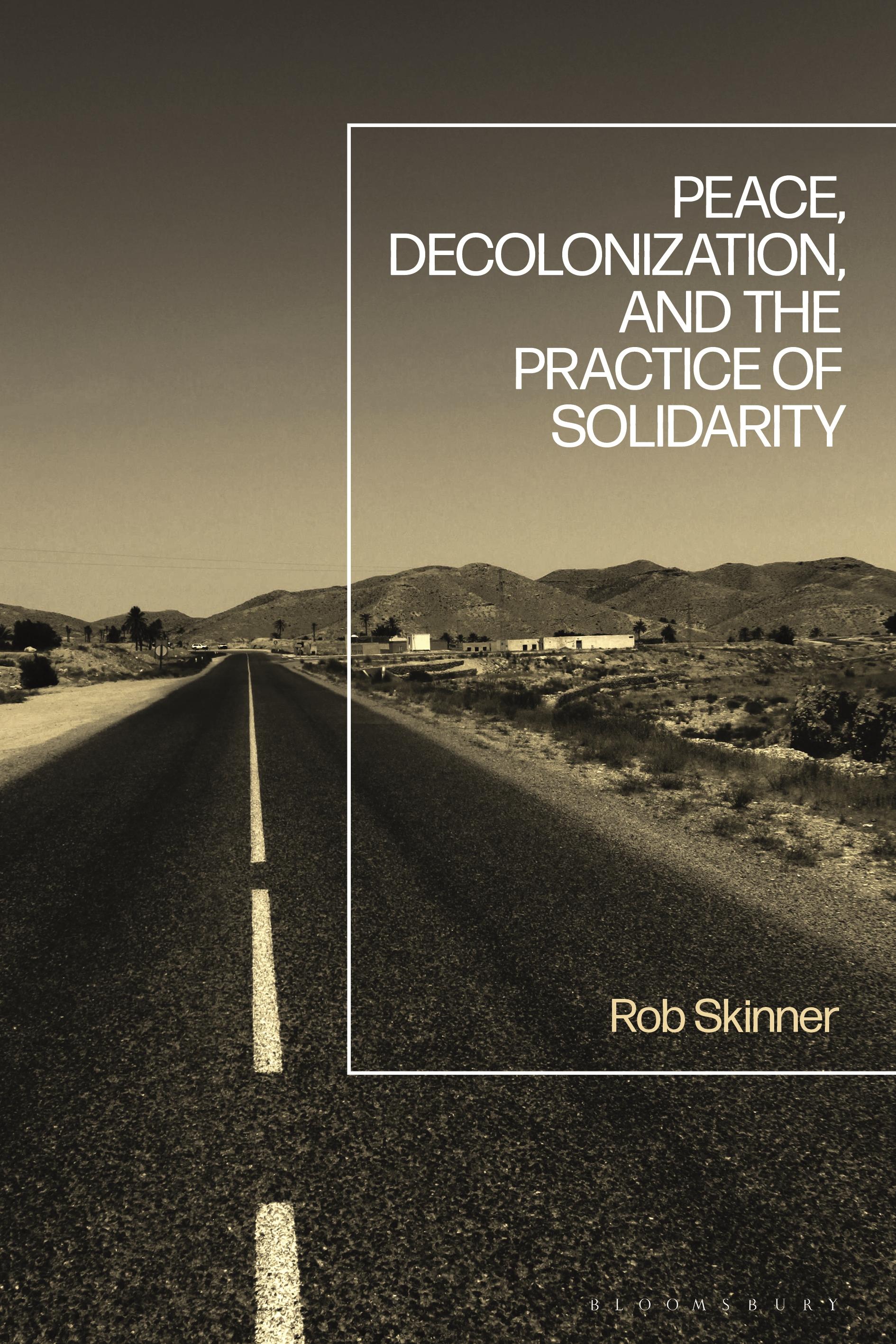
This book shows that the connected histories of decolonization and globalization concern the practices of individuals and movements as much as they do the ideologies of states, institutions and organizations. Viewing decolonization through non-state activist practices, and setting anti-colonial solidarity in the context of the methods of contemporary global peace movements, it argues that seemingly marginal histories can illuminate aspects of the end of empire that are not readily apparent in studies centred on state diplomacy and nationalist movements.
Focusing on a group of British and American activists, including the pacifist campaigner A.J. Muste, the anti-apartheid priest Michael Scott and the civil rights organiser Bayard Rustin, Skinner explores connected global histories of anti-nuclear peace campaigns, anti-colonialism and decolonization to illuminate new perspectives on the end of empire and the Cold War.
Studying a failed attempt to infiltrate the French atom bomb test site in southern Algeria, and a mass march across the border between Tanganyika and Northern Rhodesia that never took place, these stories provide valuable insights into the interactions between local and global scales of historical experience.
In presenting these histories, this book demonstrates how global and transnational histories can challenge and disrupt, rather than reinforce hierarchies of power and privileges. In doing so, it also contributes to ongoing debates surrounding the nature of decolonization as a historical phenomenon by focusing on the practices of activism that shaped - and were shaped by – the political and intellectual structures of decolonization.
Focusing on a group of British and American activists, including the pacifist campaigner A.J. Muste, the anti-apartheid priest Michael Scott and the civil rights organiser Bayard Rustin, Skinner explores connected global histories of anti-nuclear peace campaigns, anti-colonialism and decolonization to illuminate new perspectives on the end of empire and the Cold War.
Studying a failed attempt to infiltrate the French atom bomb test site in southern Algeria, and a mass march across the border between Tanganyika and Northern Rhodesia that never took place, these stories provide valuable insights into the interactions between local and global scales of historical experience.
In presenting these histories, this book demonstrates how global and transnational histories can challenge and disrupt, rather than reinforce hierarchies of power and privileges. In doing so, it also contributes to ongoing debates surrounding the nature of decolonization as a historical phenomenon by focusing on the practices of activism that shaped - and were shaped by – the political and intellectual structures of decolonization.
Pages: 248
Category: Kultur-, Genus- & Postkoloniala studier
e-ISBN: 9781350159792
Shipping weight: 1.2 kg
Ships in: 1-2 days
Pay easily by card, Klarna, Apple Pay or Google Pay. Not happy? You always have a 14-day money-back guarantee. Read more in our terms. If you have any questions, email us at hello@memmo.org.
Memmo makes studying easier – wherever you are in the world. We bring your course books and smart study tools together in one place: summaries, quizzes, podcasts and flashcards. Plus Ted, your study buddy who answers anything you wonder. Over 50,000 students already study here – built to help you learn faster and stress less.