
Winner of the Association for the Study of Food and Society's Best Edited Volume 2021
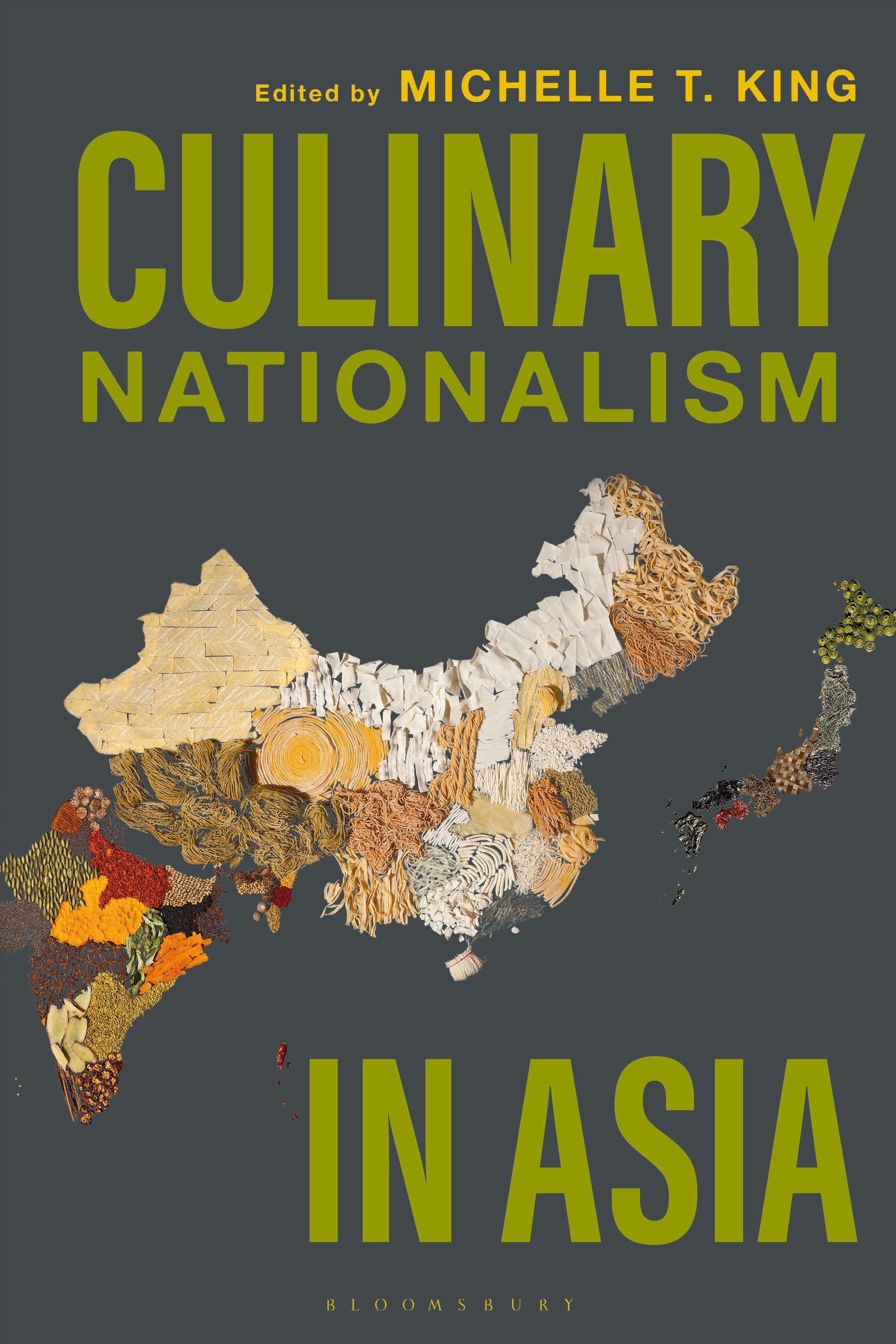
With culinary nationalism defined as a process in flux, as opposed to the limited concept of national cuisine, the contributors of this book call for explicit critical comparisons of cases of culinary nationalism among Asian regions, with the intention of recognizing patterns of modern culinary development. As a result, the formation of modern cuisine is revealed to be a process that takes place around the world, in different forms and periods, and not
exclusive to current Eurocentric models.
Key themes include the historical legacies of imperialism/colonialism, nationalism, the Cold War, and global capitalism in Asian cuisines; internal culinary boundaries between genders, ethnicities, social classes, religious groups, and perceived traditions/modernities; and global contexts of Asian cuisines as both nationalist and internationalist enterprises, and "Asia" itself as a vibrant culinary imaginary.
The book, which includes a foreword from Krishnendu Ray and an afterword from James L. Watson, sets out a fresh agenda for thinking about future food studies scholarship.
With culinary nationalism defined as a process in flux, as opposed to the limited concept of national cuisine, the contributors of this book call for explicit critical comparisons of cases of culinary nationalism among Asian regions, with the intention of recognizing patterns of modern culinary development. As a result, the formation of modern cuisine is revealed to be a process that takes place around the world, in different forms and periods, and not
exclusive to current Eurocentric models.
Key themes include the historical legacies of imperialism/colonialism, nationalism, the Cold War, and global capitalism in Asian cuisines; internal culinary boundaries between genders, ethnicities, social classes, religious groups, and perceived traditions/modernities; and global contexts of Asian cuisines as both nationalist and internationalist enterprises, and "Asia" itself as a vibrant culinary imaginary.
The book, which includes a foreword from Krishnendu Ray and an afterword from James L. Watson, sets out a fresh agenda for thinking about future food studies scholarship.
Pages: 304
Category: Kultur-, Genus- & Postkoloniala studier
e-ISBN: 9781350078697
Shipping weight: 1.2 kg
Ships in: 1-2 days
Pay easily by card, Klarna, Apple Pay or Google Pay. Not happy? You always have a 14-day money-back guarantee. Read more in our terms. If you have any questions, email us at hello@memmo.org.
Memmo makes studying easier – wherever you are in the world. We bring your course books and smart study tools together in one place: summaries, quizzes, podcasts and flashcards. Plus Ted, your study buddy who answers anything you wonder. Over 50,000 students already study here – built to help you learn faster and stress less.