
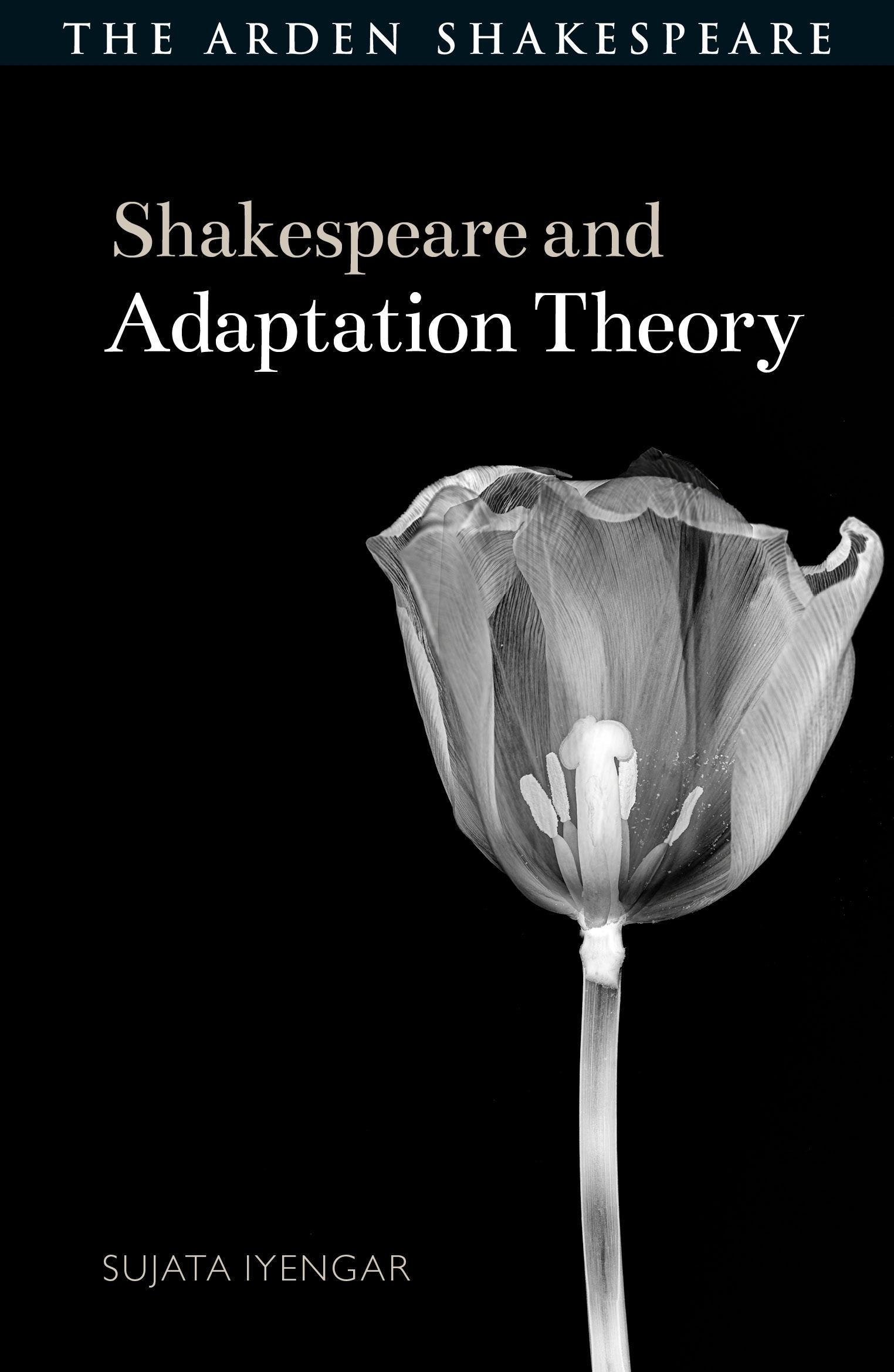
Shakespeare and Adaptation Theory reconsiders, after 20 years of intense critical and creative activity, the theory and practice of adapting Shakespeare to different genres and media. Organized around clusters of key metaphors, the book explicates the principal theories informing the field of Shakespearean adaptation and surveys the growing field of case studies by Shakespeare scholars.
Each chapter also looks anew at a specific Shakespeare play from the perspective of a prevailing set of theories and metaphors. Having identified the key critics responsible for developing these metaphors and for framing the discussion in this way, Iyengar moves on to analyze afresh the implications of these critical frames for adaptation studies as a whole and for particular Shakespeare plays. Focusing each chapter around a different play, the book contrasts comic, tragic, and tragicomic modes in Shakespeare's oeuvre and within the major genres of adaptation (e.g., film, stage-production, novel and digital media).
Each chapter seasons its theoretical discussions with a lively sprinkling of allusions to Shakespeare - ranging from TikTok to tissue-boxes, from folios and fine arts to fan work. To conclude each chapter, the author provides a case-study of three or four significant and interesting adaptations from different genres or media. A glossary of terms compiled by Philip Gilreath and the author completes the book.
Each chapter also looks anew at a specific Shakespeare play from the perspective of a prevailing set of theories and metaphors. Having identified the key critics responsible for developing these metaphors and for framing the discussion in this way, Iyengar moves on to analyze afresh the implications of these critical frames for adaptation studies as a whole and for particular Shakespeare plays. Focusing each chapter around a different play, the book contrasts comic, tragic, and tragicomic modes in Shakespeare's oeuvre and within the major genres of adaptation (e.g., film, stage-production, novel and digital media).
Each chapter seasons its theoretical discussions with a lively sprinkling of allusions to Shakespeare - ranging from TikTok to tissue-boxes, from folios and fine arts to fan work. To conclude each chapter, the author provides a case-study of three or four significant and interesting adaptations from different genres or media. A glossary of terms compiled by Philip Gilreath and the author completes the book.
Pay easily by card, Klarna, Apple Pay or Google Pay. Not happy? You always have a 14-day money-back guarantee. Read more in our terms. If you have any questions, email us at hello@memmo.org.
Memmo makes studying easier – wherever you are in the world. We bring your course books and smart study tools together in one place: summaries, quizzes, podcasts and flashcards. Plus Ted, your study buddy who answers anything you wonder. Over 50,000 students already study here – built to help you learn faster and stress less.