
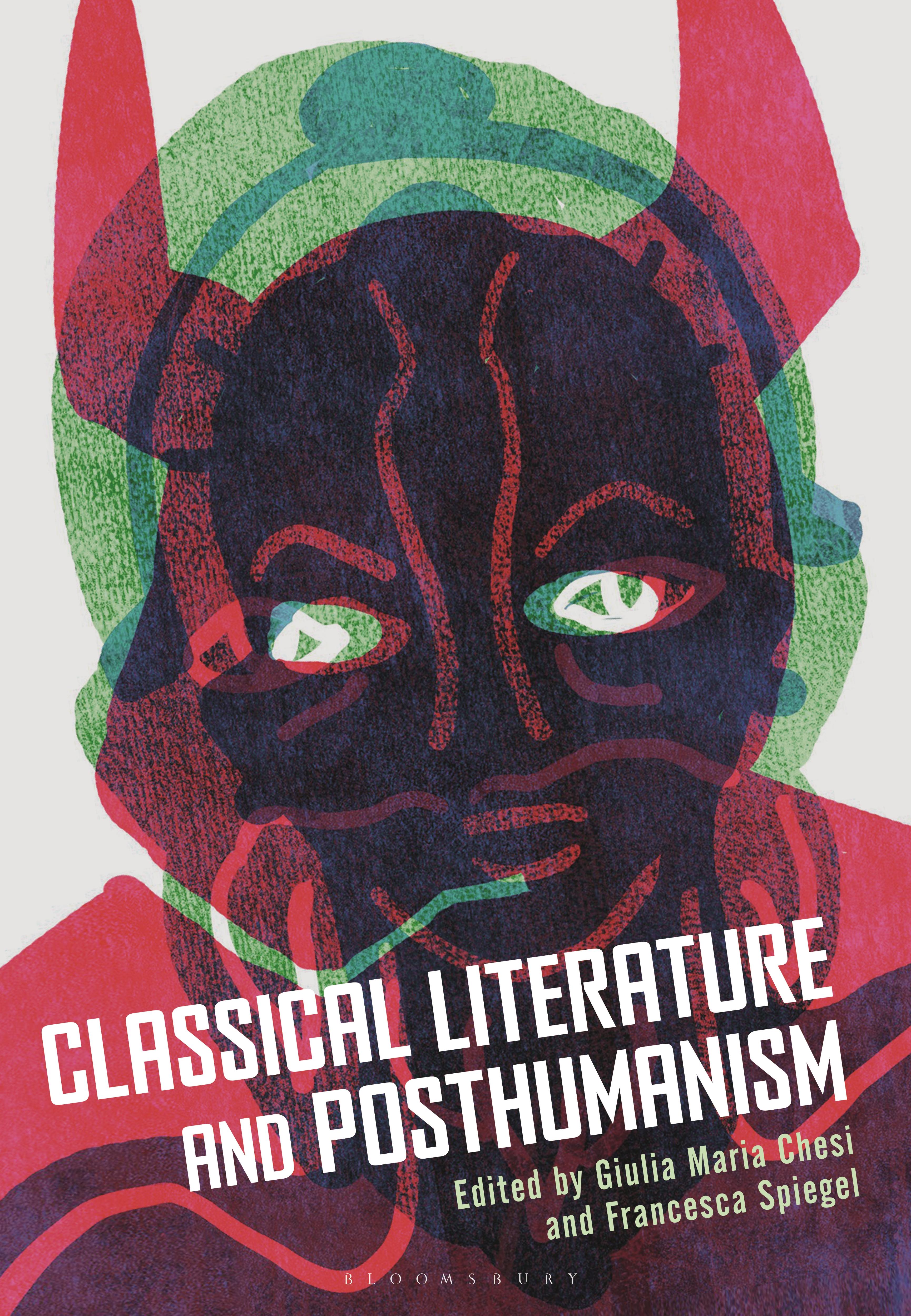
The subject of the posthuman, of what it means to be or to cease to be human, is emerging as a shared point of debate at large in the natural and social sciences and the humanities.
This volume asks what classical learning can bring to the table of posthuman studies, assembling chapters that explore how exactly the human self of Greek and Latin literature understands its own relation to animals, monsters, objects, cyborgs and robotic devices.
With its widely diverse habitat of heterogeneous bodies, minds, and selves, classical literature again and again blurs the boundaries between the human and the non-human; not to equate and confound the human with its other, but playfully to highlight difference and hybridity, as an invitation to appraise the animal, monstrous or mechanical/machinic parts lodged within humans.
This comprehensive collection unites contributors from across the globe, each delving into a different classical text or narrative and its configuration of human subjectivity-how human selves relate to other entities around them. For students and scholars of classical literature and the posthuman, this book is a first point of reference.
This volume asks what classical learning can bring to the table of posthuman studies, assembling chapters that explore how exactly the human self of Greek and Latin literature understands its own relation to animals, monsters, objects, cyborgs and robotic devices.
With its widely diverse habitat of heterogeneous bodies, minds, and selves, classical literature again and again blurs the boundaries between the human and the non-human; not to equate and confound the human with its other, but playfully to highlight difference and hybridity, as an invitation to appraise the animal, monstrous or mechanical/machinic parts lodged within humans.
This comprehensive collection unites contributors from across the globe, each delving into a different classical text or narrative and its configuration of human subjectivity-how human selves relate to other entities around them. For students and scholars of classical literature and the posthuman, this book is a first point of reference.
Pages: 480
Category: Litteraturvetenskap & Teori
e-ISBN: 9781350069510
Shipping weight: 1.2 kg
Ships in: 1-2 days
Pay easily by card, Klarna, Apple Pay or Google Pay. Not happy? You always have a 14-day money-back guarantee. Read more in our terms. If you have any questions, email us at hello@memmo.org.
Memmo makes studying easier – wherever you are in the world. We bring your course books and smart study tools together in one place: summaries, quizzes, podcasts and flashcards. Plus Ted, your study buddy who answers anything you wonder. Over 50,000 students already study here – built to help you learn faster and stress less.