
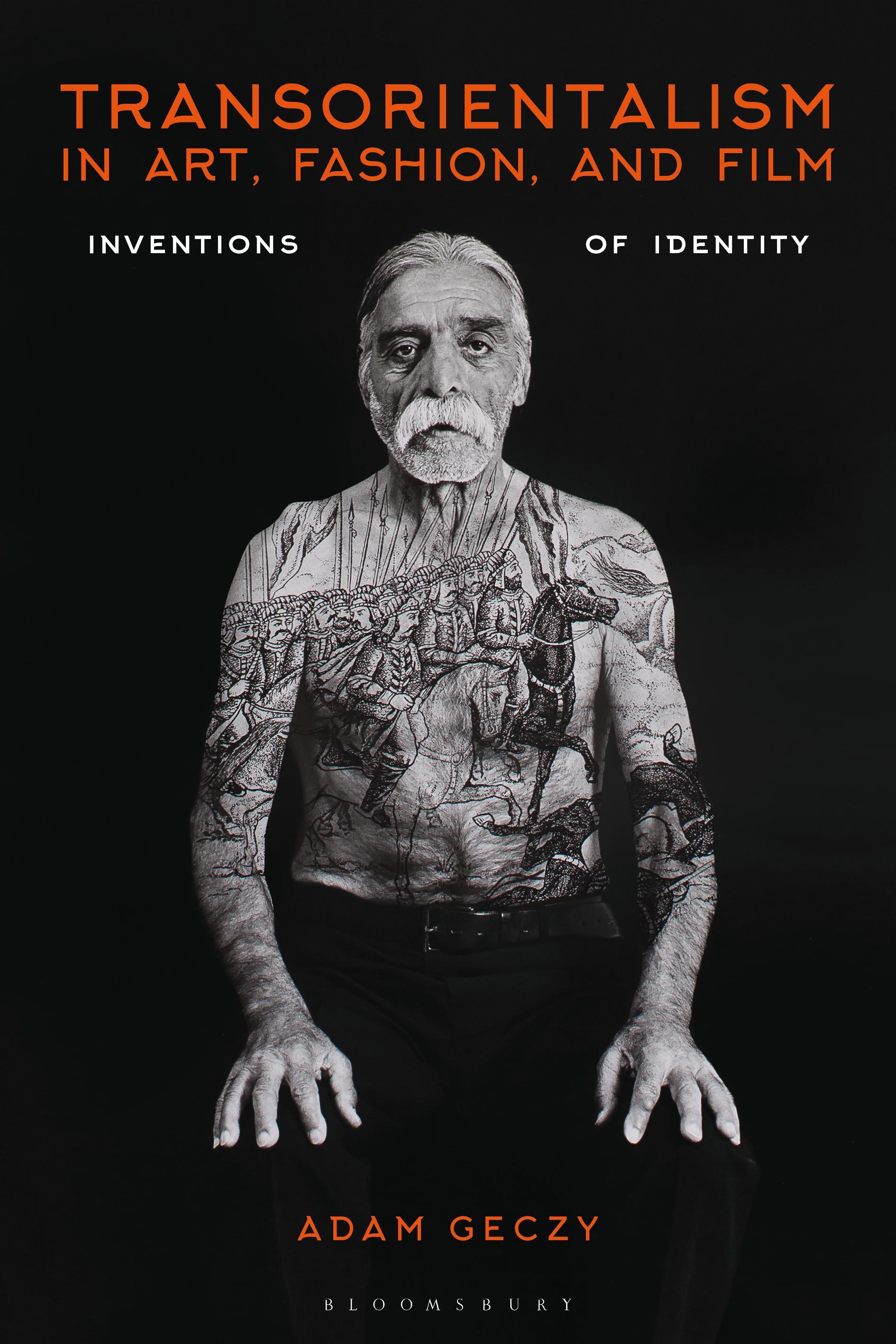
Combining transnationalism and exoticism, transorientalism is the new orientalism of the age of globalization. With its roots in earlier times, it is a term that emphasizes alteration, mutation, and exchange between cultures.
While the familiar orientalisms persist, transorientalism is a term that covers notions like the adoption of a hat from a different country for Turkish nationalist dress, the fact that an Italian could be one of the most influential directors in recent Chinese cinema, that Muslim women artists explore Islamic womanhood in non-Islamic countries, that artists can embrace both indigenous and non-indigenous identity at the same time. This is more than nostalgia or bland nationalism. It is a reflection of the effect that communication and representation in recent decades have brought to the way in which national identity is crafted and constructed-yet this does not make it any less authentic. The diversity of race and culture, the manner in which they are expressed and transacted, are most evident in art, fashion, and film. This much-needed book offers a refreshing, informed, and incisive account of a paradigm shift in the ways in which identity and otherness is moulded, perceived, and portrayed.
While the familiar orientalisms persist, transorientalism is a term that covers notions like the adoption of a hat from a different country for Turkish nationalist dress, the fact that an Italian could be one of the most influential directors in recent Chinese cinema, that Muslim women artists explore Islamic womanhood in non-Islamic countries, that artists can embrace both indigenous and non-indigenous identity at the same time. This is more than nostalgia or bland nationalism. It is a reflection of the effect that communication and representation in recent decades have brought to the way in which national identity is crafted and constructed-yet this does not make it any less authentic. The diversity of race and culture, the manner in which they are expressed and transacted, are most evident in art, fashion, and film. This much-needed book offers a refreshing, informed, and incisive account of a paradigm shift in the ways in which identity and otherness is moulded, perceived, and portrayed.
Pages: 248
Category: Kultur-, Genus- & Postkoloniala studier
e-ISBN: 9781350060166
Shipping weight: 1.2 kg
Ships in: 1-2 days
Pay easily by card, Klarna, Apple Pay or Google Pay. Not happy? You always have a 14-day money-back guarantee. Read more in our terms. If you have any questions, email us at hello@memmo.org.
Memmo makes studying easier – wherever you are in the world. We bring your course books and smart study tools together in one place: summaries, quizzes, podcasts and flashcards. Plus Ted, your study buddy who answers anything you wonder. Over 50,000 students already study here – built to help you learn faster and stress less.