
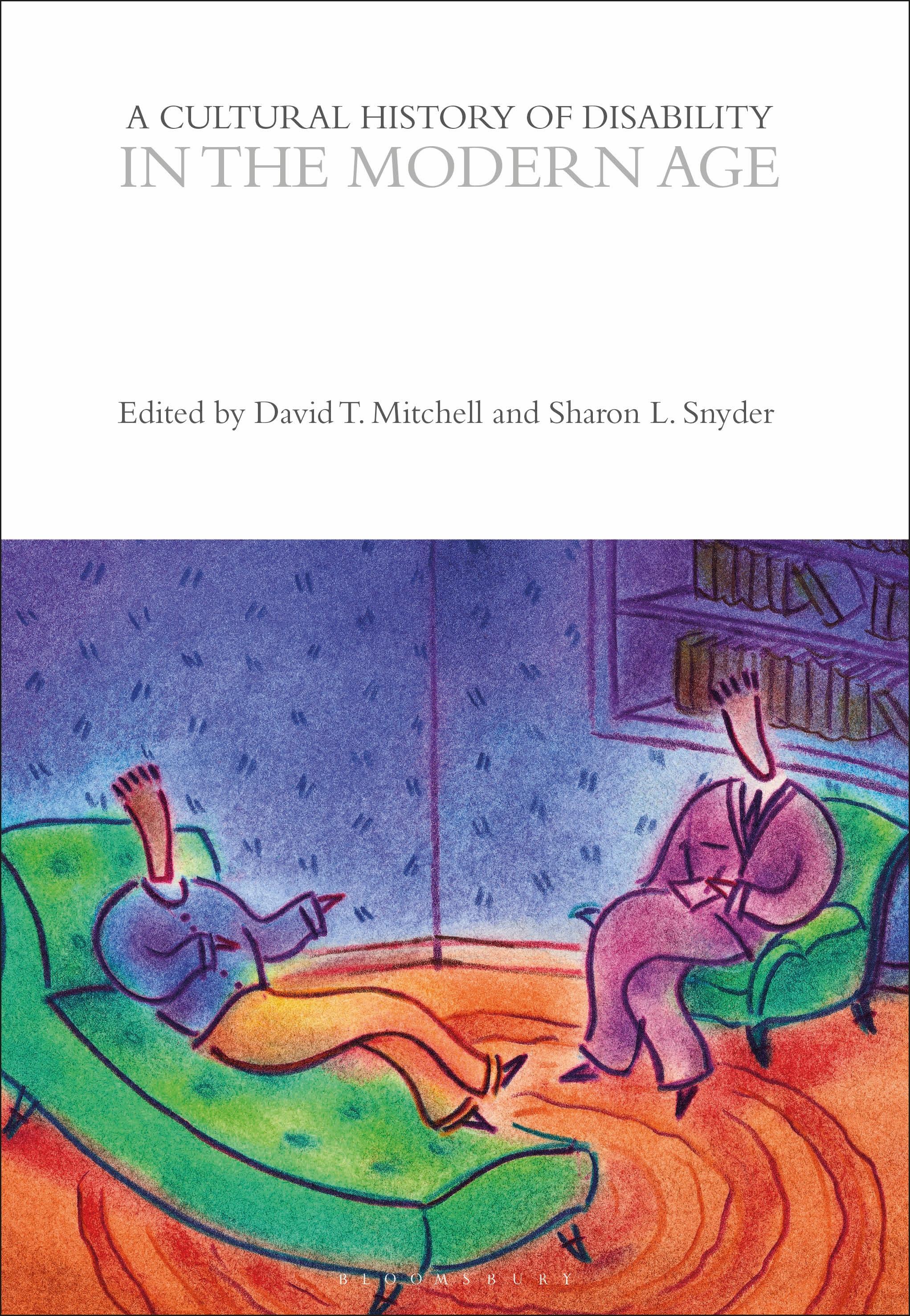
If eugenics -- the science of eliminating kinds of undesirable human beings from the species record -- came to overdetermine the late 19th century in relation to disability, the 20th century may be best characterized as managing the repercussions for variable human populations. A Cultural History of Disability in the Modern Age provides an interdisciplinary overview of disability as an outpouring of professional, political, and representational efforts to fix, correct, eliminate, preserve, and even cultivate the value of crip bodies. This book pursues analyses of disability's deployment as a wellspring for an alternative ethics of living in and alongside the body different while simultaneously considering the varied social and material contexts of devalued human differences from World War I to the present. In short, this volume demonstrates that, in Ozymandias-like ways, the Western Project of the Human with its perpetuation of body-mind hierarchies lies crumbling in the deserts of failed empires, genocidal furies, and the rejuvenating myths of new nation states in the 20th century.
An essential resource for researchers, scholars and students of history, literature, culture, philosophy, rehabilitation, technology, and education, A Cultural History of Disability in the Modern Age explores such themes and topics as: atypical bodies; mobility impairment; chronic pain and illness; blindness; deafness; speech; learning difficulties; and mental health while wrestling with their status as unreliable predictors of what constitutes undesirable humanity.
An essential resource for researchers, scholars and students of history, literature, culture, philosophy, rehabilitation, technology, and education, A Cultural History of Disability in the Modern Age explores such themes and topics as: atypical bodies; mobility impairment; chronic pain and illness; blindness; deafness; speech; learning difficulties; and mental health while wrestling with their status as unreliable predictors of what constitutes undesirable humanity.
Pages: 272
Category: Kultur-, Genus- & Postkoloniala studier
e-ISBN: 9781350029309
Shipping weight: 1.2 kg
Ships in: 1-2 days
Pay easily by card, Klarna, Apple Pay or Google Pay. Not happy? You always have a 14-day money-back guarantee. Read more in our terms. If you have any questions, email us at hello@memmo.org.
Memmo makes studying easier – wherever you are in the world. We bring your course books and smart study tools together in one place: summaries, quizzes, podcasts and flashcards. Plus Ted, your study buddy who answers anything you wonder. Over 50,000 students already study here – built to help you learn faster and stress less.