
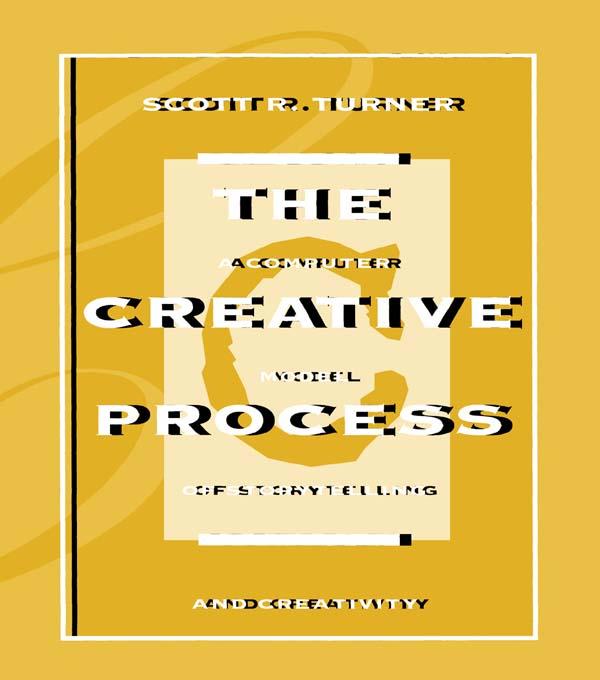
Someday computers will be artists. They'll be able to write amusing and original stories, invent and play games of unsurpassed complexity and inventiveness, tell jokes and suffer writer's block. But these things will require computers that can both achieve artistic goals and be creative. Both capabilities are far from accomplished.
This book presents a theory of creativity that addresses some of the many hard problems which must be solved to build a creative computer. It also presents an exploration of the kinds of goals and plans needed to write simple short stories. These theories have been implemented in a computer program called MINSTREL which tells stories about King Arthur and his knights. While far from being the silicon author of the future, MINSTREL does illuminate many of the interesting and difficult issues involved in constructing a creative computer.
The results presented here should be of interest to at least three different groups of people. Artificial intelligence researchers should find this work an interesting application of symbolic AI to the problems of story-telling and creativity. Psychologists interested in creativity and imagination should benefit from the attempt to build a detailed, explicit model of the creative process. Finally, authors and others interested in how people write should find MINSTREL's model of the author-level writing process thought-provoking.
Pay easily by card, Klarna, Apple Pay or Google Pay. Not happy? You always have a 14-day money-back guarantee. Read more in our terms. If you have any questions, email us at hello@memmo.org.
Memmo makes studying easier – wherever you are in the world. We bring your course books and smart study tools together in one place: summaries, quizzes, podcasts and flashcards. Plus Ted, your study buddy who answers anything you wonder. Over 50,000 students already study here – built to help you learn faster and stress less.