
With the elevation of Islam and Muslim transnational networks in international affairs, from the rise of Al Qaeda to the revolutions in North Africa and the Middle East, the study of Diasporas and transnational identities has become more relevant.
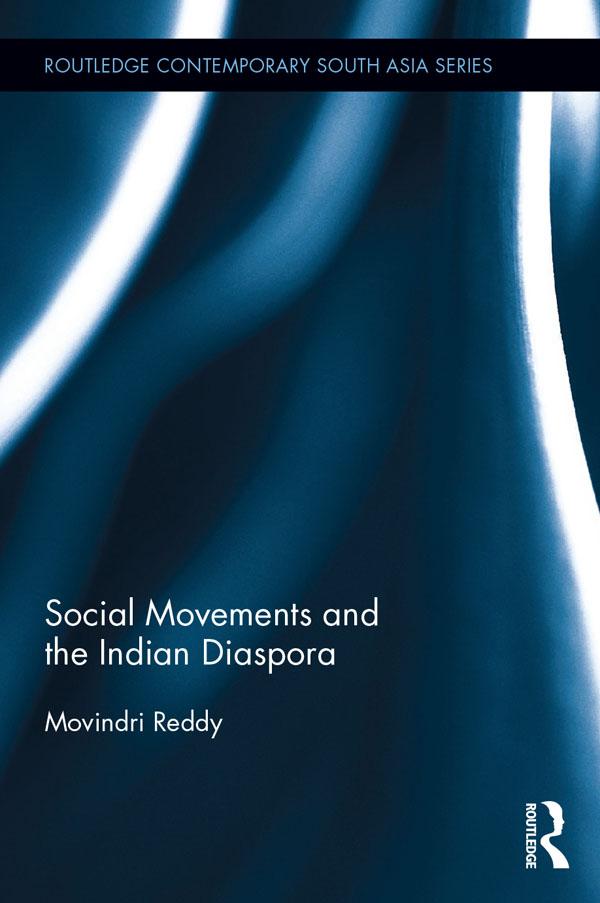
Using case studies from Fiji, Mauritius, Trinidad and South Africa, this book explores the diaspora identities and impact of social movements on politics and nationalism among indentured Indian diaspora. It analyses the way in which diasporas are defined by themselves and others, and the types of social movements they participate in, showing how these are critical indicators of the threat they are perceived to pose. The book examines the notions of national and transnational identity, and how they are determined by the placement of Diasporas in the transnational locality. It argues that the transnationality intrinsic to diaspora identities mark them as others in the nation-state, and simultaneously separates them from the perceived motherland, thus displacing them from both states and situating them in a transnational locality. It is from this placement that social movements among Diasporas gain salience. As outsiders and insiders, they are well placed to offer a formidable challenge to the host state, but these challenges are limited by their hybrid identities and perceived divided loyalties.
Providing an in-depth analysis of Indian Diasporas, the book will be of interest to those studying South Asian Studies, Migration and Diaspora Studies.
Pay easily by card, Klarna, Apple Pay or Google Pay. Not happy? You always have a 14-day money-back guarantee. Read more in our terms. If you have any questions, email us at hello@memmo.org.
Memmo makes studying easier – wherever you are in the world. We bring your course books and smart study tools together in one place: summaries, quizzes, podcasts and flashcards. Plus Ted, your study buddy who answers anything you wonder. Over 50,000 students already study here – built to help you learn faster and stress less.