
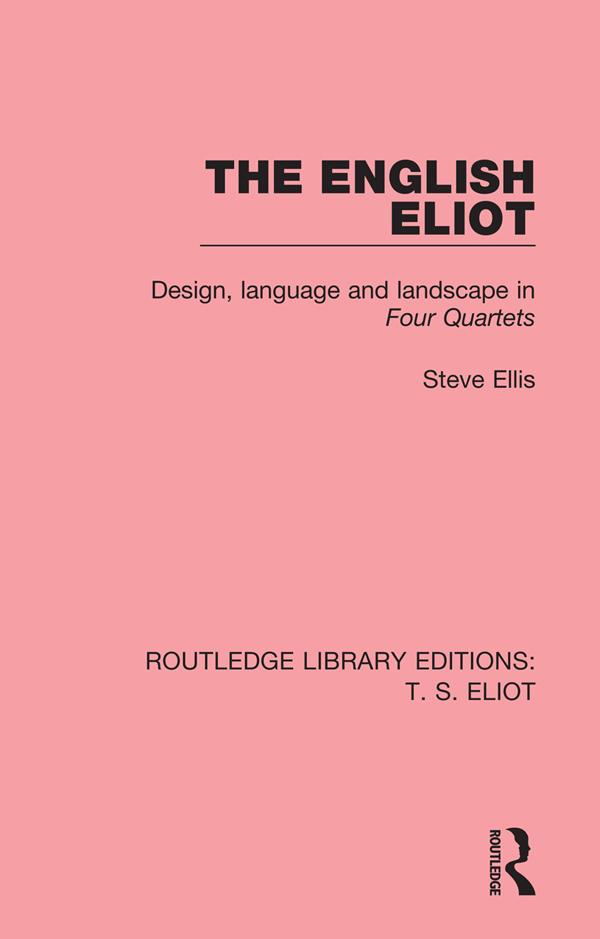
This book, first published in 1991, supplies a neglected cultural context for T. S. Eliot’s writings of the 1930s and 1940s, particularly Four Quartets, and attempts to disprove the widespread belief in Eliot’s unproblematic commitment to England, and the ‘Englishness’.
The book traces Eliot’s classicism not only in linguistic and formalist terms but also in his construction of England in the Quartets and Quartets-related essays. His practice is related to the vigorous polemic concerning the definition of England found in the 1930s and 1940s, in material as diverse as landscape painting, advertising, travel literature and the detective novel.
This original and provocative text will not only be of interest to students and teachers of Eliot, but to those interested in representations of nationality.
Pay easily by card, Klarna, Apple Pay or Google Pay. Not happy? You always have a 14-day money-back guarantee. Read more in our terms. If you have any questions, email us at hello@memmo.org.
Memmo makes studying easier – wherever you are in the world. We bring your course books and smart study tools together in one place: summaries, quizzes, podcasts and flashcards. Plus Ted, your study buddy who answers anything you wonder. Over 50,000 students already study here – built to help you learn faster and stress less.