
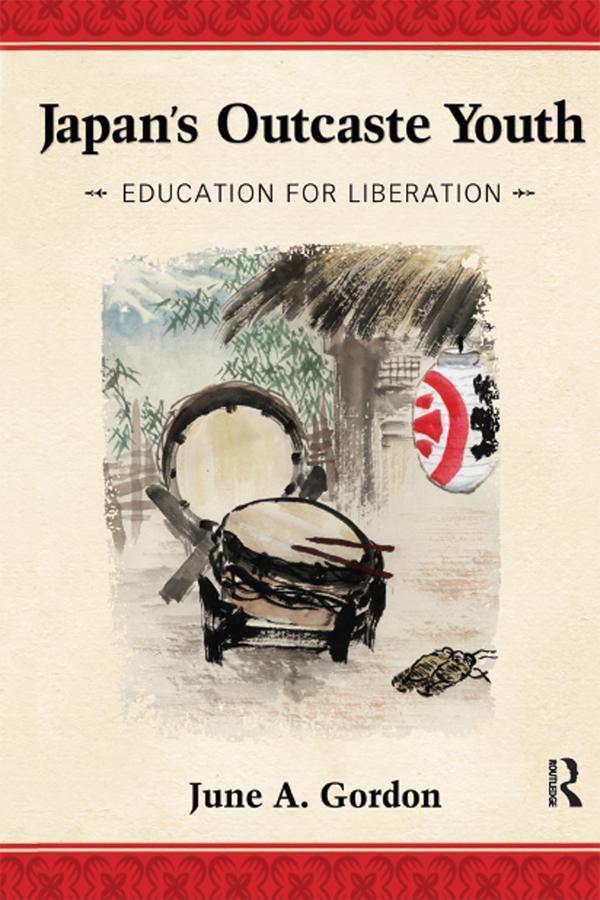
Japan's attempt to project to the world an image of solid middle-class national identity is challenged by the Burakumin, an outcaste group of indigenous Japanese citizens who have been subjugated for centuries to political, economic, and religious discrimination. In the 1960s the efforts of this group and its supporters led to a 40-year national program of economic aid and educational programs designed to move these people out of poverty and increase life options. These programs, recently terminated, have left the Burakumin and other marginalized groups uncertain of their future. Based on ten years of ethnographic inquiry, Gordon's book explores the views of educators and activists caught in this period of transition after having their lives and careers shaped by the political demands of a liberation movement dedicated to achieving educational equity for the Burakumin and their disadvantaged neighbors. Gordon provides the context of the efforts to achieve the human rights of the Burakumin and the complexity of their identity in a Japanese society struggling with economic and demographic globalization.
Pages: 168
Category: Kultur-, Genus- & Postkoloniala studier
e-ISBN: 9781317257240
Shipping weight: 1.2 kg
Ships in: 1-2 days
Pay easily by card, Klarna, Apple Pay or Google Pay. Not happy? You always have a 14-day money-back guarantee. Read more in our terms. If you have any questions, email us at hello@memmo.org.
Memmo makes studying easier – wherever you are in the world. We bring your course books and smart study tools together in one place: summaries, quizzes, podcasts and flashcards. Plus Ted, your study buddy who answers anything you wonder. Over 50,000 students already study here – built to help you learn faster and stress less.
You might also like
Buy the book0