
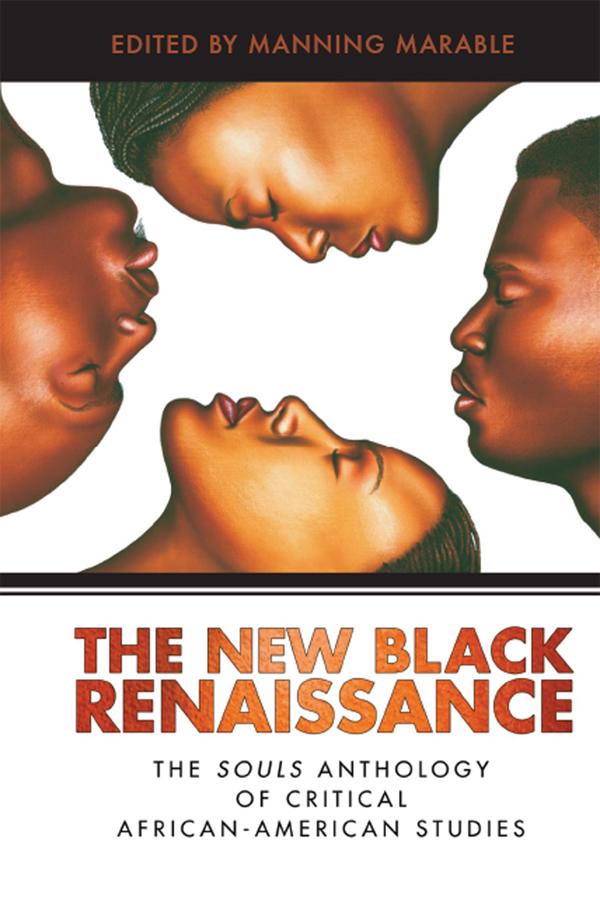
Against a backdrop of multiculturalism and Afrocentricity in the intellectual traditions of African-American studies, this book sets new standards and directions for the future. It is the first book to systematically address the many themes that have changed the political and social landscape for African-Americans. Among these changes are new transnational processes of globalization, the devastating impact of neoliberal public policies upon urban minority communities, increasing imprisonment and attendant loss of voting rights especially among black males, the surging of Hispanic population, and widening class differences as deindustrialization, crack cocaine, and gentrification entered urban communities. Marable and a cast of influential contributors suggest that a new beginning is needed for African-American scholarship. They explain why Black Studies needs to break its conceptual and thematic limitations, exploring "blackness" in new ways and in different geographic sites. They outline the major intersectionalities that should shape a new Black Studies-the complex relationships between race, gender, sexuality, class and youth. They argue that African-American Studies scholarship must help shape and redirect public policies that affect black communities, working with government, foundations and other private institutions on such issues as housing, health care, and criminal justice.
Pay easily by card, Klarna, Apple Pay or Google Pay. Not happy? You always have a 14-day money-back guarantee. Read more in our terms. If you have any questions, email us at hello@memmo.org.
Memmo makes studying easier – wherever you are in the world. We bring your course books and smart study tools together in one place: summaries, quizzes, podcasts and flashcards. Plus Ted, your study buddy who answers anything you wonder. Over 50,000 students already study here – built to help you learn faster and stress less.
You might also like
Buy the book0