
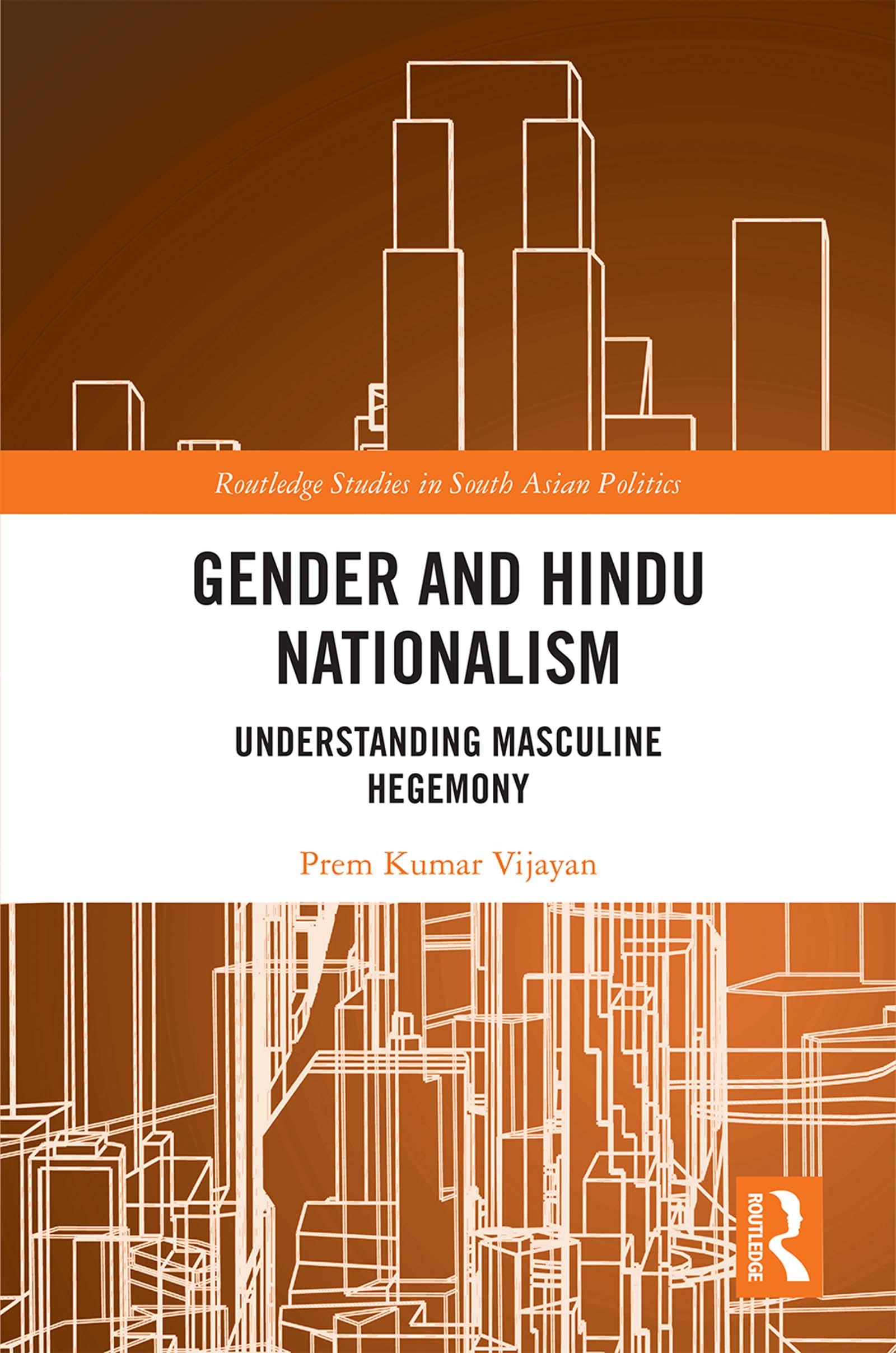
This book presents an innovative approach to gender, nationalism, and the relations between them, and analyses the broader social base of Hindu nationalist organisation to understand the growth of 'Hindutva', or Hindu nationalism, in India.
Arguing that Hindu nationalist thought and predilections emerge out of, and, in turn, feed, pre-existing gendered tendencies, the author presents the new concept of 'masculine hegemony', specifically Brahmanical masculine hegemony. The book offers a historical overview of the processes that converge in the making of the identity ‘Hindu’, in the making of the religion ‘Hinduism’, and in the shaping of the movement known as ‘Hindutva’. The impact of colonialism, social reform, and caste movements is explored, as is the role of key figures such as Mohandas Gandhi, Indira Gandhi, and Narendra Modi. The book sheds light on the close, yet uneasy, relations that Hindu nationalist thought and practice have with conceptions of 'modernity', 'development' and women's movements, and politics, and the future of Hindu nationalism in India.
A new approach to the study of Hindu nationalism, this book offers a theoretically innovative understanding of Indian history and socio-politics. It will be of interest to academics working in the field of Gender studies and Asian Studies, in particular South Asian history and politics.
Pay easily by card, Klarna, Apple Pay or Google Pay. Not happy? You always have a 14-day money-back guarantee. Read more in our terms. If you have any questions, email us at hello@memmo.org.
Memmo makes studying easier – wherever you are in the world. We bring your course books and smart study tools together in one place: summaries, quizzes, podcasts and flashcards. Plus Ted, your study buddy who answers anything you wonder. Over 50,000 students already study here – built to help you learn faster and stress less.