
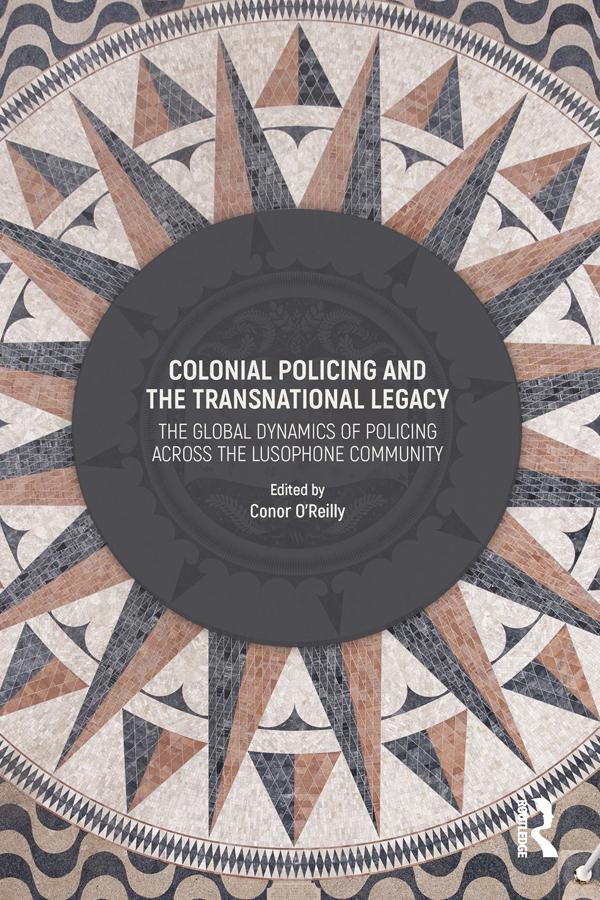
This compilation represents the first study to examine the historical evolution and shifting global dynamics of policing across the Lusophone community. With contributions from a multi-disciplinary range of experts, it traces the role of policing within and across settings that are connected by the shared legacy of Portuguese colonialism. Previously neglected within studies of the globalisation of policing, the Lusophone experience brings novel insights to established analyses of colonial, post-colonial and transnational policing. This compilation draws research attention to the policing peculiarities of the Lusophone community. It proposes new cultural settings within which to test dominant theories of policing research. It uncovers an important piece of the jigsaw that is policing across the globe. Key research questions that it addresses include:
• What were the patterns of policing, and policing transfers, across Portuguese colonial settings?
• How did Portugal’s dual status as both fascist regime and imperial power shape its late colonial policing?
• What have been the different experiences of post-colonial and transitional policing across the former Portuguese colonies?
• In what ways are Lusophone nations contributing to, and indeed shaping, patterns of transnational policing?
• What comparative lessons can be drawn from the Lusophone policing experience?
Pay easily by card, Klarna, Apple Pay or Google Pay. Not happy? You always have a 14-day money-back guarantee. Read more in our terms. If you have any questions, email us at hello@memmo.org.
Memmo makes studying easier – wherever you are in the world. We bring your course books and smart study tools together in one place: summaries, quizzes, podcasts and flashcards. Plus Ted, your study buddy who answers anything you wonder. Over 50,000 students already study here – built to help you learn faster and stress less.