
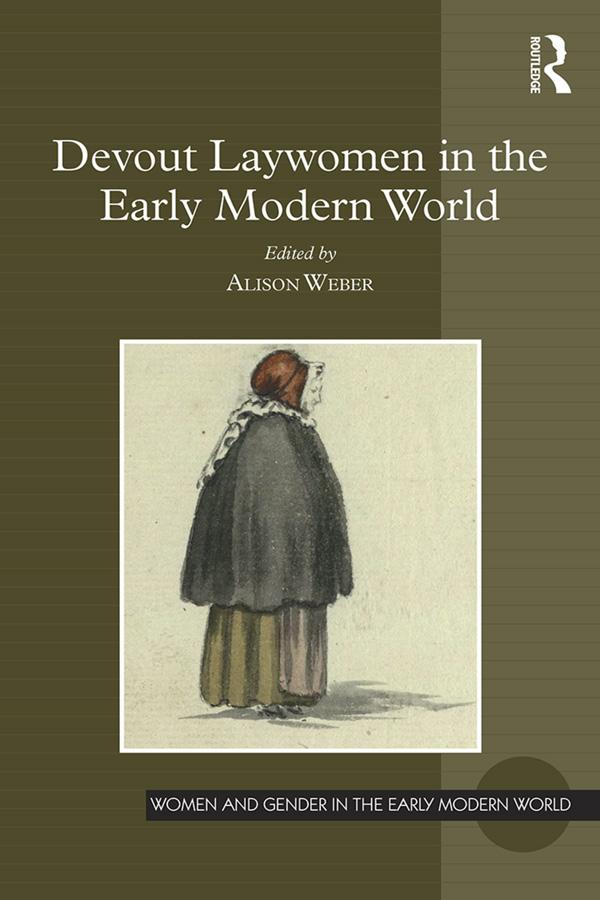
Devout laywomen raise a number of provocative questions about gender and religion in the early modern world. How did some groups or individuals evade the Tridentine legislation that required third order women to take solemn vows and observe active and passive enclosure? How did their attempts to exercise a female apostolate (albeit with varying degrees of success and assertiveness) destabilize hierarchies of class and gender? To the extent that their beliefs and practices diverged from approved doctrine and rituals, what insights can they provide into the tensions between official religion and lay religiosity? Addressing these and many other questions, Devout Laywomen in the Early Modern World reflects new directions in gender history, offering a more nuanced approach to the paradigm of woman as the prototypical "disciplined" subject of church-state power.
Pay easily by card, Klarna, Apple Pay or Google Pay. Not happy? You always have a 14-day money-back guarantee. Read more in our terms. If you have any questions, email us at hello@memmo.org.
Memmo makes studying easier – wherever you are in the world. We bring your course books and smart study tools together in one place: summaries, quizzes, podcasts and flashcards. Plus Ted, your study buddy who answers anything you wonder. Over 50,000 students already study here – built to help you learn faster and stress less.
You might also like
Buy the book0