
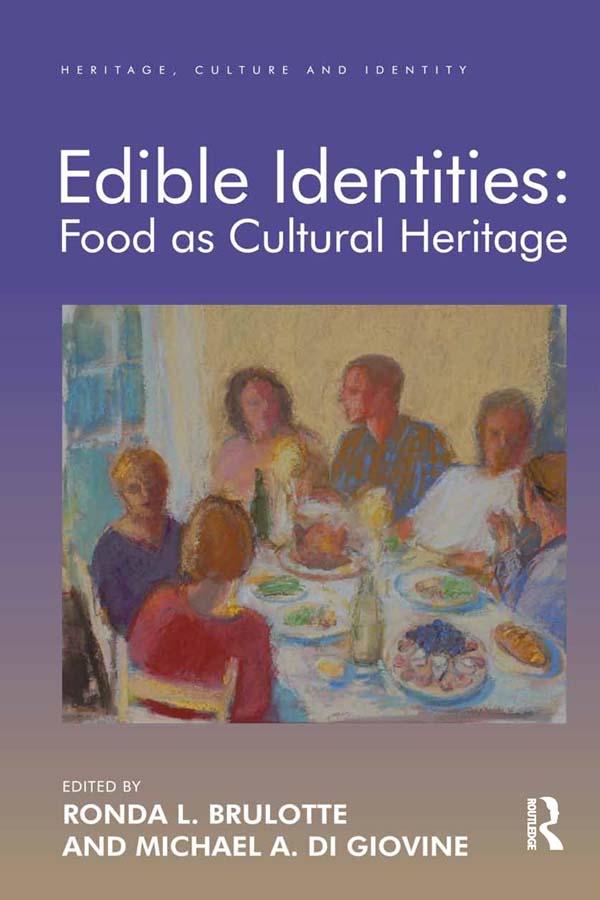
Food - its cultivation, preparation and communal consumption - has long been considered a form of cultural heritage. A dynamic, living product, food creates social bonds as it simultaneously marks off and maintains cultural difference. In bringing together anthropologists, historians and other scholars of food and heritage, this volume closely examines the ways in which the cultivation, preparation, and consumption of food is used to create identity claims of 'cultural heritage' on local, regional, national and international scales. Contributors explore a range of themes, including how food is used to mark insiders and outsiders within an ethnic group; how the same food's meanings change within a particular society based on class, gender or taste; and how traditions are 'invented' for the revitalization of a community during periods of cultural pressure. Featuring case studies from Europe, Asia and the Americas, this timely volume also addresses the complex processes of classifying, designating, and valorizing food as 'terroir,' 'slow food,' or as intangible cultural heritage through UNESCO. By effectively analyzing food and foodways through the perspectives of critical heritage studies, this collection productively brings two overlapping but frequently separate theoretical frameworks into conversation.
Pay easily by card, Klarna, Apple Pay or Google Pay. Not happy? You always have a 14-day money-back guarantee. Read more in our terms. If you have any questions, email us at hello@memmo.org.
Memmo makes studying easier – wherever you are in the world. We bring your course books and smart study tools together in one place: summaries, quizzes, podcasts and flashcards. Plus Ted, your study buddy who answers anything you wonder. Over 50,000 students already study here – built to help you learn faster and stress less.
You might also like
Buy the book0