
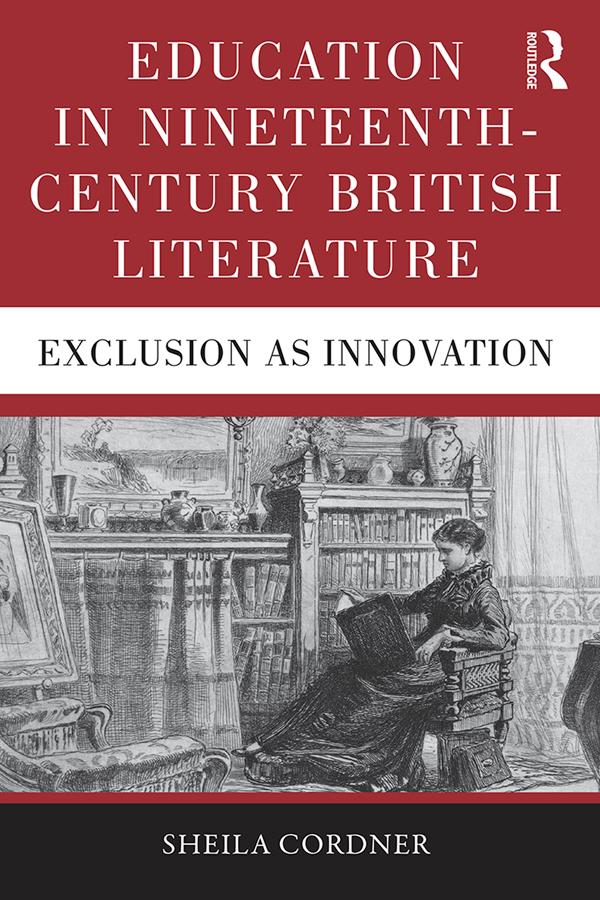
Sheila Cordner traces a tradition of literary resistance to dominant pedagogies in nineteenth-century Britain, recovering an overlooked chapter in the history of thought about education. This book considers an influential group of writers - all excluded from Oxford and Cambridge because of their class or gender - who argue extensively for the value of learning outside of schools altogether. From just beyond the walls of elite universities, Jane Austen, Elizabeth Barrett Browning, Thomas Hardy, and George Gissing used their position as outsiders as well as their intimate knowledge of British universities through brothers, fathers, and friends, to satirize rote learning in schools for the working classes as well as the education offered by elite colleges. Cordner analyzes how predominant educational rhetoric, intended to celebrate England's progress while simultaneously controlling the spread of knowledge to the masses, gets recast not only by the four primary authors in this book but also by insiders of universities, who fault schools for their emphasis on memorization. Drawing upon working-men's club reports, student guides, educational pamphlets, and materials from the National Home Reading Union, as well as recent work on nineteenth-century theories of reading, Cordner unveils a broader cultural movement that embraced the freedom of learning on one's own.
Pages: 170
Category: Litteraturvetenskap & Teori
e-ISBN: 9781317145806
Shipping weight: 1.2 kg
Ships in: 1-2 days
Pay easily by card, Klarna, Apple Pay or Google Pay. Not happy? You always have a 14-day money-back guarantee. Read more in our terms. If you have any questions, email us at hello@memmo.org.
Memmo makes studying easier – wherever you are in the world. We bring your course books and smart study tools together in one place: summaries, quizzes, podcasts and flashcards. Plus Ted, your study buddy who answers anything you wonder. Over 50,000 students already study here – built to help you learn faster and stress less.
You might also like
Buy the book0