
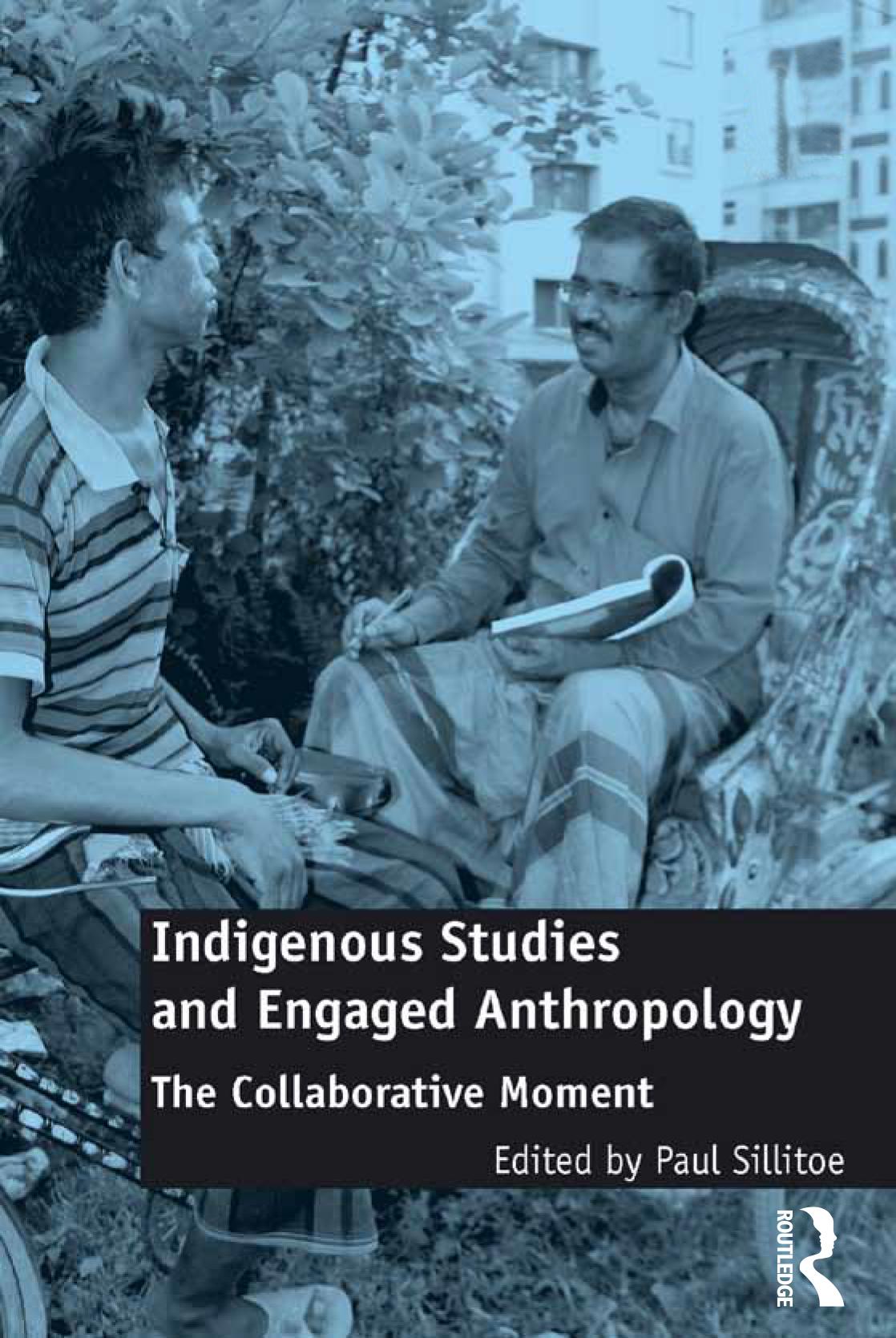
Advancing the rising field of engaged or participatory anthropology that is emerging at the same time as increased opposition from Indigenous peoples to research, this book offers critical reflections on research approaches to-date. The engaged approach seeks to change the researcher-researched relationship fundamentally, to make methods more appropriate and beneficial to communities by involving them as participants in the entire process from choice of research topic onwards. The aim is not only to change power relationships, but also engage with non-academic audiences. The advancement of such an egalitarian and inclusive approach to research can provoke strong opposition. Some argue that it threatens academic rigour and worry about the undermining of disciplinary authority. Others point to the difficulties of establishing an appropriately non-ethnocentric moral stance and navigating the complex problems communities face. Drawing on the experiences of Indigenous scholars, anthropologists and development professionals acquainted with a range of cultures, this book furthers our understanding of pressing issues such as interpretation, transmission and ownership of Indigenous knowledge, and appropriate ways to represent and communicate it. All the contributors recognise the plurality of knowledge and incorporate perspectives that derive, at least in part, from other ways of being in the world.
Pay easily by card, Klarna, Apple Pay or Google Pay. Not happy? You always have a 14-day money-back guarantee. Read more in our terms. If you have any questions, email us at hello@memmo.org.
Memmo makes studying easier – wherever you are in the world. We bring your course books and smart study tools together in one place: summaries, quizzes, podcasts and flashcards. Plus Ted, your study buddy who answers anything you wonder. Over 50,000 students already study here – built to help you learn faster and stress less.
You might also like
Buy the book0