
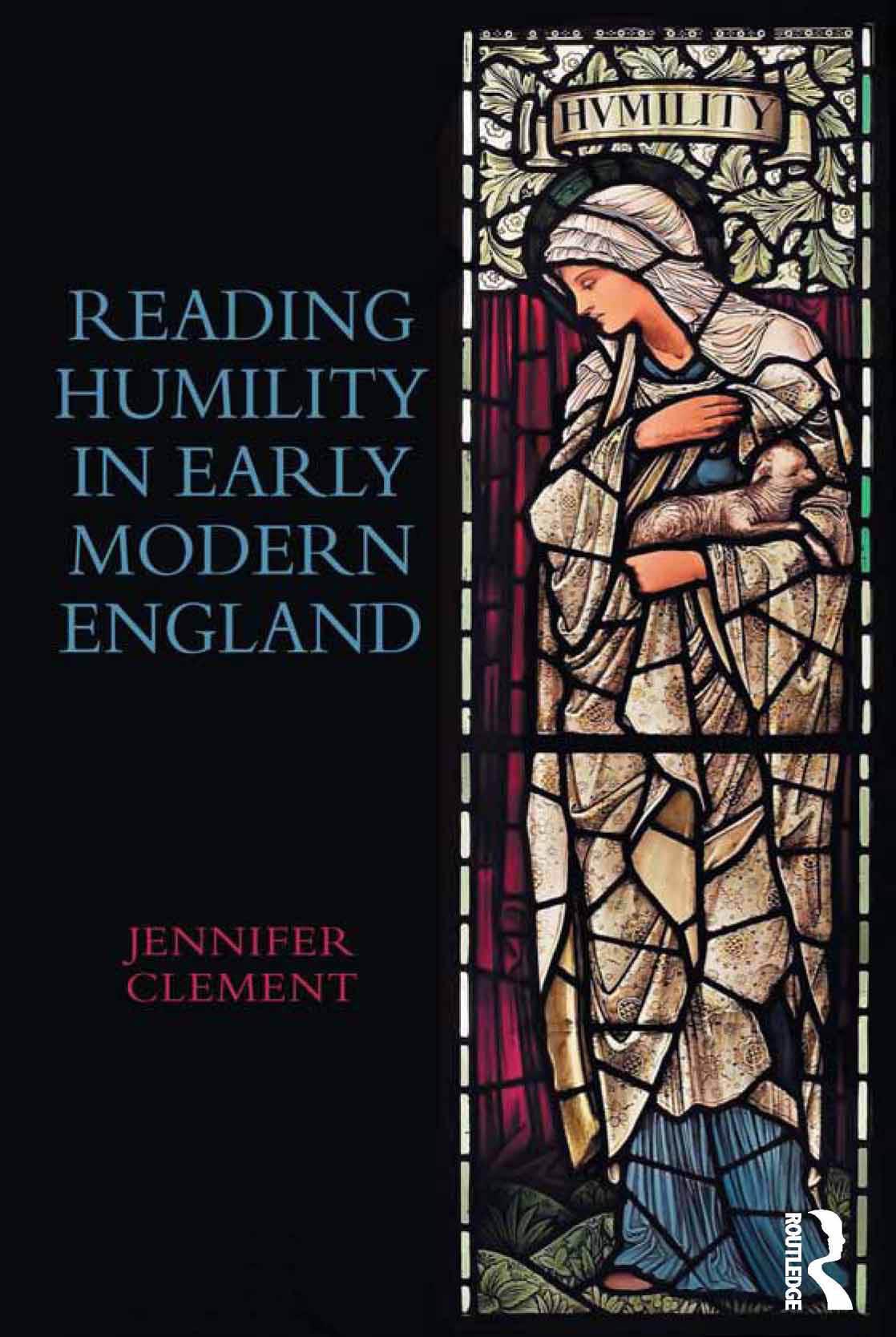
While humility is not especially valued in modern Western culture, Jennifer Clement argues here, it is central to sixteenth- and seventeenth-century understandings of Christian faith and behavior, and is vital to early modern concepts of the self. As this study shows, early modern literary engagements with humility link it to self-knowledge through the practice of right reading, and make humility foundational to any proper understanding of human agency. Yet humility has received little critical interest, and has often been misunderstood as a false virtue that engenders only self-abjection. This study offers an overview of various ways in which humility is discussed, deployed, or resisted in early modern texts ranging from the explicitly religious and autobiographical prose of Katherine Parr and John Donne, to the more politically motivated prose of Queen Elizabeth I and the seventeenth-century reformer and radical Thomas Tryon. As part of the wider 'turn to religion' in early modern studies, this study seeks to complicate our understanding of a mainstream early modern virtue, and to problematize a mode of critical analysis that assumes agency is always defined by resistance.
Pages: 166
Category: Litteraturvetenskap & Teori
e-ISBN: 9781317071167
Shipping weight: 1.2 kg
Ships in: 1-2 days
Pay easily by card, Klarna, Apple Pay or Google Pay. Not happy? You always have a 14-day money-back guarantee. Read more in our terms. If you have any questions, email us at hello@memmo.org.
Memmo makes studying easier – wherever you are in the world. We bring your course books and smart study tools together in one place: summaries, quizzes, podcasts and flashcards. Plus Ted, your study buddy who answers anything you wonder. Over 50,000 students already study here – built to help you learn faster and stress less.
You might also like
Buy the book0