
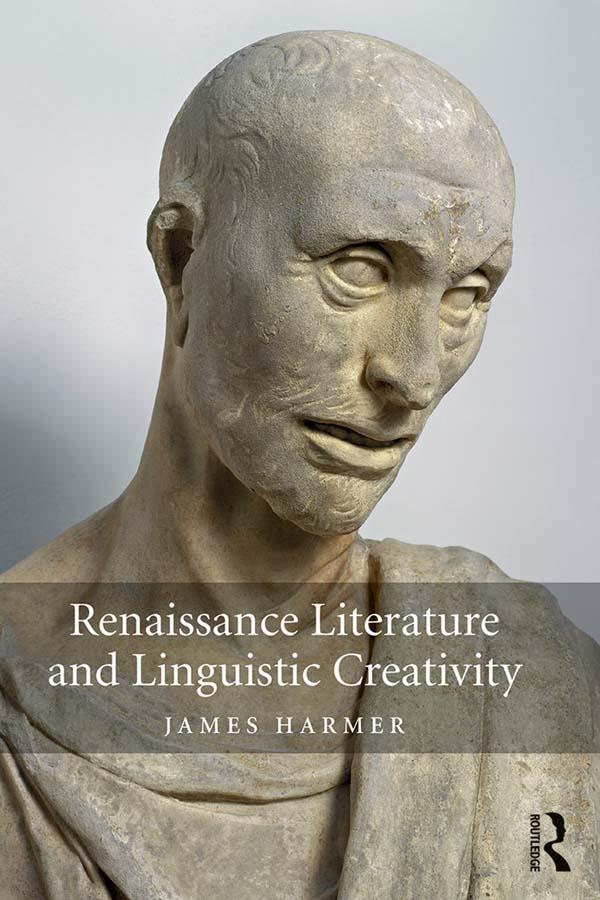
Renaissance Literature and Linguistic Creativity interrogates notions of linguistic creativity as presented in English literary texts of the late sixteenth century. It considers the reflections of Renaissance English writers upon the problem of how linguistic meaning is created in their work. The book achieves this consideration by placing its Renaissance authors in the context of the dominant conceptualisation of the thought-language relationship in the Western tradition: namely, that of 'introspection'. In taking this route, author James Harmer undertakes to provide a comprehensive overview of the notion of 'introspection' from classical times to the Renaissance, and demonstrates how complex and even strange this notion is often seen to be by thinkers and writers. Harmer also shows how poetry and literary discourse in general stands at the centre of the conceptual consideration of what linguistic thinking is. He then argues, through a range of close readings of Renaissance texts, that writers of the Shakespearean period increase the fragility of the notion of 'introspection' in such a way as to make the prospect of any systematic theory of meaning seem extremely remote. Embracing and exploring the possibility that thinking about meaning can only occur in the context of extreme cognitive and psychological limitation, these texts emerge as proponents of a human mind which is remarkably free in its linguistic nature; an irresistible mode of life unto itself. The final argumentative stratum of the book explores the implications of this approach for understanding the relationship between literary criticism, philosophy, and other kinds of critical activity. Texts discussed at length include Edmund Spenser's The Faerie Queene and shorter poetry, George Chapman's Ovids Banquet of Sence, Shakespeare's Titus Andronicus and Hamlet, and John Donne's Elegies.
Pay easily by card, Klarna, Apple Pay or Google Pay. Not happy? You always have a 14-day money-back guarantee. Read more in our terms. If you have any questions, email us at hello@memmo.org.
Memmo makes studying easier – wherever you are in the world. We bring your course books and smart study tools together in one place: summaries, quizzes, podcasts and flashcards. Plus Ted, your study buddy who answers anything you wonder. Over 50,000 students already study here – built to help you learn faster and stress less.