
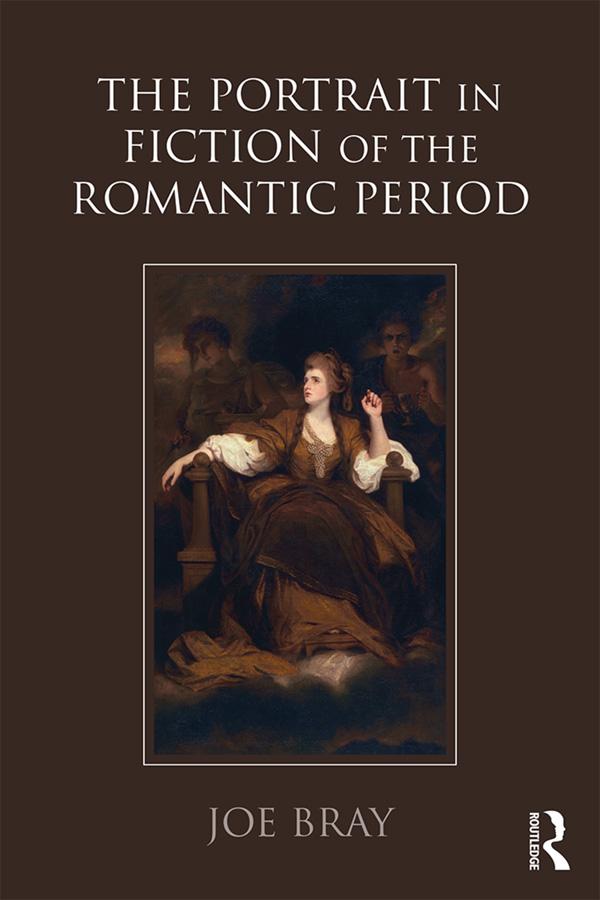
Beginning with the premise that the portrait was undergoing a shift in both form and function during the Romantic age, Joe Bray examines how these changes are reflected in the fiction of writers such as Maria Edgeworth, Jane Austen, Sir Walter Scott, Elizabeth Hamilton and Amelia Opie. Bray considers portraiture in a broad sense as encompassing caricature and the miniature, as well as the classic portraits of Sir Joshua Reynolds and others. He argues that the portrait in fiction often functions not as a transparent index to character or as a means of producing a straightforward likeness, but rather as a cue for misreading and a sign of the slipperiness and subjectivity of interpretation. The book is concerned with more than simply the appearance of portraits in Romantic fiction, however. More broadly, The Portrait in Fiction of the Romantic Period investigates how the language of portraiture pervades the novel in this period and how the two art forms exert mutual stylistic influence on each other.
Pay easily by card, Klarna, Apple Pay or Google Pay. Not happy? You always have a 14-day money-back guarantee. Read more in our terms. If you have any questions, email us at hello@memmo.org.
Memmo makes studying easier – wherever you are in the world. We bring your course books and smart study tools together in one place: summaries, quizzes, podcasts and flashcards. Plus Ted, your study buddy who answers anything you wonder. Over 50,000 students already study here – built to help you learn faster and stress less.