
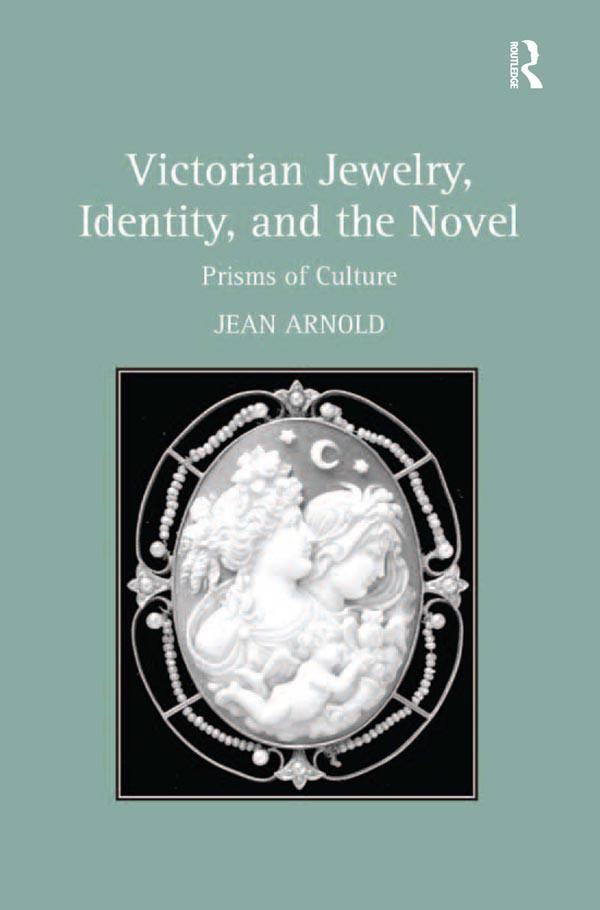
In this study of Victorian jewels and their representation, Jean Arnold explores the role material objects play in the cultural cohesion of the West. Diamonds and other gems, Arnold argues, symbolized the most closely held beliefs of the Victorians and thus can be considered "prisms of culture." Mined in the far reaches of the empire, they traversed geographical space and cultural boundaries, representing monetary value and evoking empire, class lineage, class membership, gender relations, and aesthetics. Arnold analyzes the many roles material objects fill in Western culture and surveys the cross-cultural history of the Victorian diamond, uncovering how this object became both preeminent and representative of Victorian values. Her close readings of Wilkie Collins's The Moonstone, George Eliot's Middlemarch, William Makepeace Thackeray's The Great Hoggarty Diamond, and Anthony Trollope's The Eustace Diamonds show gendered, aesthetic, economic, fetishistic, colonial, legal, and culturally symbolic interpretations of jewelry as they are enacted through narrative. Taken together, these divergent interpretations offer a holistic view of a material culture's affective attachment to objects. As the assigned meanings of jewels turn them into symbols of power, personal relationships, and valued ideas, human interactions with gems elicit emotional responses that bind the materialist culture together.
Pay easily by card, Klarna, Apple Pay or Google Pay. Not happy? You always have a 14-day money-back guarantee. Read more in our terms. If you have any questions, email us at hello@memmo.org.
Memmo makes studying easier – wherever you are in the world. We bring your course books and smart study tools together in one place: summaries, quizzes, podcasts and flashcards. Plus Ted, your study buddy who answers anything you wonder. Over 50,000 students already study here – built to help you learn faster and stress less.
You might also like
Buy the book0