
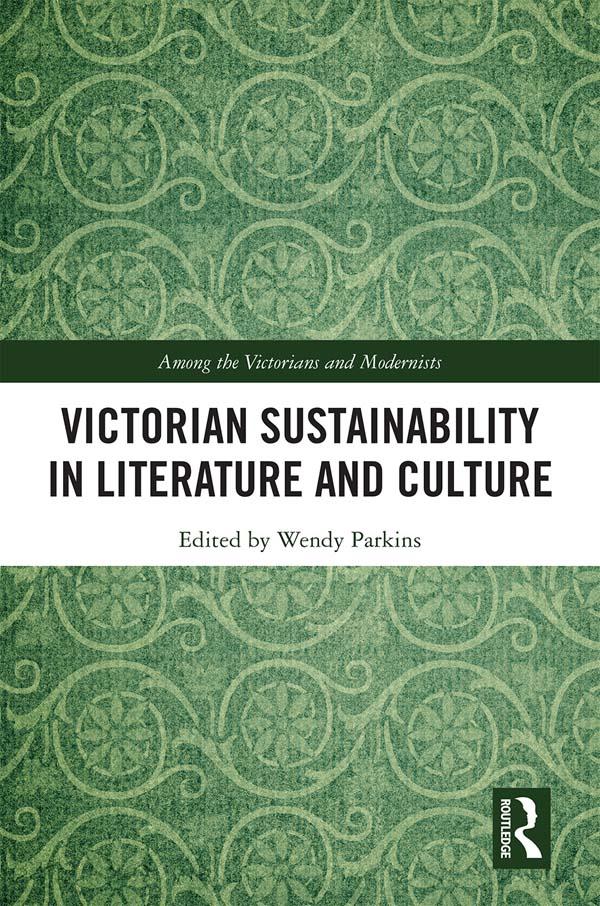
From a growing awareness of the depletion of energy resources and the perils of environmental degradation to the founding of self-sufficient communities and the establishment of the National Trust, the concept of sustainability began to take on a new importance in the Victorian period. An emerging sense of the fragility and instability of human and natural resources, and the deeply complex interweaving of the two, led many Victorians to consider how to preserve or protect what they valued, and how individuals, communities (or even nations) could survive and flourish in a world of finite resources. This collection explores not only nascent understandings of sustainability in ecological or environmental contexts but also encompasses consideration of the problem of psychological sustainability and emotional wellbeing in response to the upheavals of modernity. With chapters by scholars working in literary studies, history, cultural studies, and sustainability studies, the volume encompasses a wide diversity of topics, objects, and authors ranging from the 1850s to the early twentieth century. Victorian Sustainability offers new perspectives on debates about sustainability in the present by showing how our current concerns derive from an earlier historical context.
Pay easily by card, Klarna, Apple Pay or Google Pay. Not happy? You always have a 14-day money-back guarantee. Read more in our terms. If you have any questions, email us at hello@memmo.org.
Memmo makes studying easier – wherever you are in the world. We bring your course books and smart study tools together in one place: summaries, quizzes, podcasts and flashcards. Plus Ted, your study buddy who answers anything you wonder. Over 50,000 students already study here – built to help you learn faster and stress less.
You might also like
Buy the book0