
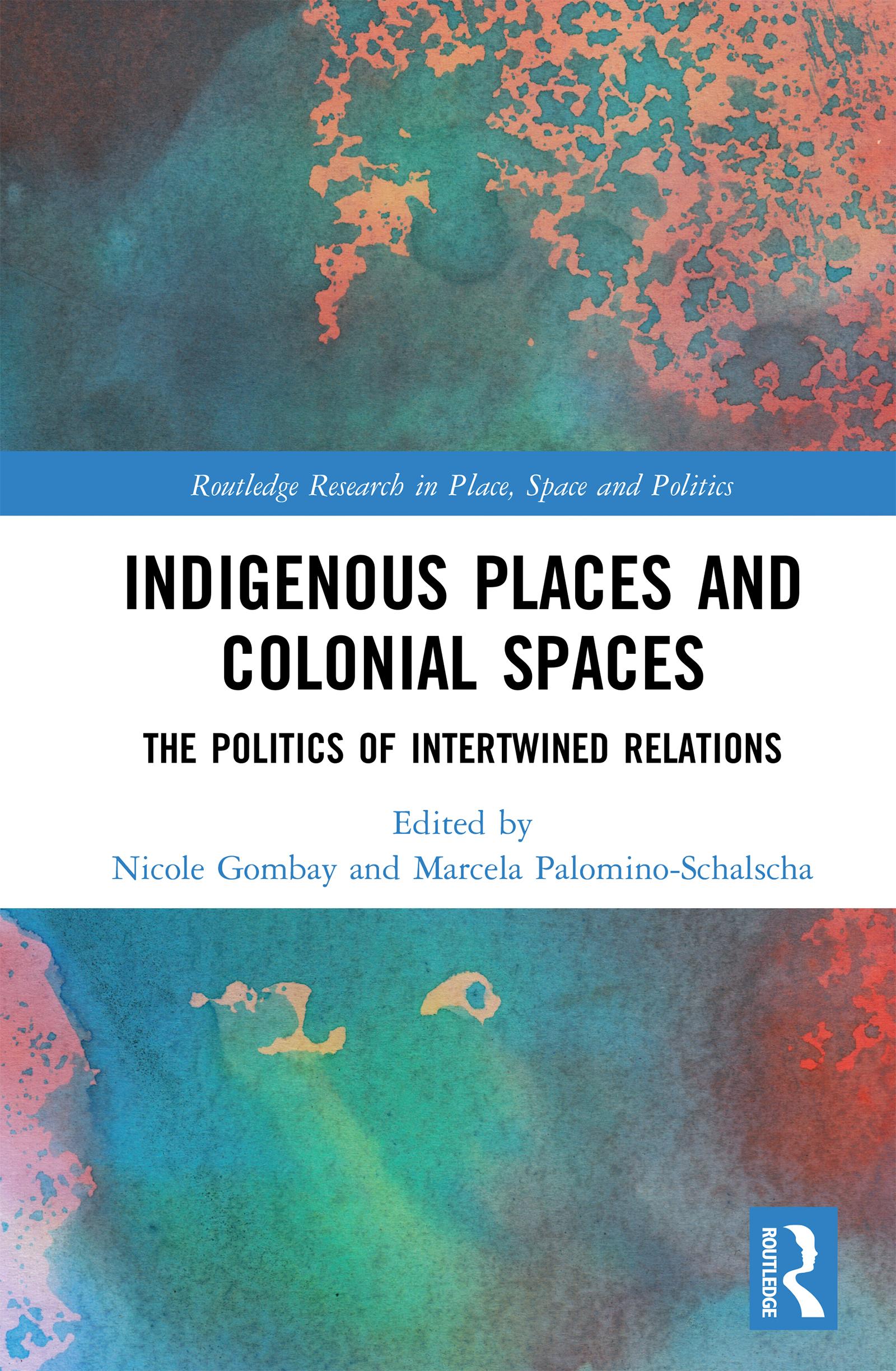
In the aftermath of colonial occupation, Indigenous peoples have long fought to assert their sovereignty. This requires that settler colonial societies comprehend the inadequacy of their responses to Indigenous peoples’ contestations of existing power relations.
Taking an international and contemporary perspective, this book critically explores the extent to which Indigenous peoples are transforming the conditions of their coexistence with settler colonial societies. With contributions from Indigenous and non-Indigenous researchers across the humanities and social sciences, the book is divided into four sections that reflect some key arenas of debate: ontological negotiations; assertions of connections to and rights over land; the contradictions embedded in practices of "recognition"; and the possibilities for change based on rightful relationships. From medicine to urban spaces, from love to alternative economies, from acts of citizenship to environmental justice, the chapters of this book provide a grounded analysis of how these spaces of intertwined coexistence are being crafted, resisted, reconfigured, and expanded.
Providing concrete insight into the responses of Indigenous communities to the impacts of settler colonialism, this book will appeal to researchers in Cultural Geography, Anthropology, Rural Studies, Political Geography, Indigenous Studies, and Settler Colonial Studies.
Pay easily by card, Klarna, Apple Pay or Google Pay. Not happy? You always have a 14-day money-back guarantee. Read more in our terms. If you have any questions, email us at hello@memmo.org.
Memmo makes studying easier – wherever you are in the world. We bring your course books and smart study tools together in one place: summaries, quizzes, podcasts and flashcards. Plus Ted, your study buddy who answers anything you wonder. Over 50,000 students already study here – built to help you learn faster and stress less.