
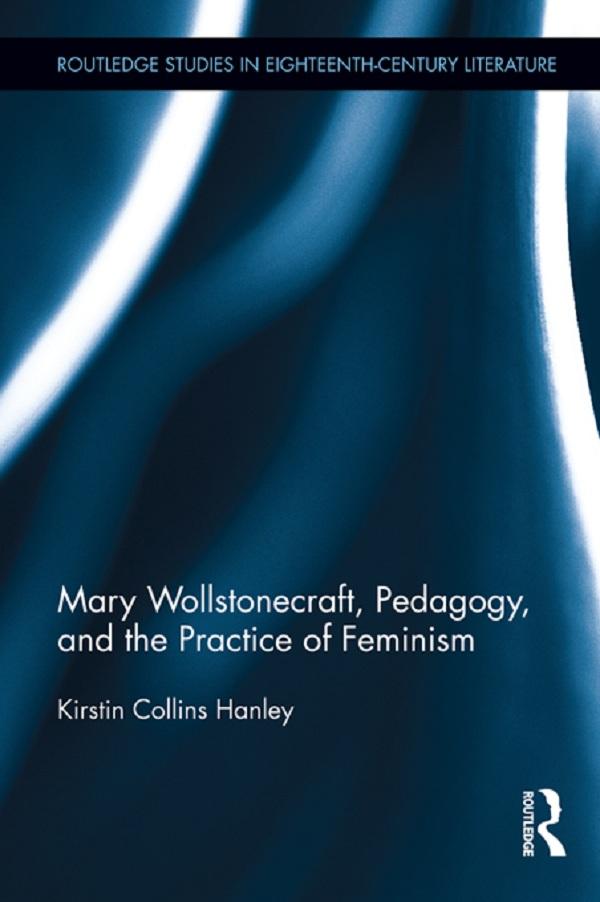
This study examines Mary Wollstonecraft—generally recognized as the founder of the early feminist movement—by shedding light on her contributions to eighteenth-century instructional literature, and feminist pedagogy in particular. While contemporary scholars have extensively theorized Wollstonecraft’s philosophical and polemic work, little attention has been given to her understanding and representation of feminist practice, most clearly exemplified in her instructional writing. This study makes a significant contribution to the fields of both eighteenth-century and Romantic Era literature by looking at how early feminism influenced didactic traditions from the late-eighteenth century to today. Hanley argues that Wollstonecraft constructs a paradigm of feminist pedagogy both in the texts’ representations of teaching and learning, and her own authorial approach in re-appropriating earlier texts and textual traditions. Wollstonecraft’s appropriations of Locke, Rousseau, and other educationists allow her to develop reading and writing pedagogies that promote critical thinking and gesture toward contemporary composition theories and practices. Hanley underscores the significance of Wollstonecraft as teacher and mentor by revisiting texts that are generally assigned a short space in the context of a larger discussion about her life and/or writing, re-presenting her works of instruction as meaningful both in their revisionist approaches to tradition and their normative didactic features.
Pay easily by card, Klarna, Apple Pay or Google Pay. Not happy? You always have a 14-day money-back guarantee. Read more in our terms. If you have any questions, email us at hello@memmo.org.
Memmo makes studying easier – wherever you are in the world. We bring your course books and smart study tools together in one place: summaries, quizzes, podcasts and flashcards. Plus Ted, your study buddy who answers anything you wonder. Over 50,000 students already study here – built to help you learn faster and stress less.