
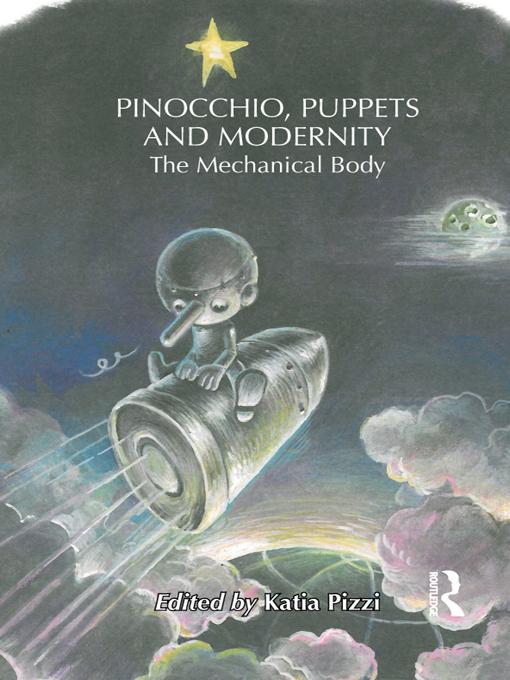
This study assesses the significance of Pinocchio in the twentieth and twenty-first centuries in addition to his status as the creature of a nineteenth century traversed by a cultural enthusiasm for dummies, puppets, and marionettes. This collection identifies him as a figure characterized by a 'fluid identity,' informed with transition, difference, joie de vivre, otherness, displacement, and metamorphosis, making Pinocchio a truly modern, indeed postmodern and posthuman, cultural icon. Pinocchio, Puppets and Modernity explores this crucial and as yet little visited field, reassessing Pinocchio's genealogy and progeny, as well as illuminating both the wider context and more specific cultural manifestations of the mechanical-human interface in the domains of theatre, the fine arts, literature, radio, and even virtual reality coherently with the digital metamorphosis of our times.
The wide-ranging scope of this exploration encompasses Italian, French, and English literature, dummies and marionettes in modernist and contemporary theatre, the fairytale tradition, and traditional and contemporary painting, as well as the older and newer media of radio, television, cinema, and the Internet. The diverse, comparative, and multimedia focus of this original discussion testifies to the enduring transcultural legacy of Pinocchio. Eminently sellable as a traditional cultural icon, Pinocchio is equally impactful and relevant for a globalized, multicultural, and virtual society, from Collodi to Disney and beyond.
Katia Pizzi is Senior Lecturer in Italian at the Institute of Germanic & Romance Studies, School of Advanced Study, University of London. She has published volumes on cultural identities, including A City in Search of an Author (2001) and The Cultural Identities of European Cities (2010), and on children's literature and illustration.
Pay easily by card, Klarna, Apple Pay or Google Pay. Not happy? You always have a 14-day money-back guarantee. Read more in our terms. If you have any questions, email us at hello@memmo.org.
Memmo makes studying easier – wherever you are in the world. We bring your course books and smart study tools together in one place: summaries, quizzes, podcasts and flashcards. Plus Ted, your study buddy who answers anything you wonder. Over 50,000 students already study here – built to help you learn faster and stress less.