
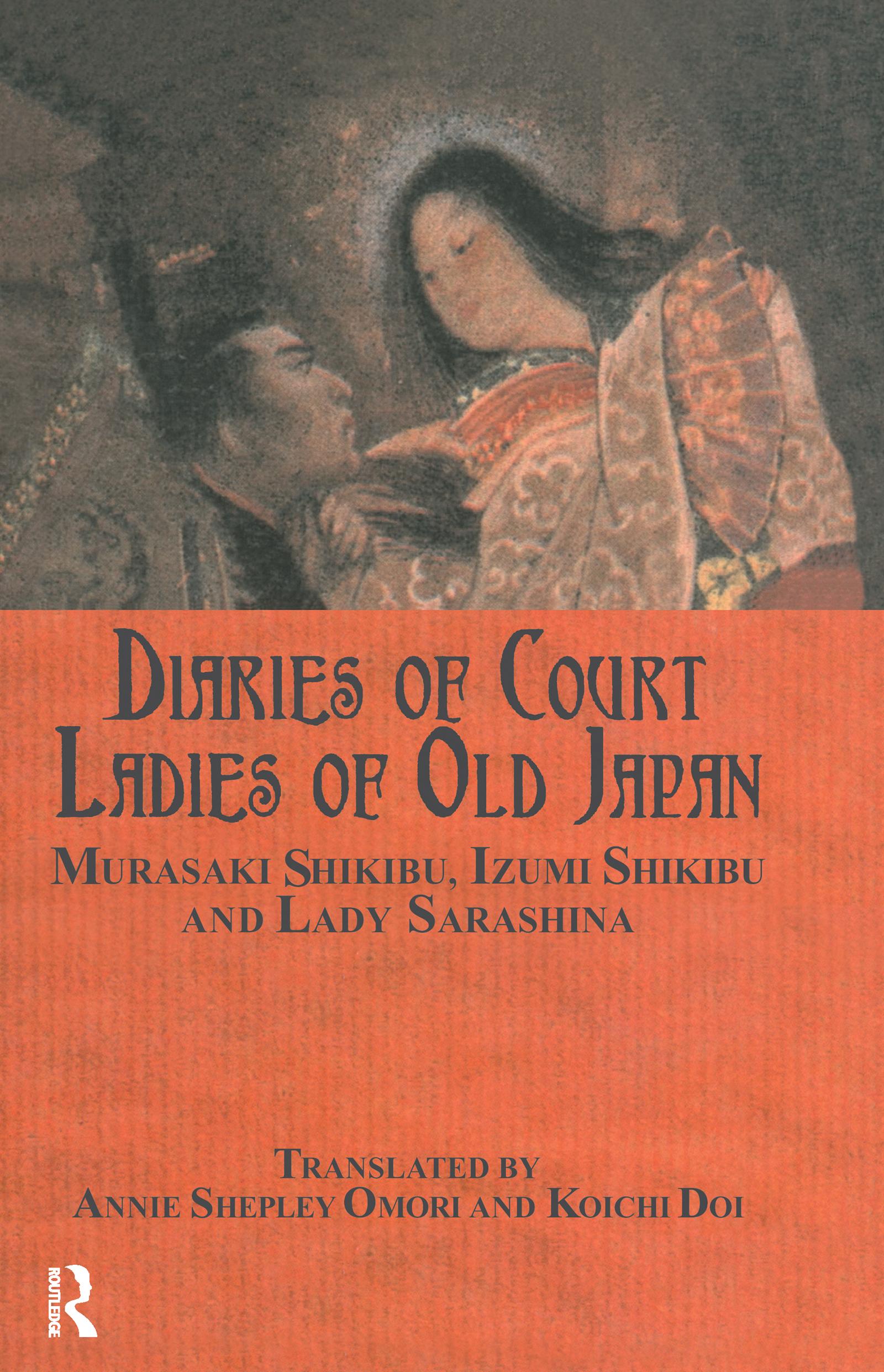
The Heian period (794-1186AD) of Japanese history - the setting of The Tale of Genji - was an era of unsurpassed refinement in art and literature, in which women played a unique role. Dominated by the mighty Fujiwara clan, the Japanese court was the bright centre of a world in which rare and exquisite taste in poetry, art, calligraphy, dress, incense, colour, even the selection of gifts, was cultivated to an amazing degree. This gossamer veil of beauty masked another reality of political intrigue and passionate rivalries which intensified the heady atmosphere of a court in which flirtations and love affairs were endemic. Cultivated and artistic women held a privileged position at court, and they perfected the literary genre of diaries that combined subtlety, strength and starkness in their depictions of life in this enclosed and dream-like world. These diaries are among the jewels of Japanese literature and three are presented here - The Sarashina Diary, the Diary of Izumi Shikibu and the Diary of Murasaki Shikibu - with an introduction by the poet Amy Lowell, an early admirer of Japanese literature.
Pay easily by card, Klarna, Apple Pay or Google Pay. Not happy? You always have a 14-day money-back guarantee. Read more in our terms. If you have any questions, email us at hello@memmo.org.
Memmo makes studying easier – wherever you are in the world. We bring your course books and smart study tools together in one place: summaries, quizzes, podcasts and flashcards. Plus Ted, your study buddy who answers anything you wonder. Over 50,000 students already study here – built to help you learn faster and stress less.