
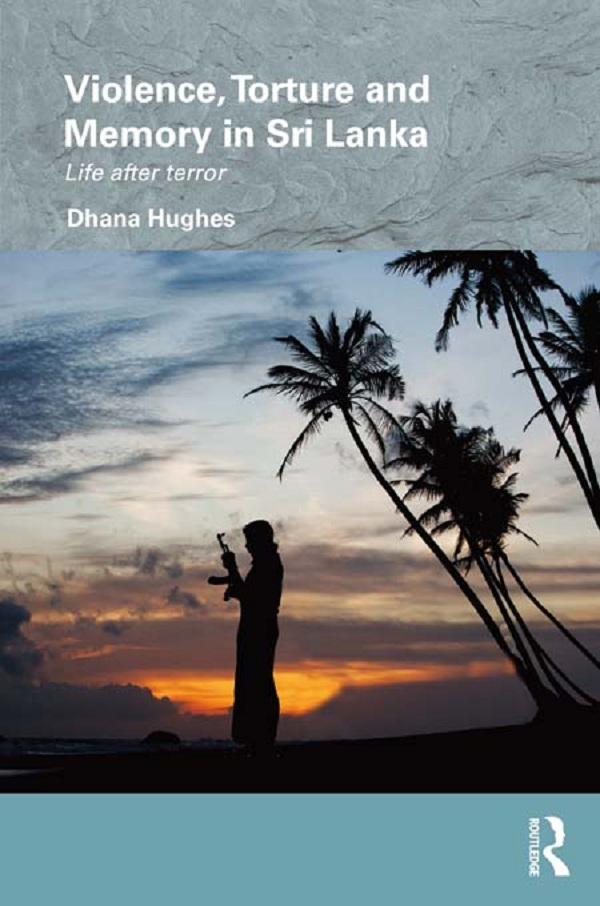
Drawing on original ethnographic field-research conducted primarily with former guerrilla insurgents in southern and central Sri Lanka, this book analyses the memories and narratives of people who have perpetrated political violence. It explores how violence is negotiated and lived with in the aftermath, and its implications for the self and social relationships from the perspectives of those who have inflicted it.
The book sheds ethnographic light on a largely overlooked and little-understood conflict that took place within the majority Sinhala community in the late 1980s, known locally as the Terror (Bheeshanaya). It illuminates the ways in which the ethical charge carried by violence seeps into the fabric of life in the aftermath, and discusses that for those who have perpetrated violence, the mediation of its memory is ethically tendentious and steeped in the moral, carrying important implications for notions of the self and for the negotiation of sociality in the present.
Providing an important understanding of the motivations, meanings, and consequences of violence, the book is of interest to students and scholars of South Asia, Political Science, Trauma Studies and War Studies.
Pay easily by card, Klarna, Apple Pay or Google Pay. Not happy? You always have a 14-day money-back guarantee. Read more in our terms. If you have any questions, email us at hello@memmo.org.
Memmo makes studying easier – wherever you are in the world. We bring your course books and smart study tools together in one place: summaries, quizzes, podcasts and flashcards. Plus Ted, your study buddy who answers anything you wonder. Over 50,000 students already study here – built to help you learn faster and stress less.