
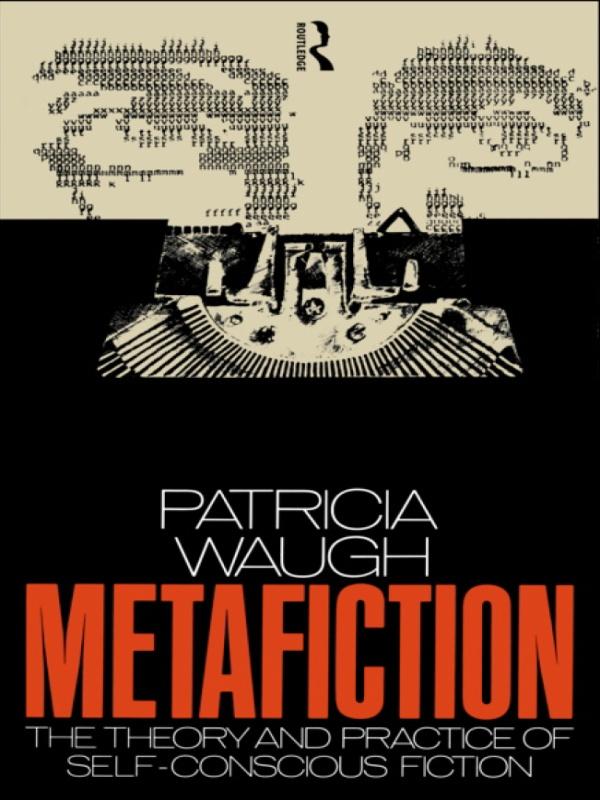
Metafiction begins by surveying the state of contemporary fiction in Britain and America and explores the complex political, social and economic factors which influence critical judgment of fiction. The author shows how, as the novel has been eclipsed by the mass media, novelists have sought to retain and regain a wide readership by drawing on the themes and preoccupations of these forms. Making use of contemporary fiction by such writers as Fowles, Borges, Spark, Barthelme, Brautigan, Vonnegut and Barth, and drawing on Russian Formalist theories of literary evolution, the book argues that metafiction uses parody along with popular genres and non-literary forms as a way not only of exposing the inadequate and obsolescent conventions of the classic novel, but of stuggesting the lines along which fiction might develop in the future.
Pay easily by card, Klarna, Apple Pay or Google Pay. Not happy? You always have a 14-day money-back guarantee. Read more in our terms. If you have any questions, email us at hello@memmo.org.
Memmo makes studying easier – wherever you are in the world. We bring your course books and smart study tools together in one place: summaries, quizzes, podcasts and flashcards. Plus Ted, your study buddy who answers anything you wonder. Over 50,000 students already study here – built to help you learn faster and stress less.