
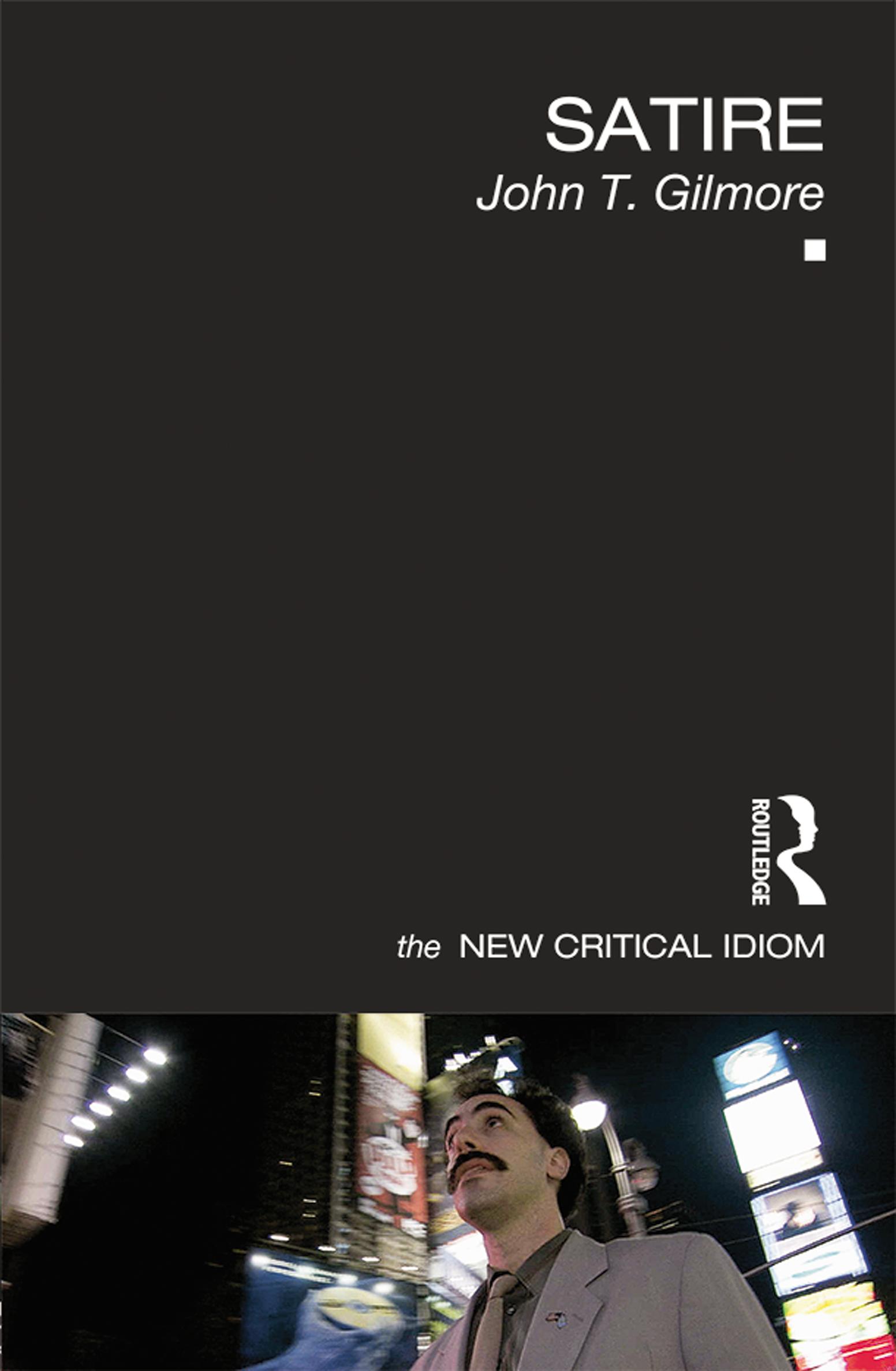
What is satire? How can we define it? Is it a weapon for radical change or fundamentally conservative? Is satire funny or cruel? Does it always need a target or victim? Combining thematic, theoretical and historical approaches, John T. Gilmore introduces and investigates the tradition of satire from classical models through to the present day. In a lucid and engaging style, Gilmore explores:
- the moral politics of satire
- whether satire is universal, historically or geographically limited
- how satire translates across genres and media
-
the boundaries of free speech and legitimacy.
Using examples from ancient Egypt to Charlie Hebdo, from European traditions of formal verse satire to imaginary voyages and alternative universes, newspaper cartoons and YouTube clips, from the Caribbean to China, this comprehensive volume should be of interest to students and scholars of literature, media and cultural studies as well as politics and philosophy.
Pay easily by card, Klarna, Apple Pay or Google Pay. Not happy? You always have a 14-day money-back guarantee. Read more in our terms. If you have any questions, email us at hello@memmo.org.
Memmo makes studying easier – wherever you are in the world. We bring your course books and smart study tools together in one place: summaries, quizzes, podcasts and flashcards. Plus Ted, your study buddy who answers anything you wonder. Over 50,000 students already study here – built to help you learn faster and stress less.