
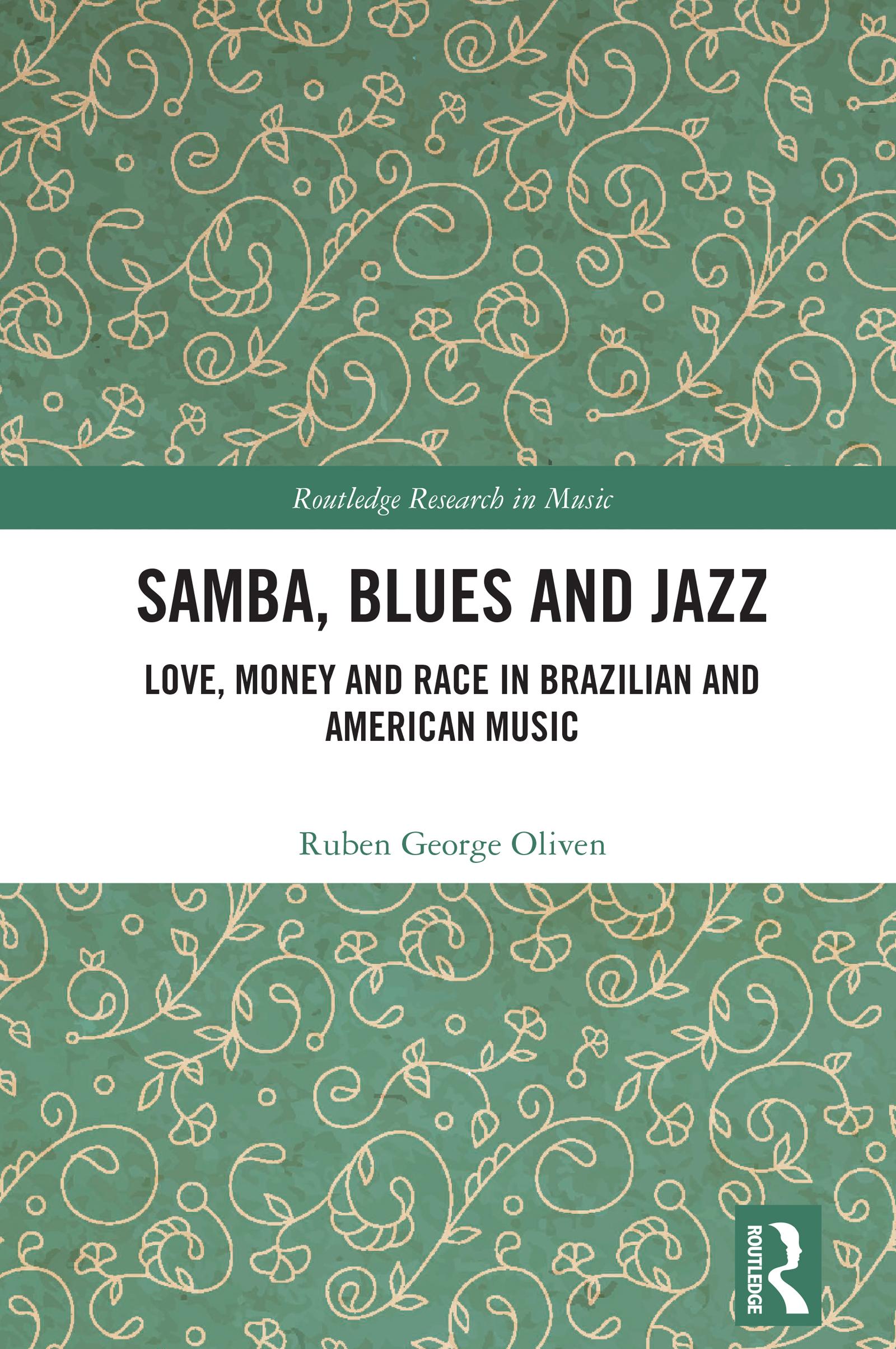
This book compares the origins of samba, jazz, and the blues, discussing the racial and popular class elements surrounding them and how white middle-class composers gradually appropriated them, in the context of Brazil and the United States, providing invaluable comparative insights about modernity, music, and race. These musical styles developed at the beginning of the twentieth century when Brazil and the United States, despite their differences, underwent significant social processes, such as dealing with the consequences of enslavement, European and global migration, rapid urbanization and industrialization, monetization of life, changes in gender and family relations, and the building of national identities. Their lyrics carry potent messages that reflect their social context and shed light on recurring themes such as work, money, love, gender, family, and race. Many of these songs have become classics that continue to resonate with the imaginaries of both countries. Brazilian and American music intertwined through the performances of Black musicians in 1920s Paris, the development of jazz bands in Brazil, and the presence of artists like Carmen Miranda in 1940s Hollywood.
The book will be of interest to those studying the modern Americas, popular culture, music and race, affect in history, gender, and modernity.
Pay easily by card, Klarna, Apple Pay or Google Pay. Not happy? You always have a 14-day money-back guarantee. Read more in our terms. If you have any questions, email us at hello@memmo.org.
Memmo makes studying easier – wherever you are in the world. We bring your course books and smart study tools together in one place: summaries, quizzes, podcasts and flashcards. Plus Ted, your study buddy who answers anything you wonder. Over 50,000 students already study here – built to help you learn faster and stress less.