
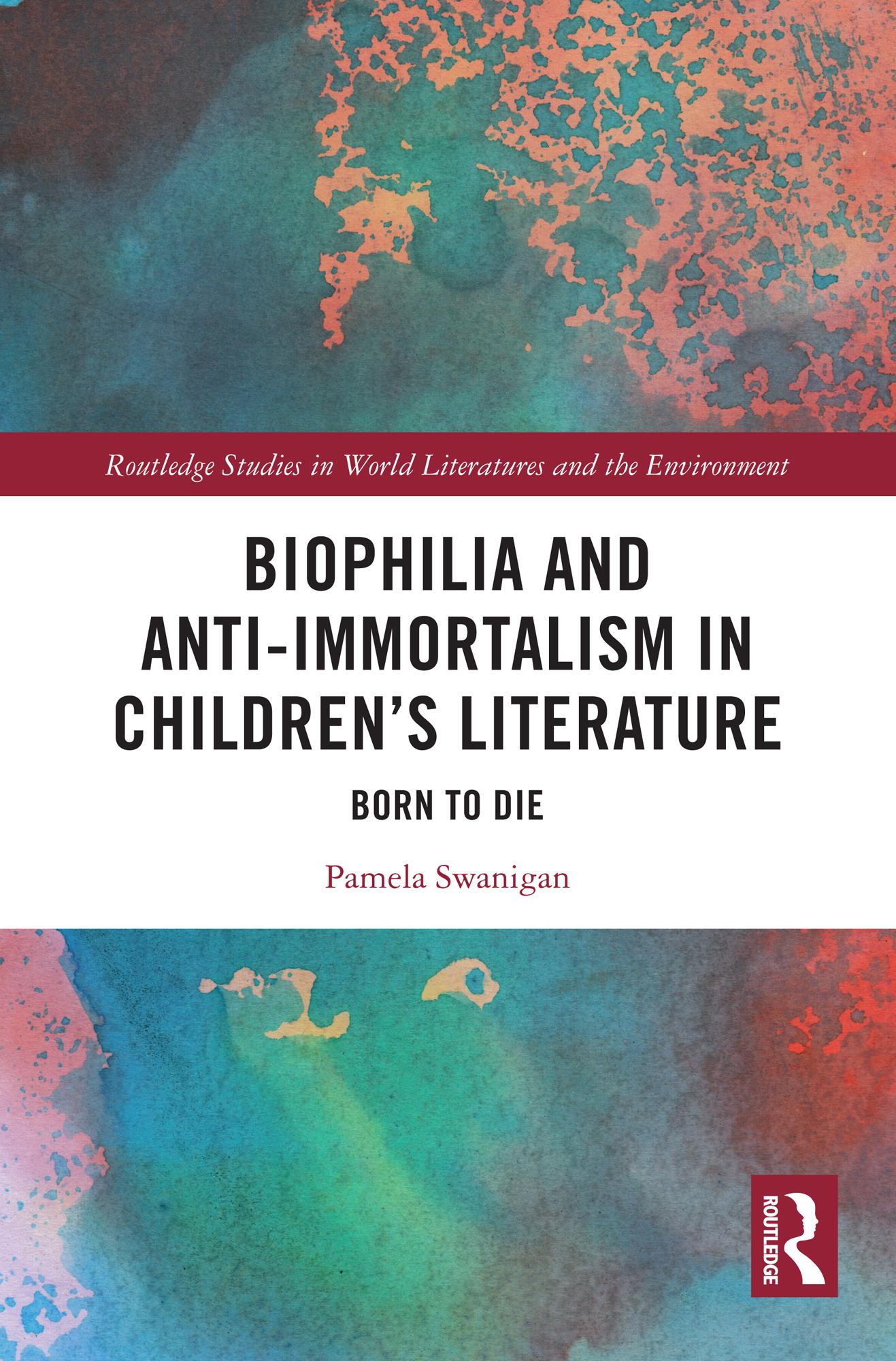
Children’s literature has traditionally been analyzed through humanist frameworks like psychoanalysis and gender theory, which, while legitimizing the genre’s study, fail to address its focus on animals, rural settings, and nature. This project takes a non-humanist, sociobiological approach, arguing that children’s literature has, for over a century, fostered what E. O. Wilson calls “biophilia”—an evolution-based affinity for living things expressed through innate impulses and predispositions. Focusing on chapter books with immortality as a theme, such as Frances Hodgson Burnett’s The Secret Garden, Natalie Babbitt’s Tuck Everlasting, and Ursula Le Guin’s The Other Wind, the study explores how children’s literature promotes a syncretic biotheism, revering life’s natural cycles while rejecting immortalist ideologies like Christian post-death immortality and secular life extension. These books depict human death as reintegration into nature, offering young readers a unique “ecological literacy.” This literacy cultivates values that conflict with industrialism, urbanization, and Christianity, creating “internal anomie” as readers transition into adulthood. By examining how children’s literature shapes ecological awareness and challenges dominant cultural mores, the project highlights the genre’s role in fostering a deeper connection to the natural world and its cycles, often overlooked in traditional critical analyses.
Pay easily by card, Klarna, Apple Pay or Google Pay. Not happy? You always have a 14-day money-back guarantee. Read more in our terms. If you have any questions, email us at hello@memmo.org.
Memmo makes studying easier – wherever you are in the world. We bring your course books and smart study tools together in one place: summaries, quizzes, podcasts and flashcards. Plus Ted, your study buddy who answers anything you wonder. Over 50,000 students already study here – built to help you learn faster and stress less.