
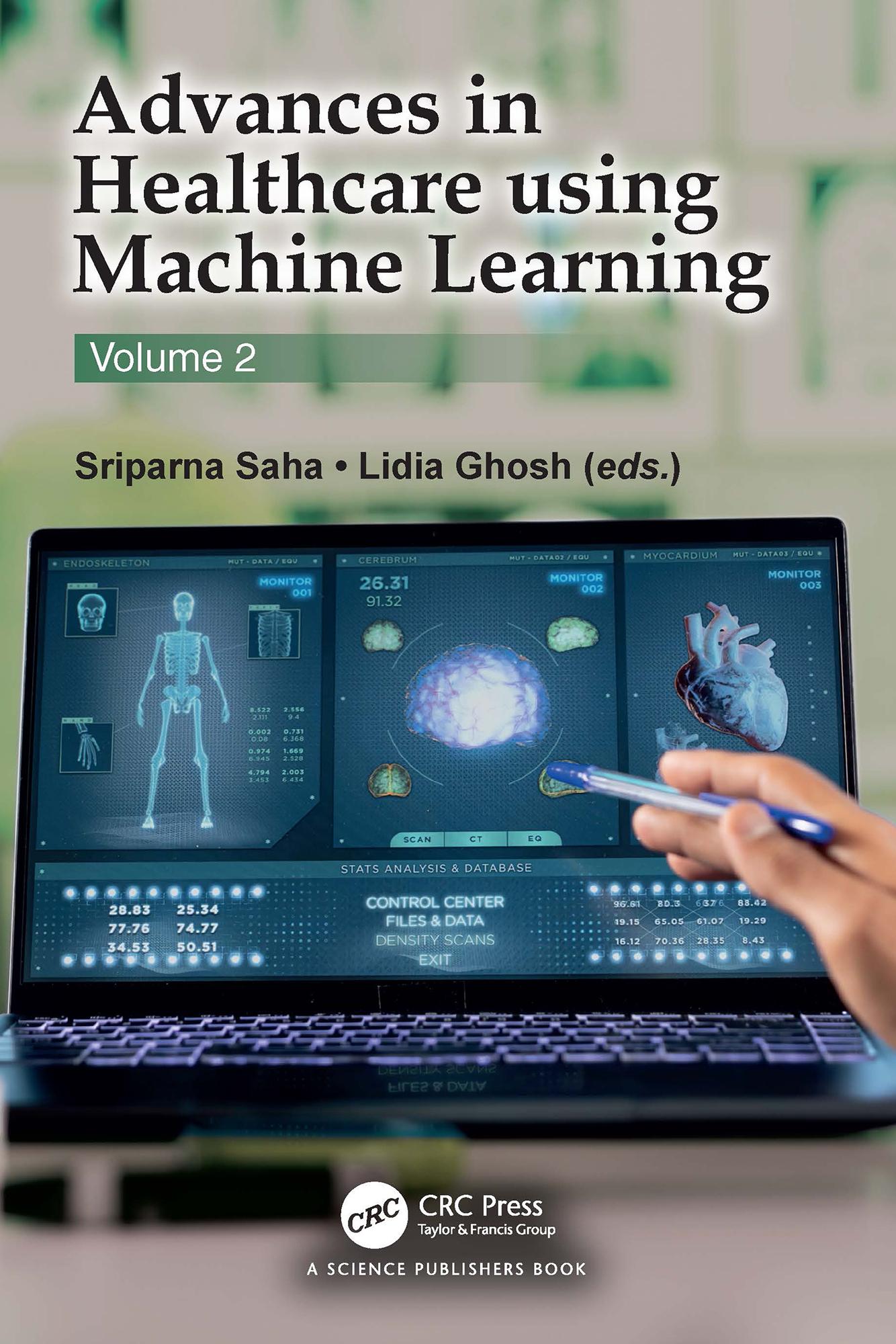
The technological advancements made in recent decades have not only helped us better comprehend the morphology and physiology of the organs of the human body, but they have also advanced the diagnosis and, therefore, the treatment of a number of diseases in a variety of medical specialties from very early stages. Artificial Intelligence (AI) and Computer Vision (CV) enable us to collect, process, interpret, and analyze a limitless quantity of static and dynamic medical data in real time, which improve the way each disease is characterized and the patients are chosen. Many potentially fatal illnesses, such as COVID-19, pneumonia, and cancer, can be cured if diagnosed in initial stages very early on. Computer-based medical imaging techniques, such as CT scan and X-rays are useful in detecting all of these illnesses. On the other hand, various brain anomalies and heart diseases can also be anticipated using biological signals, like electroencephalography (EEG), electrocardiogram (ECG) etc. The application of machine learning makes the predictions more accurate and help the clinician to detect appropriate one. This helps in faster recognition of disease as well as with the intervention of the technology, makes it feasible to spread to the remote places. The goal of the book is to create machine learning algorithms that aids in the analysis of diverse medical data and the prediction of diseases based on the characteristics of the data.
Pay easily by card, Klarna, Apple Pay or Google Pay. Not happy? You always have a 14-day money-back guarantee. Read more in our terms. If you have any questions, email us at hello@memmo.org.
Memmo makes studying easier – wherever you are in the world. We bring your course books and smart study tools together in one place: summaries, quizzes, podcasts and flashcards. Plus Ted, your study buddy who answers anything you wonder. Over 50,000 students already study here – built to help you learn faster and stress less.