
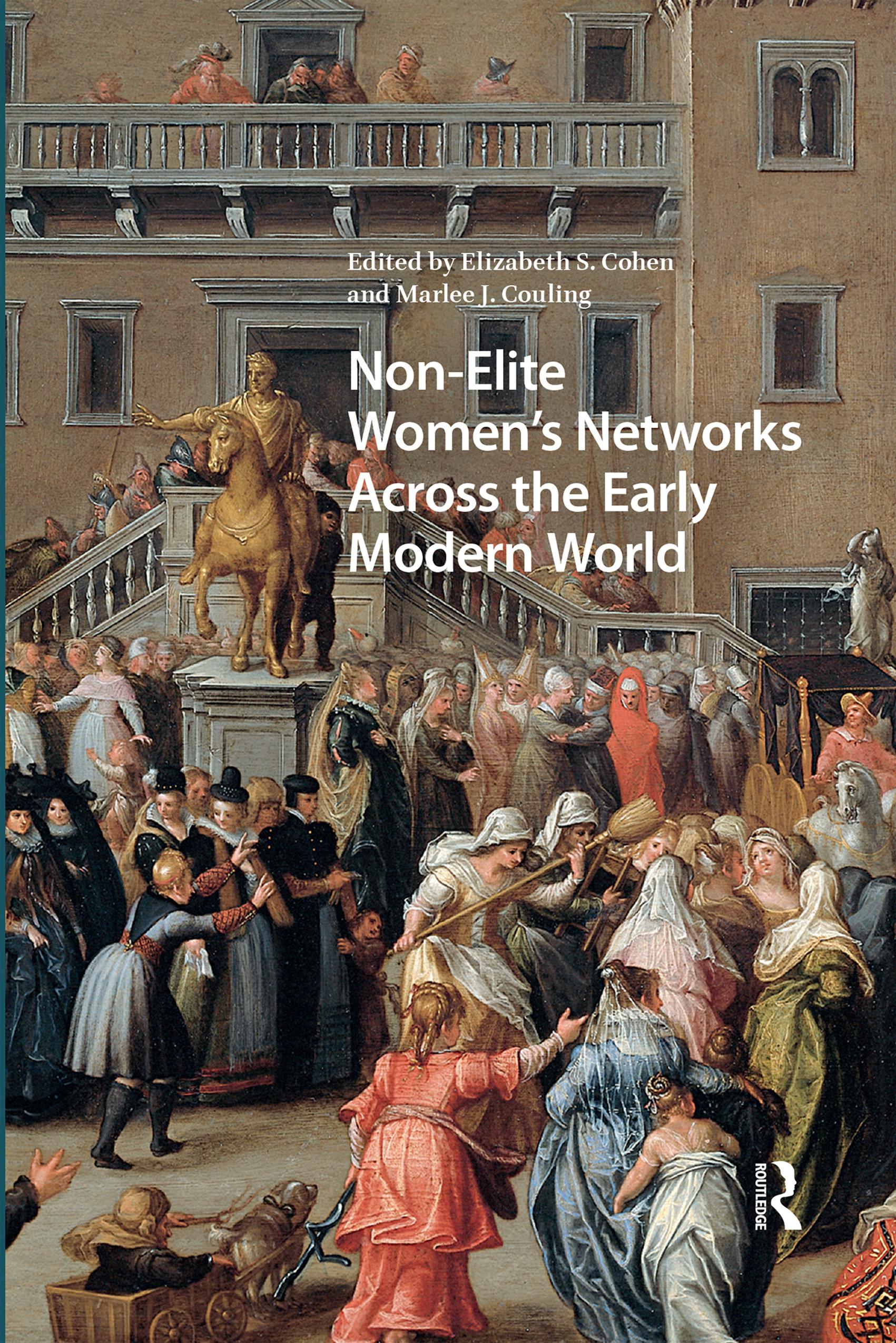
Non-elite or marginalized early modern women—among them the poor, migrants, members of religious or ethnic minorities, abused or abandoned wives, servants, and sex workers—have seldom left records of their experiences. Drawing on a variety of sources, including trial records, administrative paperwork, letters, pamphlets, hagiography, and picaresque literature, this volume explores how, as social agents, these doubly invisible women built and used networks and informal alliances to supplement the usual structures of family and community that often let them down. Ten essays, ranging widely in geography from the eastern Mediterranean to colonial Spanish America and in time from the sixteenth to the eighteenth centuries, show how flexible, sometimes ad hoc relationships could provide crucial practical and emotional support for women who faced problems of livelihood, reputation, displacement, and violence.
Pay easily by card, Klarna, Apple Pay or Google Pay. Not happy? You always have a 14-day money-back guarantee. Read more in our terms. If you have any questions, email us at hello@memmo.org.
Memmo makes studying easier – wherever you are in the world. We bring your course books and smart study tools together in one place: summaries, quizzes, podcasts and flashcards. Plus Ted, your study buddy who answers anything you wonder. Over 50,000 students already study here – built to help you learn faster and stress less.
You might also like
Buy the book0