
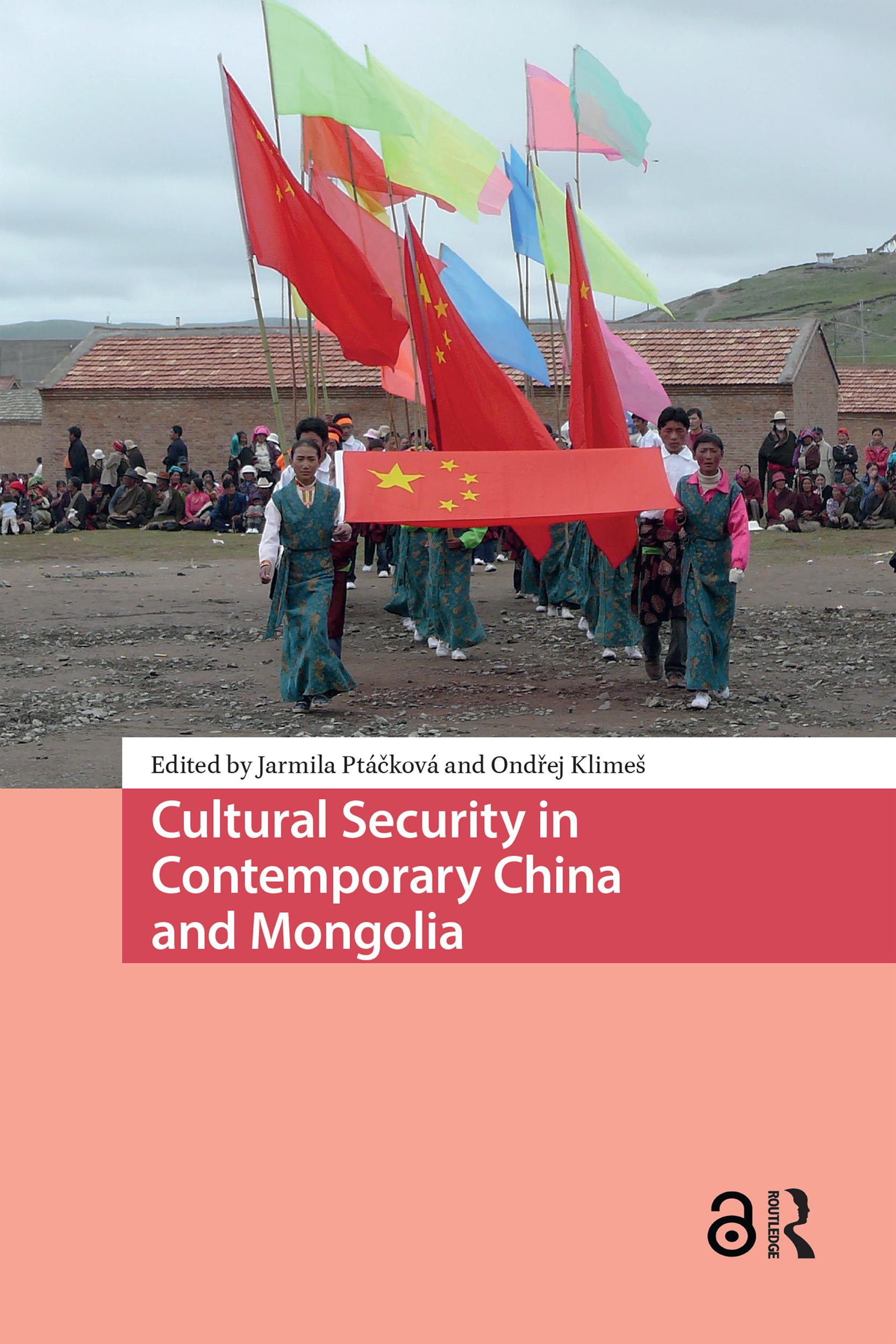
Cultural Security in Contemporary China and Mongolia applies the term “cultural security” not exclusively to state- or institution-implemented processes, but also considers the indigenous, bottom-up, and inside-out mechanisms of establishing and maintaining communal cultural security of an ethnic group. Markers of cultural identity differ according to an inside and outside perspective and can be re-defined according to inner or outer circumstances. Importance of these markers increases when a community feels endangered in their cultural existence, or diminishes when perceived cultural identity is not questioned. The dynamics shaping cultural security are illustrated in examples of ethnic communities in the People’s Republic of China and in Mongolia.
Pay easily by card, Klarna, Apple Pay or Google Pay. Not happy? You always have a 14-day money-back guarantee. Read more in our terms. If you have any questions, email us at hello@memmo.org.
Memmo makes studying easier – wherever you are in the world. We bring your course books and smart study tools together in one place: summaries, quizzes, podcasts and flashcards. Plus Ted, your study buddy who answers anything you wonder. Over 50,000 students already study here – built to help you learn faster and stress less.