
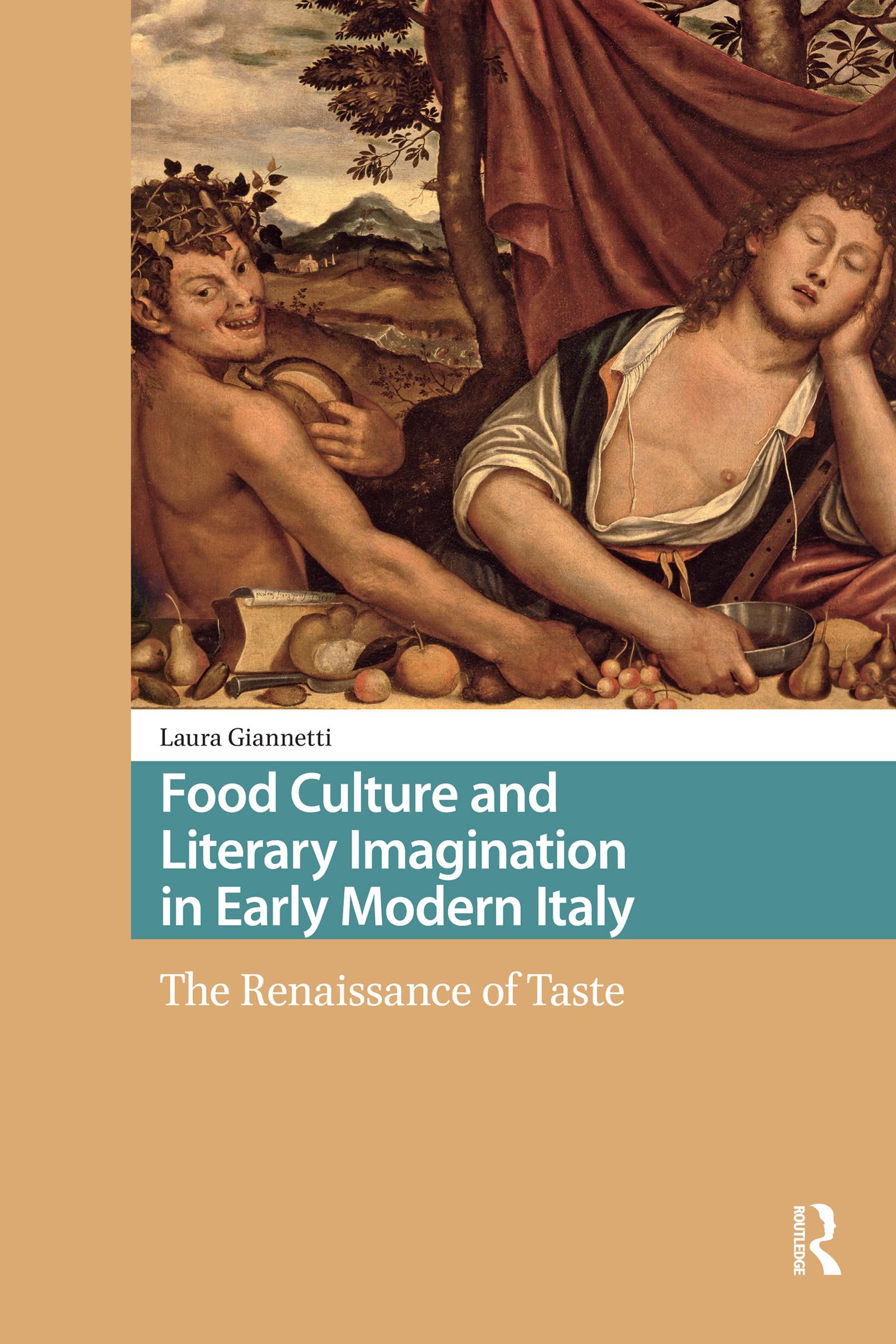
As the long sixteenth century came to a close, new positive ideas of gusto/ taste opened a rich counter vision of food and taste where material practice, sensory perceptions and imagination contended with traditional social values, morality, and dietetic/medical discourse. Exploring the complex and evocative ways the early modern Italian culture of food was imagined in the literature of the time, Food Culture and the Literary Imagination in Early Modern Italy reveals that while a moral and disciplinary vision tried to control the discourse on food and eating in medical and dietetic treatises of the sixteenth century and prescriptive literature, a wide range of literary works contributed to a revolution in eating and taste. In the process long held visions of food and eating, as related to social order and hierarchy, medicine, sexuality and gender, religion and morality, pleasure and the senses, were questioned, tested and overturned, and eating and its pleasures would never be the same.
Pay easily by card, Klarna, Apple Pay or Google Pay. Not happy? You always have a 14-day money-back guarantee. Read more in our terms. If you have any questions, email us at hello@memmo.org.
Memmo makes studying easier – wherever you are in the world. We bring your course books and smart study tools together in one place: summaries, quizzes, podcasts and flashcards. Plus Ted, your study buddy who answers anything you wonder. Over 50,000 students already study here – built to help you learn faster and stress less.