
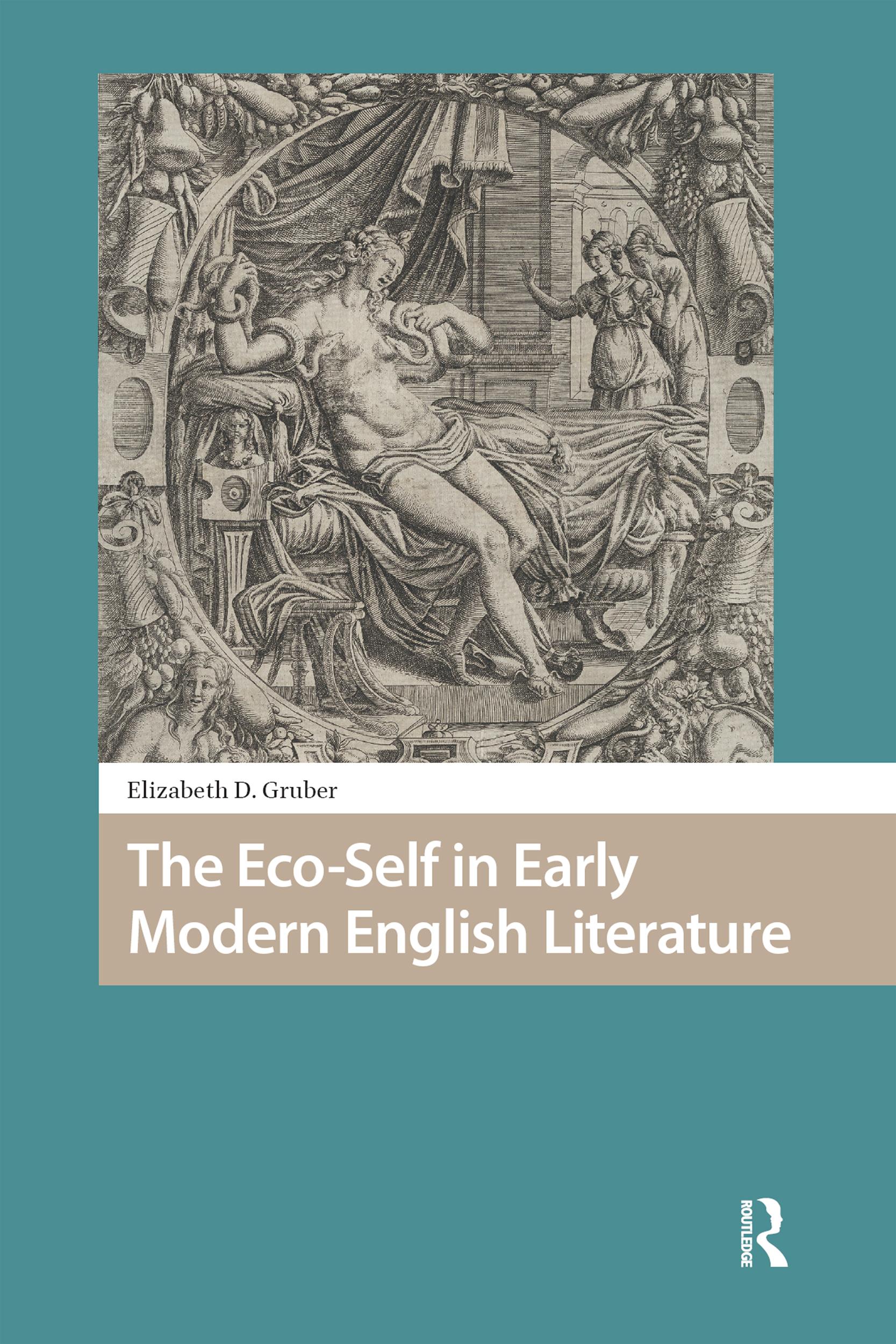
The Eco-Self in Early Modern English Literature tracks an important shift in early modern conceptions of selfhood, arguing that the period hosted the birth of a new subset of the human, the eco-self, which melds a deeply introspective turn with an abiding sense of humans’ embedment in the world. A confluence of cultural factors produced the relevant changes. Of paramount significance was the rapid spread of literacy in England and across Europe: reading transformed the relationship between self and world, retooled moral reasoning, and even altered human anatomy. This book pursues the salutary possibilities, including the ecological benefits, of this redesigned self by advancing fresh readings of texts by William Shakespeare, Christopher Marlowe, John Webster, and Margaret Cavendish. The eco-self offers certain refinements to ecological theory by renewing appreciation for the rational, deliberative functions that distinguish humans from other species.
Pay easily by card, Klarna, Apple Pay or Google Pay. Not happy? You always have a 14-day money-back guarantee. Read more in our terms. If you have any questions, email us at hello@memmo.org.
Memmo makes studying easier – wherever you are in the world. We bring your course books and smart study tools together in one place: summaries, quizzes, podcasts and flashcards. Plus Ted, your study buddy who answers anything you wonder. Over 50,000 students already study here – built to help you learn faster and stress less.
You might also like
Buy the book0