
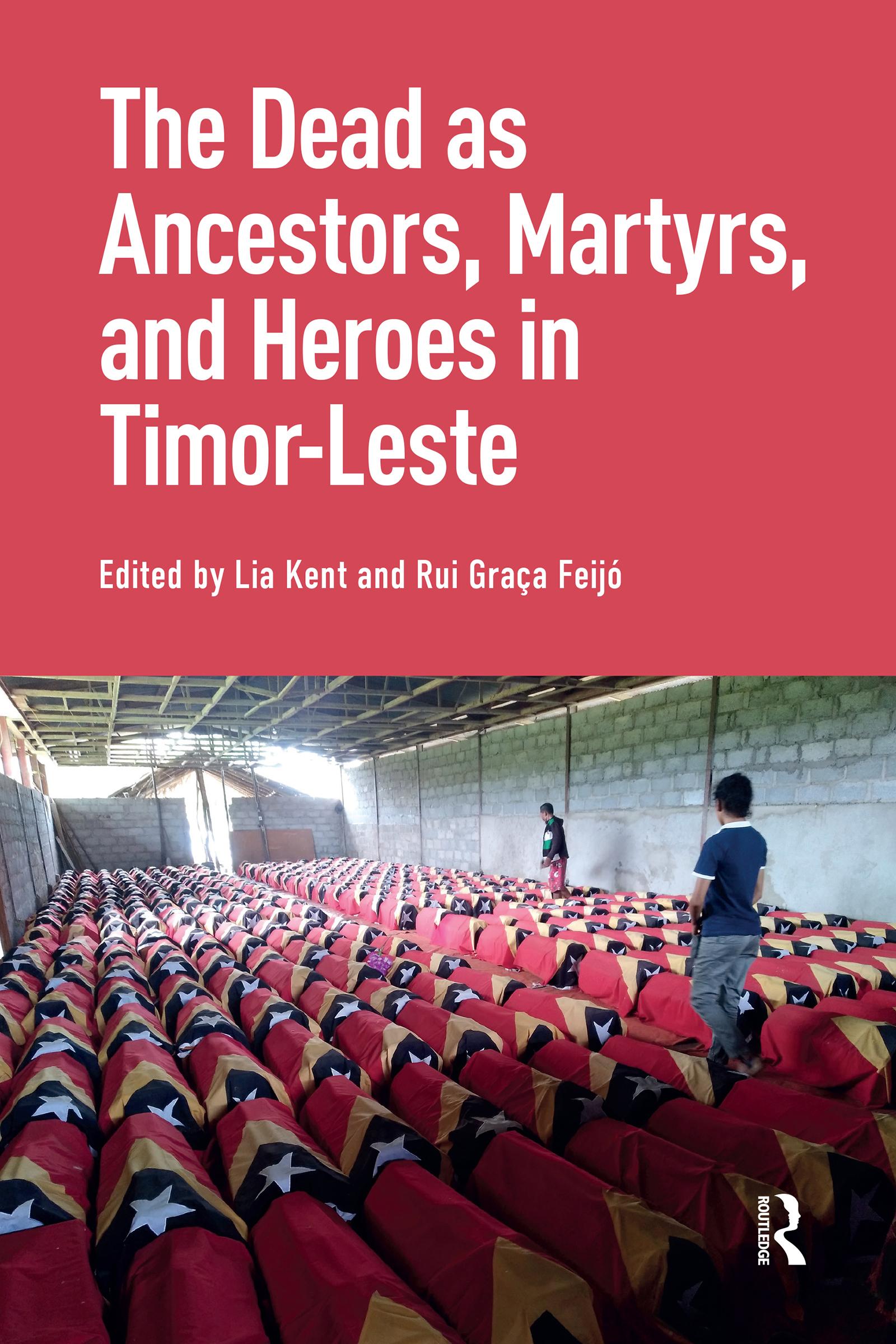
During the 24-year Indonesian occupation of East Timor, thousands of people died, or were killed, in circumstances that did not allow the required death rituals to be performed. Since the nation's independence, families and communities have invested considerable time, effort and resources in fulfilling their obligations to the dead. These obligations are imbued with urgency because the dead are ascribed agency and can play a benevolent or malevolent role in the lives of the living. These grassroots initiatives run, sometimes critically, in parallel with official programs that seek to transform particular dead bodies into public symbols of heroism, sacrifice and nationhood. The Dead as Ancestors, Martyrs, and Heroes in Timor-Leste focuses on the dynamic interplay between the potent presence of the dead in everyday life and their symbolic usefulness to the state. It underlines how the dead shape relationships amongst families, communities and the nation-state, and open an important window into — are in fact pivotal to — processes of state and nation formation...
Pay easily by card, Klarna, Apple Pay or Google Pay. Not happy? You always have a 14-day money-back guarantee. Read more in our terms. If you have any questions, email us at hello@memmo.org.
Memmo makes studying easier – wherever you are in the world. We bring your course books and smart study tools together in one place: summaries, quizzes, podcasts and flashcards. Plus Ted, your study buddy who answers anything you wonder. Over 50,000 students already study here – built to help you learn faster and stress less.