
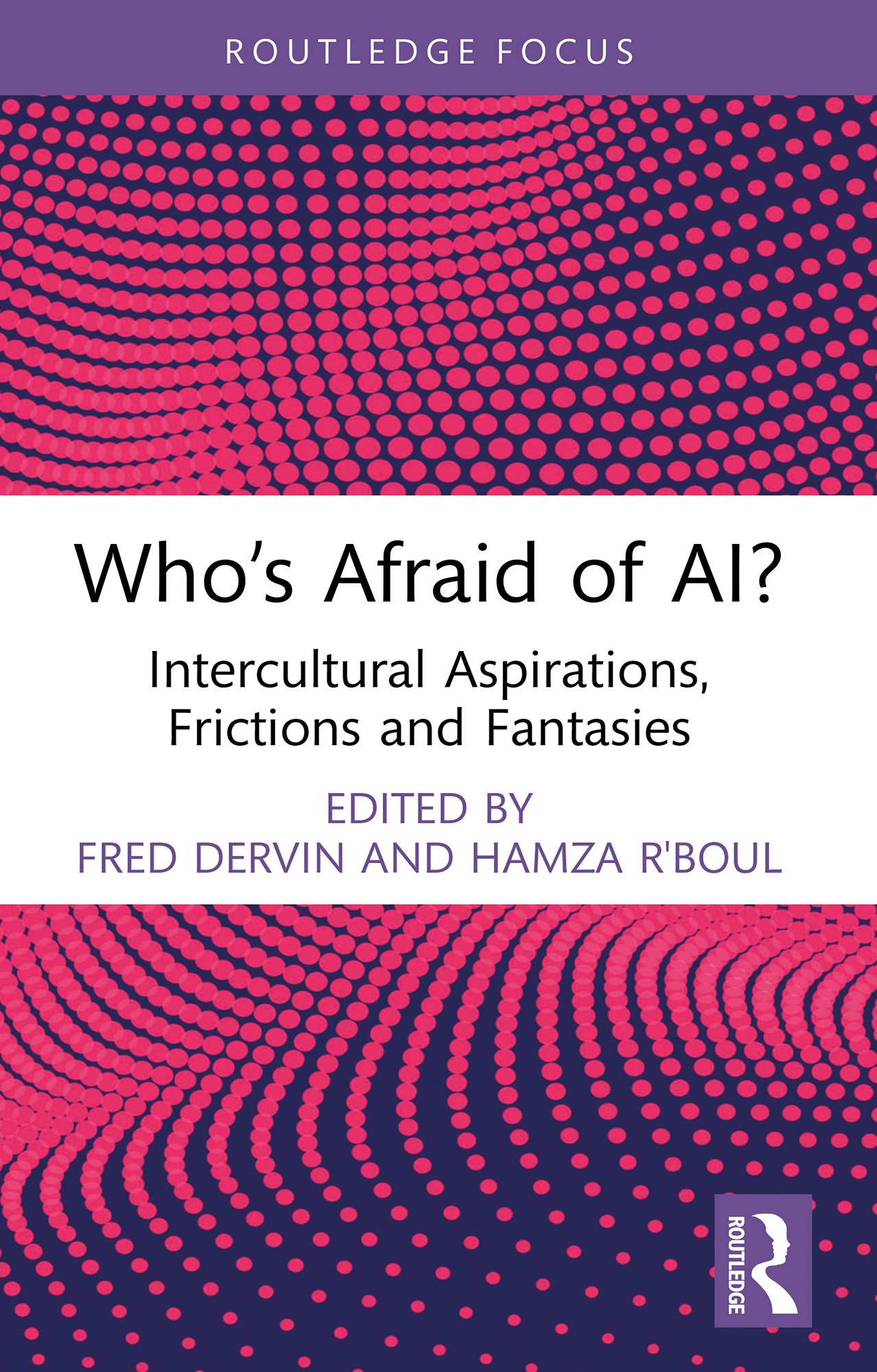
This timely edited volume challenges the potentially simplistic blame narratives surrounding artificial intelligence (AI), urging instead a shared ethical responsibility among users, researchers, policymakers, and others.
Rejecting the notion of AI as an autonomous 'evil', the book interrogates how human choices embedded in power structures, colonial legacies, and ideological frameworks can shape AI's impact on intercultural relations. Through decolonial critiques, dialogic experiments, and perspectives from the Global South, the contributors expose algorithmic biases, epistemic injustices, and governance gaps, while advocating for collective agency. From African Ubuntu ethics to Moroccan linguistic and cultural equity, and the political economy of creative industries, the book portrays AI as a mirror of human complexities and contradictions rather than a scapegoat.
A vital resource for students and scholars of intercultural communication education and research, this book calls for reflexive engagement with AI, emphasising co-accountability over unfounded dread.
Pay easily by card, Klarna, Apple Pay or Google Pay. Not happy? You always have a 14-day money-back guarantee. Read more in our terms. If you have any questions, email us at hello@memmo.org.
Memmo makes studying easier – wherever you are in the world. We bring your course books and smart study tools together in one place: summaries, quizzes, podcasts and flashcards. Plus Ted, your study buddy who answers anything you wonder. Over 50,000 students already study here – built to help you learn faster and stress less.