
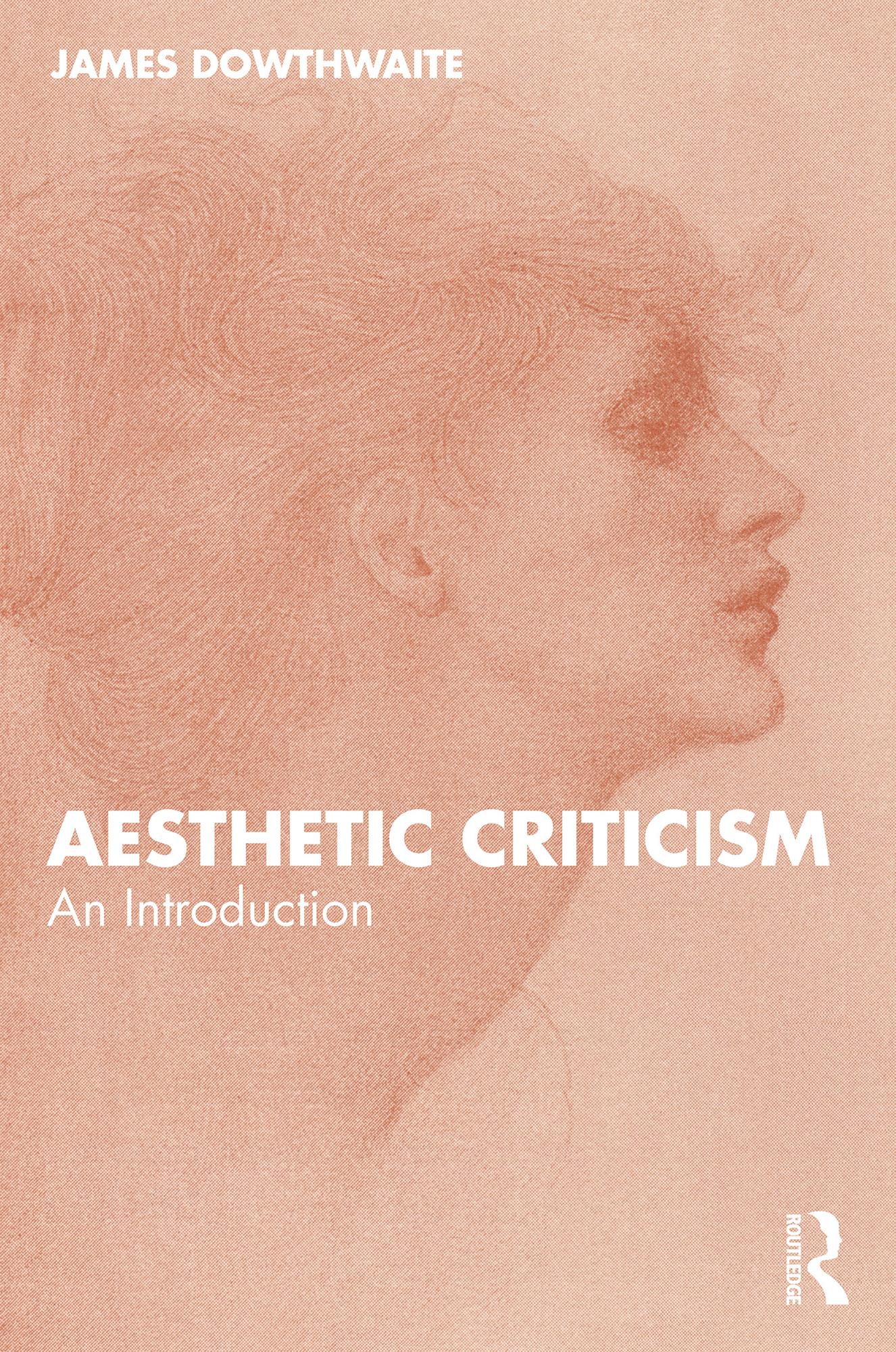
Aesthetic criticism has suffered a poor reputation over the last 120 years. Often dismissing it in the form of caricature, a wave of the hand at ‘mere aestheticism’ with its apparent dogma of ‘art for art’s sake’, we rarely take it seriously as an approach to the arts today, and lose sight of its importance in its own time. This book, however, offers an account of aesthetic criticism as a far more rigorous approach to art, literature, and philosophy than is often thought. By considering the principles of aesthetic criticism on their own terms, this book provides a revised understanding of what the approach was, and what it might offer us today. In four chapters, it provides an account of the main areas of concern of aesthetic criticism: the appreciation of form and sensuality, the negotiation between artworks and their contexts, the question of artistic value, and the uneasy relationship between aesthetics and metaphysics. These are some of the central concerns in all forms of criticism, and by returning to the critical work of Walter Pater, Vernon Lee, Oscar Wilde, or Arthur Symons – to name some examples – we can find crucial tools with which to approach them.
Pay easily by card, Klarna, Apple Pay or Google Pay. Not happy? You always have a 14-day money-back guarantee. Read more in our terms. If you have any questions, email us at hello@memmo.org.
Memmo makes studying easier – wherever you are in the world. We bring your course books and smart study tools together in one place: summaries, quizzes, podcasts and flashcards. Plus Ted, your study buddy who answers anything you wonder. Over 50,000 students already study here – built to help you learn faster and stress less.