
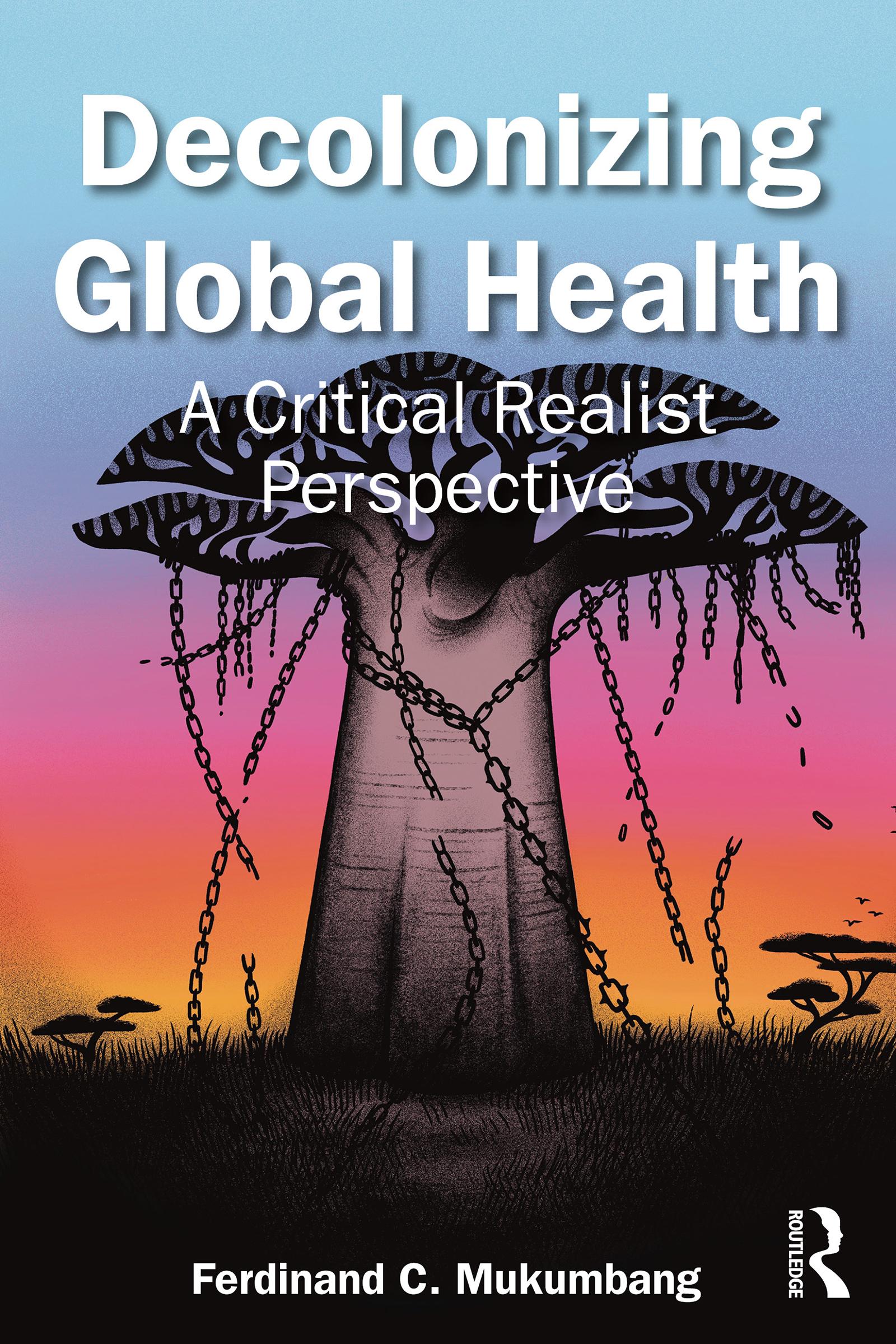
This insightful work uses a critical realist perspective to unpack the colonially informed culture, structures, and mechanisms which exist across global health institutions, offering a vision for radical change through a process of decolonization.
Shedding light on the institutional structures that perpetuate and sustain long-standing power imbalances in global health research and practice, post-colonial critical realism provides a cogent, meta-theoretical basis for understanding colonialism and decolonization. It reveals these structures as social constructions rather than naturally occurring phenomena. In astutely examining a range of factors, from the language of global health to the principles and practice of research in this field, the book identifies not only the role that colonialism continues to play, but also the means by which it can be subverted.
Written by a prominent author in this important field of study, this book will be key reading for students and scholars from public health to medicine, as well as philosophy, anthropology, and development studies.
Pay easily by card, Klarna, Apple Pay or Google Pay. Not happy? You always have a 14-day money-back guarantee. Read more in our terms. If you have any questions, email us at hello@memmo.org.
Memmo makes studying easier – wherever you are in the world. We bring your course books and smart study tools together in one place: summaries, quizzes, podcasts and flashcards. Plus Ted, your study buddy who answers anything you wonder. Over 50,000 students already study here – built to help you learn faster and stress less.