
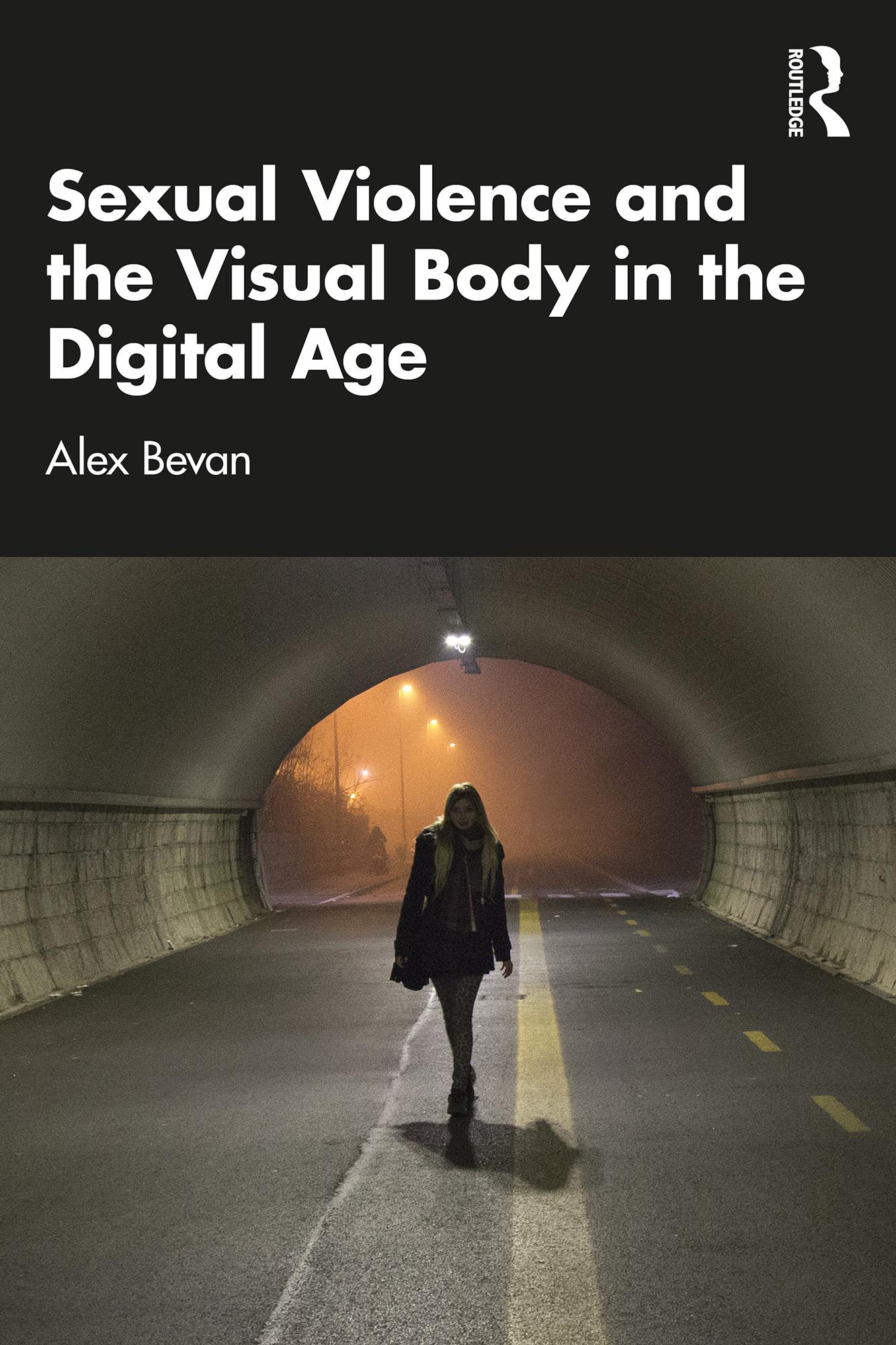
Why do representations of rape tend to look the same? Why do they frequently feature themes of media technology and surveillance? This book traces the role of surveillance technology in film and television depictions of rape in the 2000s. It shows how the stranger rape narrative is popularly used as a sense-making tool for the entanglement of the body, digital technology, and institutions of power. These films and television series interrogate the digital management of self-representation. In a cultural context defined by digitally galvanized feminist movements, a growing awareness of online gender violence, and a global movement aimed at shuttering these discussions, this book is even more pressing if we are to make sense of the relationship between offline and online forms of gender violence and the evolving cultural meaning of the rape narrative.
Pay easily by card, Klarna, Apple Pay or Google Pay. Not happy? You always have a 14-day money-back guarantee. Read more in our terms. If you have any questions, email us at hello@memmo.org.
Memmo makes studying easier – wherever you are in the world. We bring your course books and smart study tools together in one place: summaries, quizzes, podcasts and flashcards. Plus Ted, your study buddy who answers anything you wonder. Over 50,000 students already study here – built to help you learn faster and stress less.