
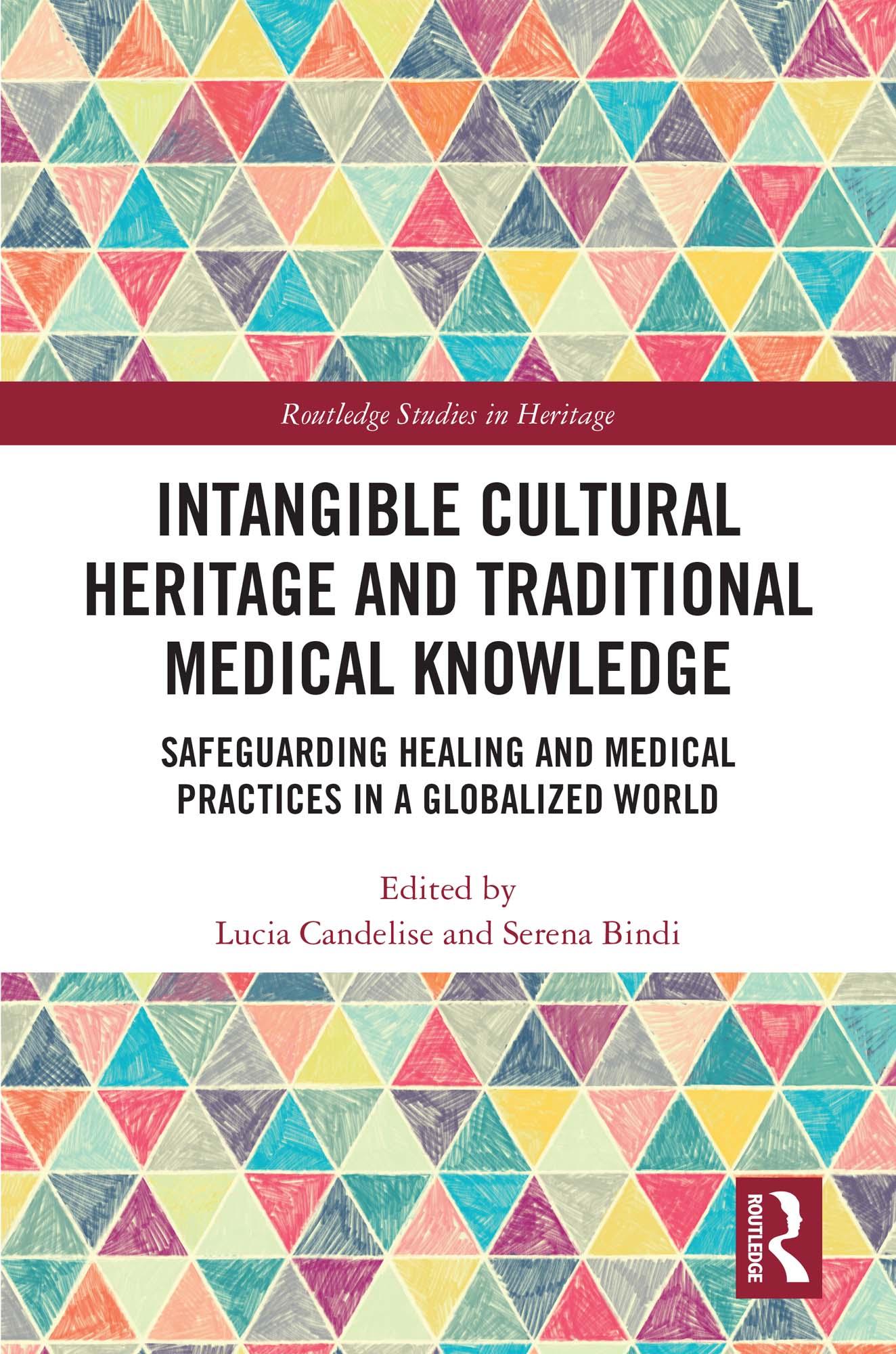
This compelling volume addresses key issues at the critical intersection of intangible cultural heritage and traditional medical practices, highlighting the urgent need for their preservation in an increasingly globalized world.
The chapters within this book explore key themes such as the paradox of authenticity versus rationalization in traditional healing, the political implications of heritage-making in diverse contexts — from India and China to Mexico and Chile — and the role of local communities in asserting their medical knowledge as part of their cultural identity. Contributions from experts in anthropology, political science, law, and history provide a rich, multidisciplinary perspective on how these practices are integrated into contemporary heritage processes. By examining case studies that illustrate both the challenges and successes of safeguarding traditional medical knowledge, this book offers original insights into the evolving concept of intangible cultural heritage. It emphasizes the significance of these practices in fostering cultural resilience and identity, making it a vital addition to the discourse on heritage studies and global health. This work not only enriches our understanding of traditional medical practices but also advocates for their recognition and protection in a rapidly changing world.
This book serves as an essential resource for scholars, practitioners, and policymakers interested in the dynamics of intangible cultural heritage and traditional medical practices.
Pay easily by card, Klarna, Apple Pay or Google Pay. Not happy? You always have a 14-day money-back guarantee. Read more in our terms. If you have any questions, email us at hello@memmo.org.
Memmo makes studying easier – wherever you are in the world. We bring your course books and smart study tools together in one place: summaries, quizzes, podcasts and flashcards. Plus Ted, your study buddy who answers anything you wonder. Over 50,000 students already study here – built to help you learn faster and stress less.