
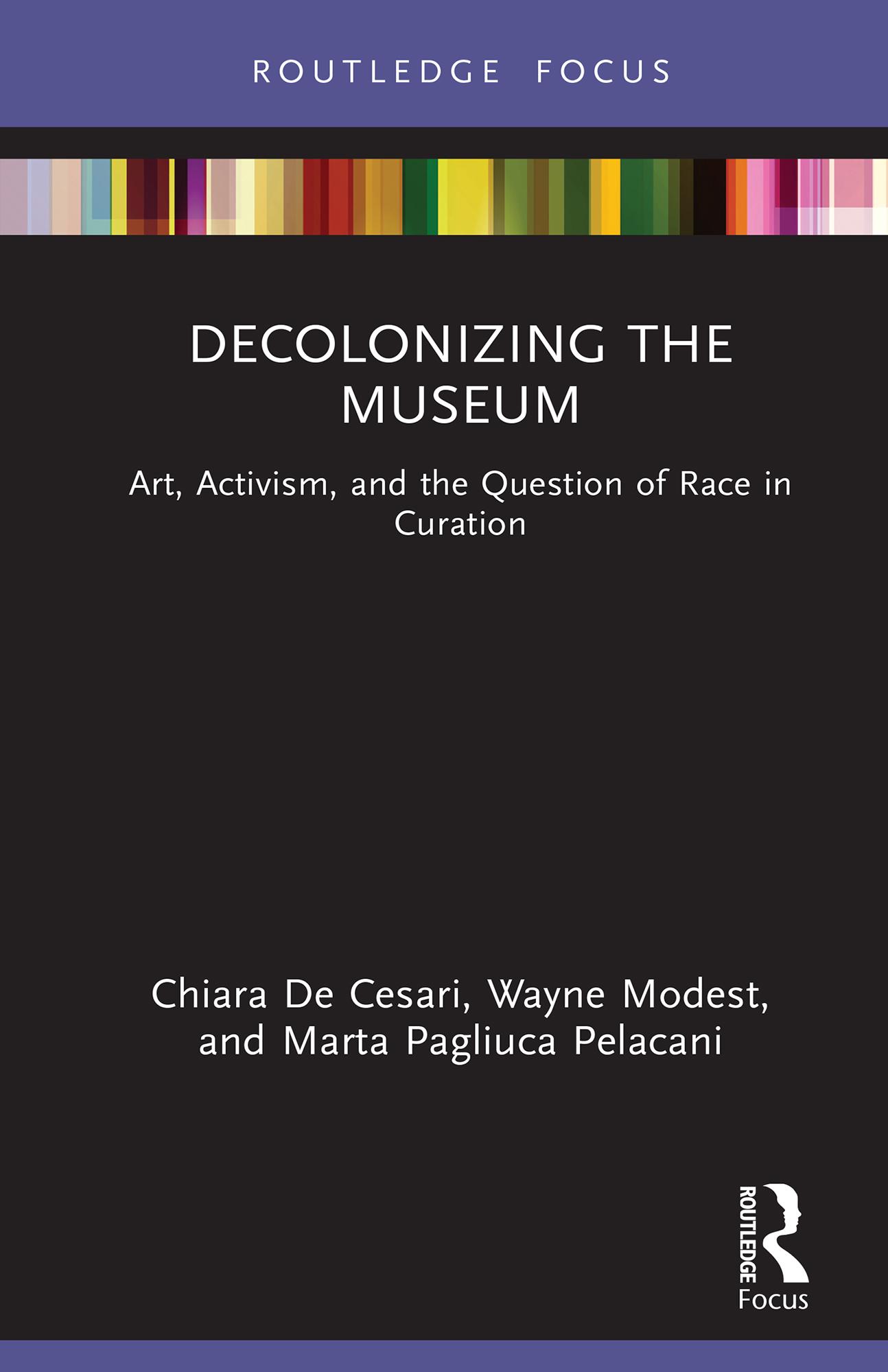
This book asks what it means to decolonize museums in theory and practice. It explores recent calls by activists and artists for social change in and through museums and how museums have responded to these calls and interventions.
The point of departure for this volume is the burgeoning global debates around racism that have compelled many museums and public institutions to confront their complicity in colonialism, both past and present. Building on interviews with curators, cultural practitioners, activists, and artists, as well as the authors' ongoing involvement with movements aimed at decolonizing museums, this volume explores how anti-racist activism and artivism have transformed museums, as well as the broader social and political significance of these transformations. The book focuses on the practices, approaches, and strategies that are being adopted in efforts to decolonize museums and cultural institutions, where they succeed and fail, and the similarities and differences between these initiatives. It discusses specific exhibitions and whether they represent colonialism as a past phenomenon or as enduring racial logics forcefully shaping the present. It analyzes both mainstream European museums and grassroots, museum-like initiatives that aim to reckon with colonialism and race in different contexts. Core to the argument is the issue of how memory, heritage, and museum studies, the disciplines that explore, explain, and staff museums, have engaged or not with race.
Decolonizing the Museum will be valuable for those studying or researching in the fields of museum studies, heritage, memory and art studies, decolonial theory, postcolonialism, race and racism, and cultural politics. Providing an important window into the political role of curators and the politics of race in transforming museums, it will also be beneficial to museum practitioners and activists and artists with a stake in these institutions.
Pay easily by card, Klarna, Apple Pay or Google Pay. Not happy? You always have a 14-day money-back guarantee. Read more in our terms. If you have any questions, email us at hello@memmo.org.
Memmo makes studying easier – wherever you are in the world. We bring your course books and smart study tools together in one place: summaries, quizzes, podcasts and flashcards. Plus Ted, your study buddy who answers anything you wonder. Over 50,000 students already study here – built to help you learn faster and stress less.