
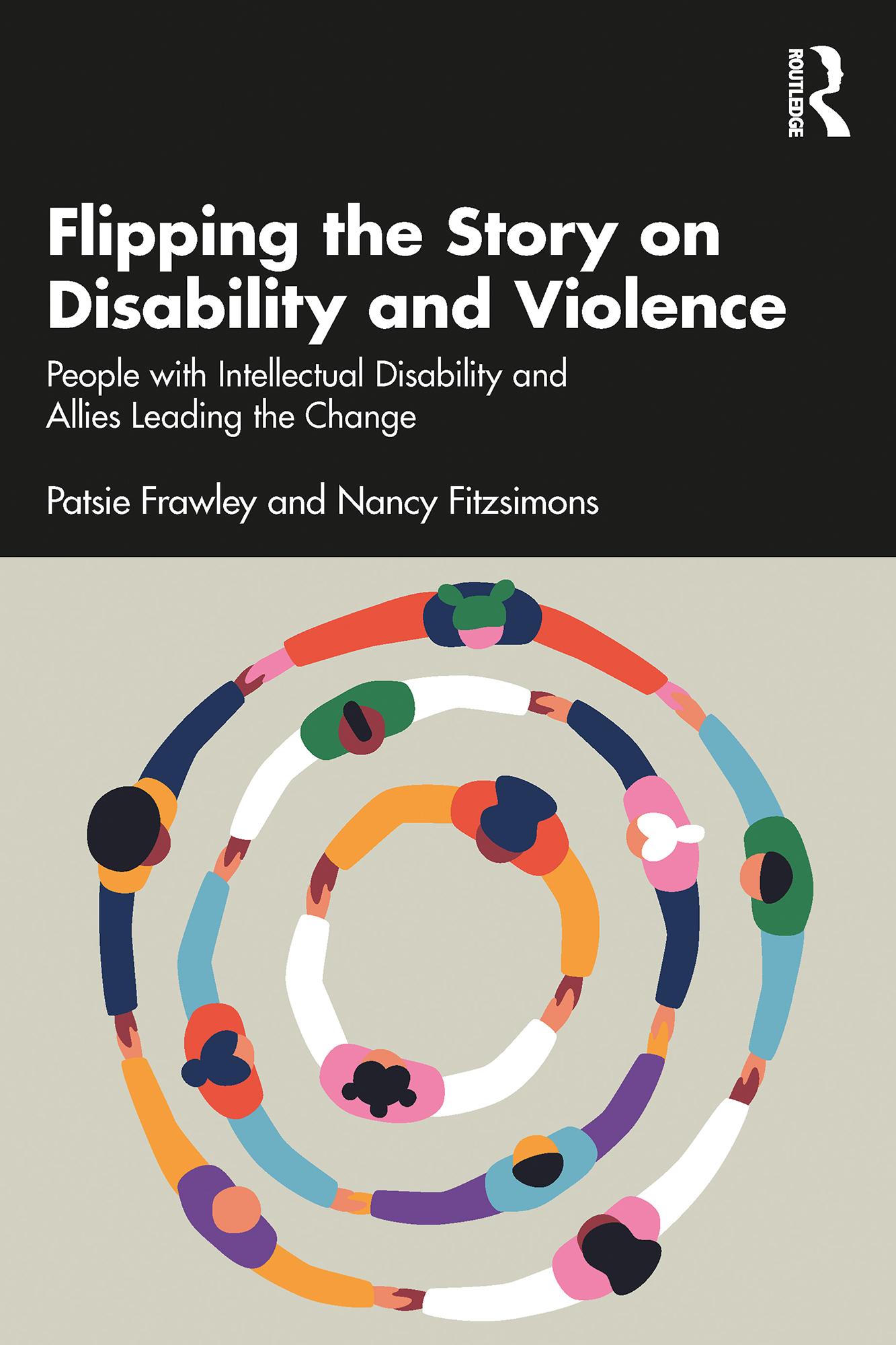
Internationally there is a growing awareness that domestic, family, and sexual violence is a social issue that results from social structures and relational contexts that have positioned women as ‘less than’ men. Alongside this growing awareness has come social action by women and their allies that aim to change these social and relational structures using an intersectional framing of oppression.
People with disabilities, especially people with an intellectual disability, have been largely excluded from this social action. However, for decades they have been challenging the oppressive social and relational structures that frame them as ‘of less value’ than ‘non-disabled’ people. Aligned with this self-advocacy are social ecological models that look systemically to understand why interpersonal violence occurs and to prevent violence. This book introduces a unique ‘flipped’ social ecological model and applies it to approaches from across the world that are working from the societal, community, relationship, and individual levels to challenge the ‘vulnerable victim’ discourse through positioning people with intellectual and other disabilities as social change agents shaping their safer lives.
Divided into six chapters and providing case-examples from Australia, the United States, New Zealand, the United Kingdom, Norway, Sweden, and the Global South, this book profiles work done by government and community-based anti-violence service sectors in partnership with people with intellectual disability and their allies, as well as work on sexuality rights and disability advocacy that is contributing to the social effort to prevent interpersonal violence against people with an intellectual disability.
It is a must-read resource for anyone doing interpersonal violence prevention research and work and can be used as primary or supplemental reading for students doing coursework and research in disability studies, gender studies, community psychology, sociology, public health, and social work.
Pay easily by card, Klarna, Apple Pay or Google Pay. Not happy? You always have a 14-day money-back guarantee. Read more in our terms. If you have any questions, email us at hello@memmo.org.
Memmo makes studying easier – wherever you are in the world. We bring your course books and smart study tools together in one place: summaries, quizzes, podcasts and flashcards. Plus Ted, your study buddy who answers anything you wonder. Over 50,000 students already study here – built to help you learn faster and stress less.