
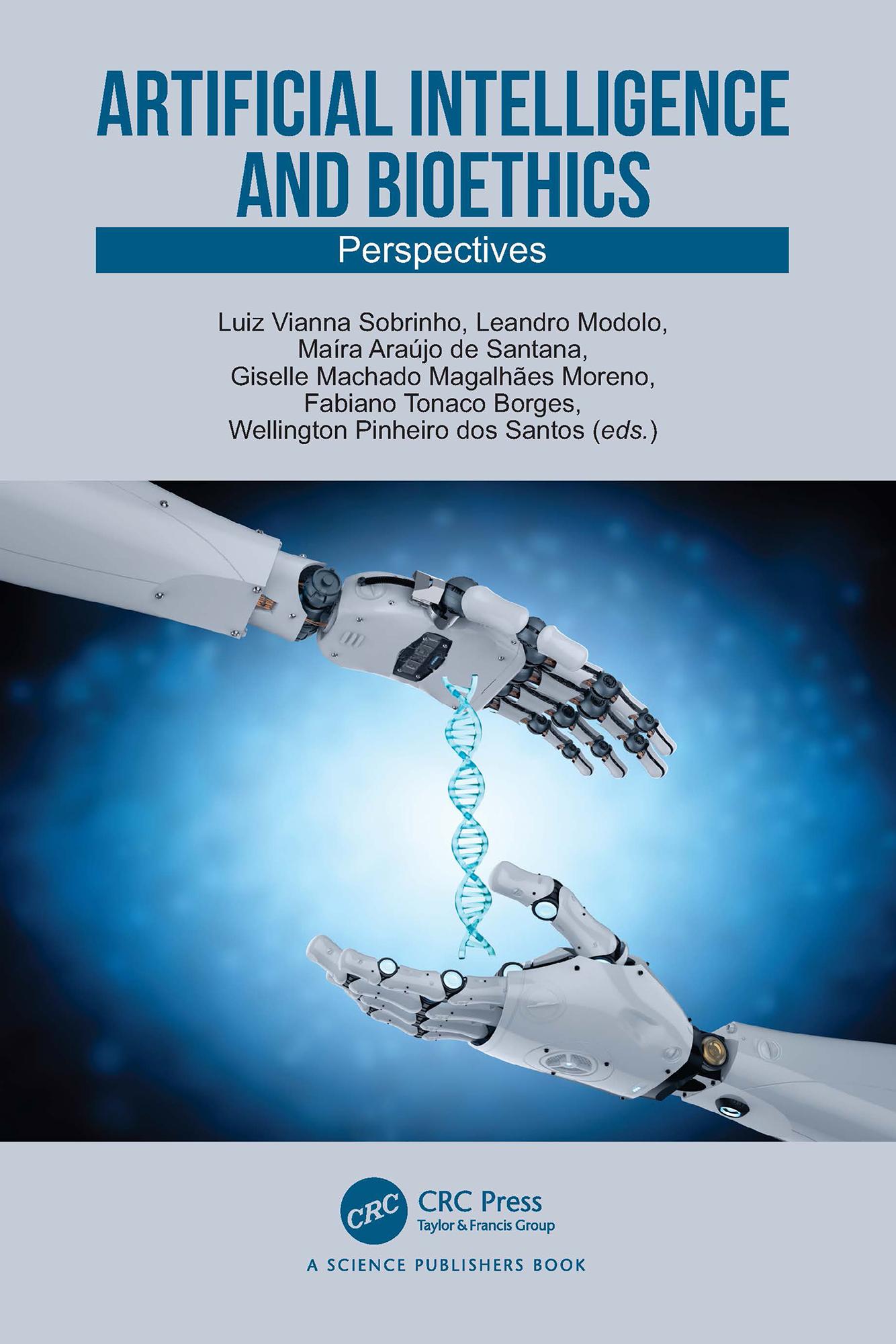
The fourth industrial revolution challenges humanity ethically and morally: mass unemployment, new forms of colonialism, and mass-and-granular surveillance are a few examples of these challenges. Nevertheless, the industrial revolutions have increased human productivity and quality of life. This book aims to review the ethical challenges related to the use of these technologies. It unfolds bioethical perspectives regarding Artificial Intelligence (AI) and its impact on life on earth. It discusses both northern and southern epistemologies of bioethics. Northern bioethics comprises principles of autonomy, beneficence, non-maleficence, and justice. Southern bioethics gives weightage to struggles for human liberation, social justice, and the pluralism of knowledge. The book discusses topics from aging to mass surveillance, to deliver a universal bioethical guideline to a wide range of professions that work with AI and are concerned about its impact on life. This book will not label AI, but broaden the readers' view of an ethical and explainable AI that works for life on earth.
Pay easily by card, Klarna, Apple Pay or Google Pay. Not happy? You always have a 14-day money-back guarantee. Read more in our terms. If you have any questions, email us at hello@memmo.org.
Memmo makes studying easier – wherever you are in the world. We bring your course books and smart study tools together in one place: summaries, quizzes, podcasts and flashcards. Plus Ted, your study buddy who answers anything you wonder. Over 50,000 students already study here – built to help you learn faster and stress less.