
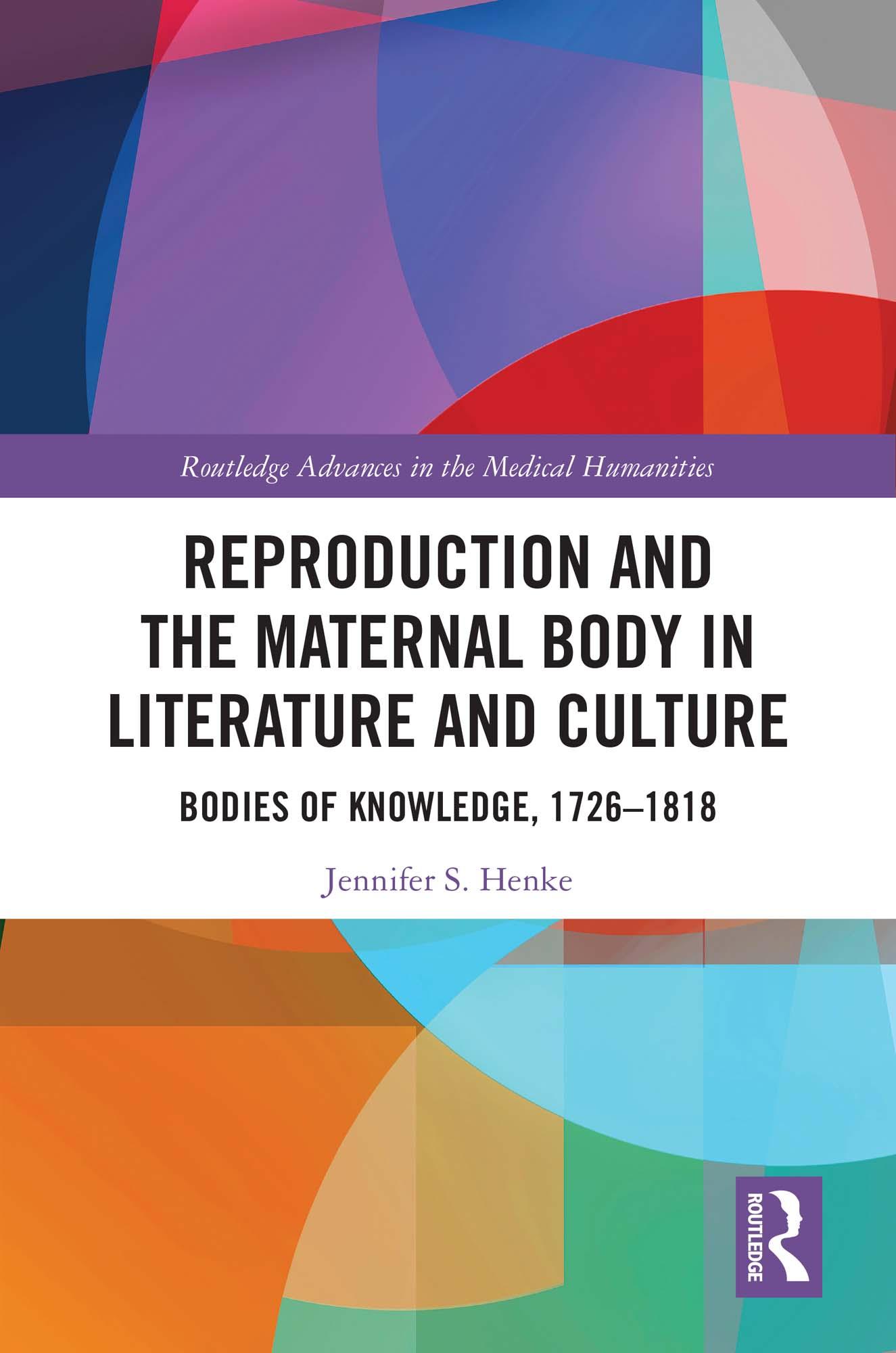
This book examines a selection of texts to discuss how midwifery, obstetrics and women’s bodies were constructed during the (long) eighteenth century, and how these material-discursive entanglements between science, medicine, literature and culture have shaped society's views of pregnancy, childbirth and reproduction.
Drawing on theories from disciplines such as feminist new materialism, this book traces the history of both the reproductive body and the pluralistic medical knowledges that attended to pregnancy and childbirth during the Enlightenment and early Romanticism in Britain. It identifies the significance of literary and cultural artefacts in this knowledge formation, including the materiality of the female reproductive body itself, and raises awareness of myths about pregnancy and childbirth that persist today. This book features chapters exploring Jonathan Swift’s Gulliver’s Travels, John Cleland’s Fanny Hill, Laurence Sterne’s Tristram Shandy, Eliza Fenwick’s Secresy, Or: The Ruin on the Rock, Mary Wollstonecraft’s Maria, Or: The Wrongs of Woman, and Mary Shelley’s Frankenstein.
Reproduction and the Maternal Body in Literature and Culture is an innovative and interdisciplinary contribution to the medical humanities and feminist philosophy of science and will interest scholars from a range of backgrounds, including literature and cultural studies, midwifery, medicine and history.
Pay easily by card, Klarna, Apple Pay or Google Pay. Not happy? You always have a 14-day money-back guarantee. Read more in our terms. If you have any questions, email us at hello@memmo.org.
Memmo makes studying easier – wherever you are in the world. We bring your course books and smart study tools together in one place: summaries, quizzes, podcasts and flashcards. Plus Ted, your study buddy who answers anything you wonder. Over 50,000 students already study here – built to help you learn faster and stress less.